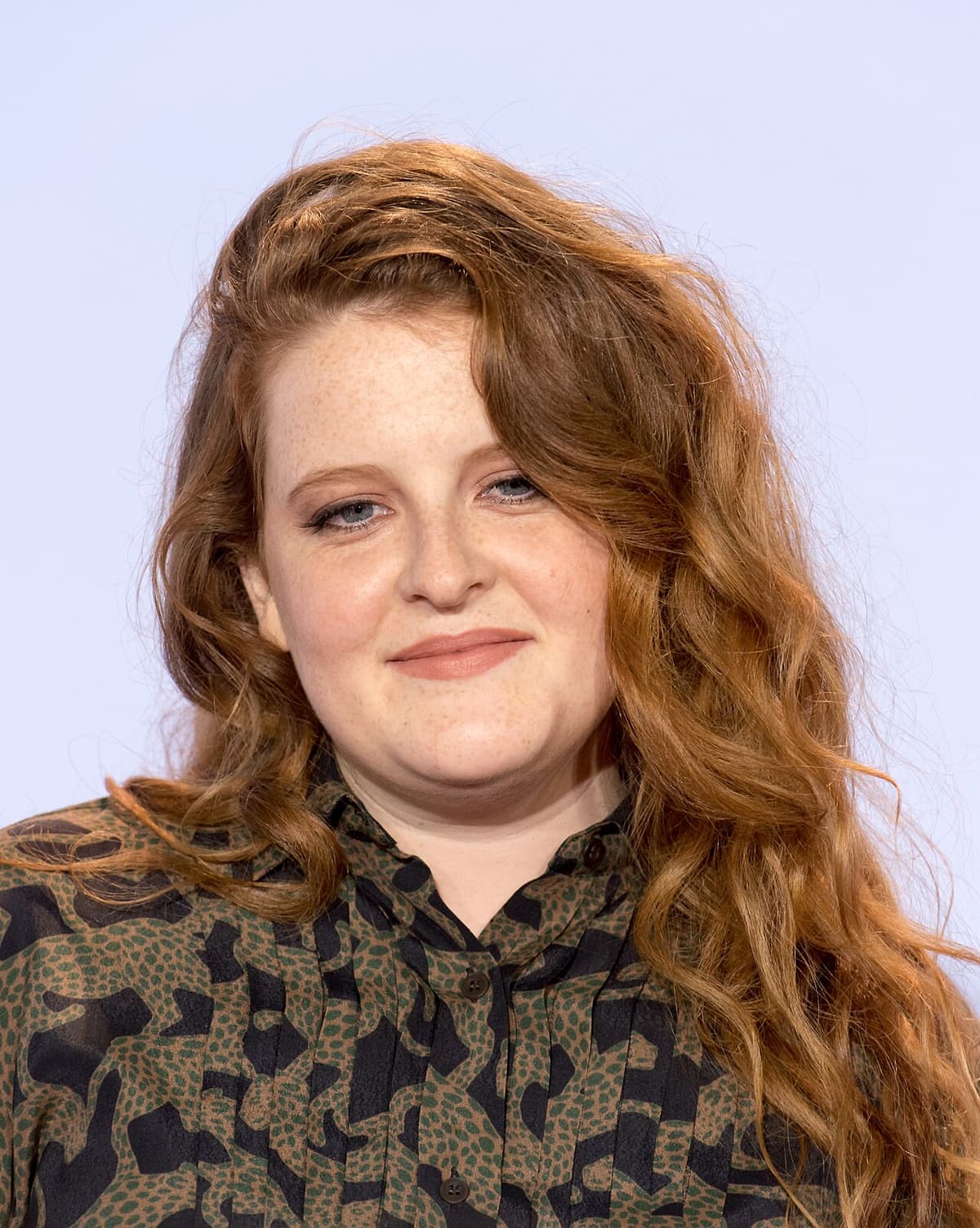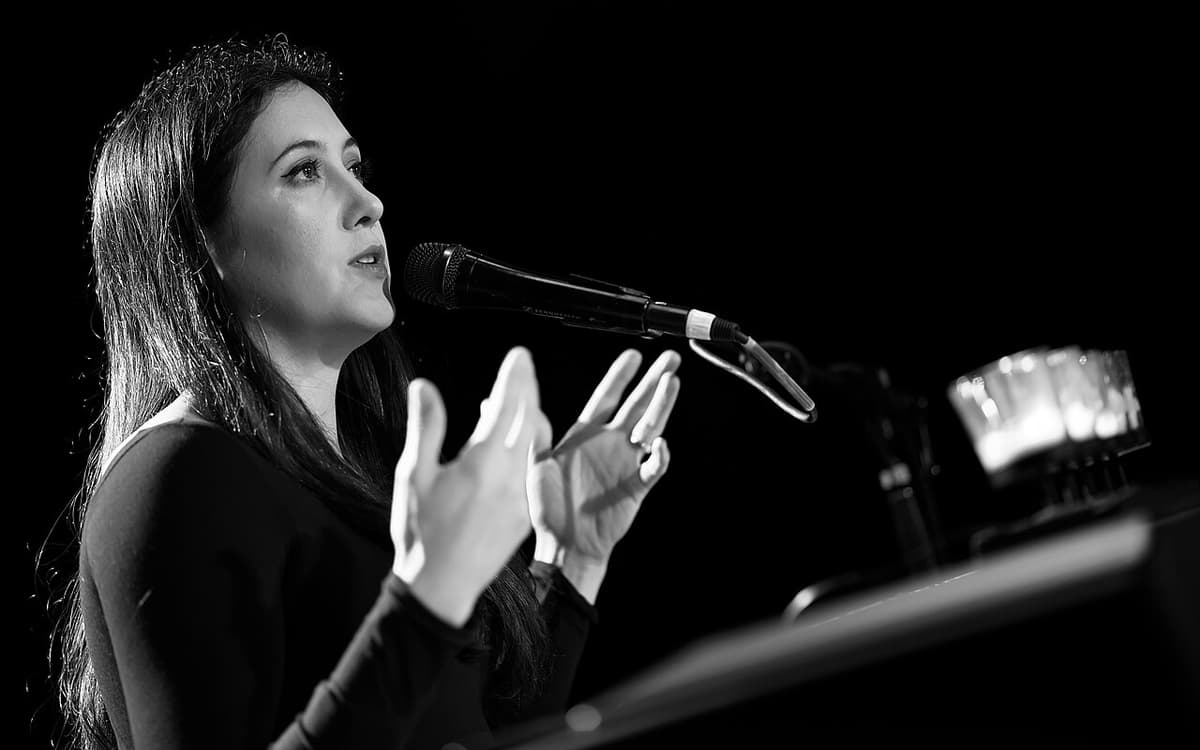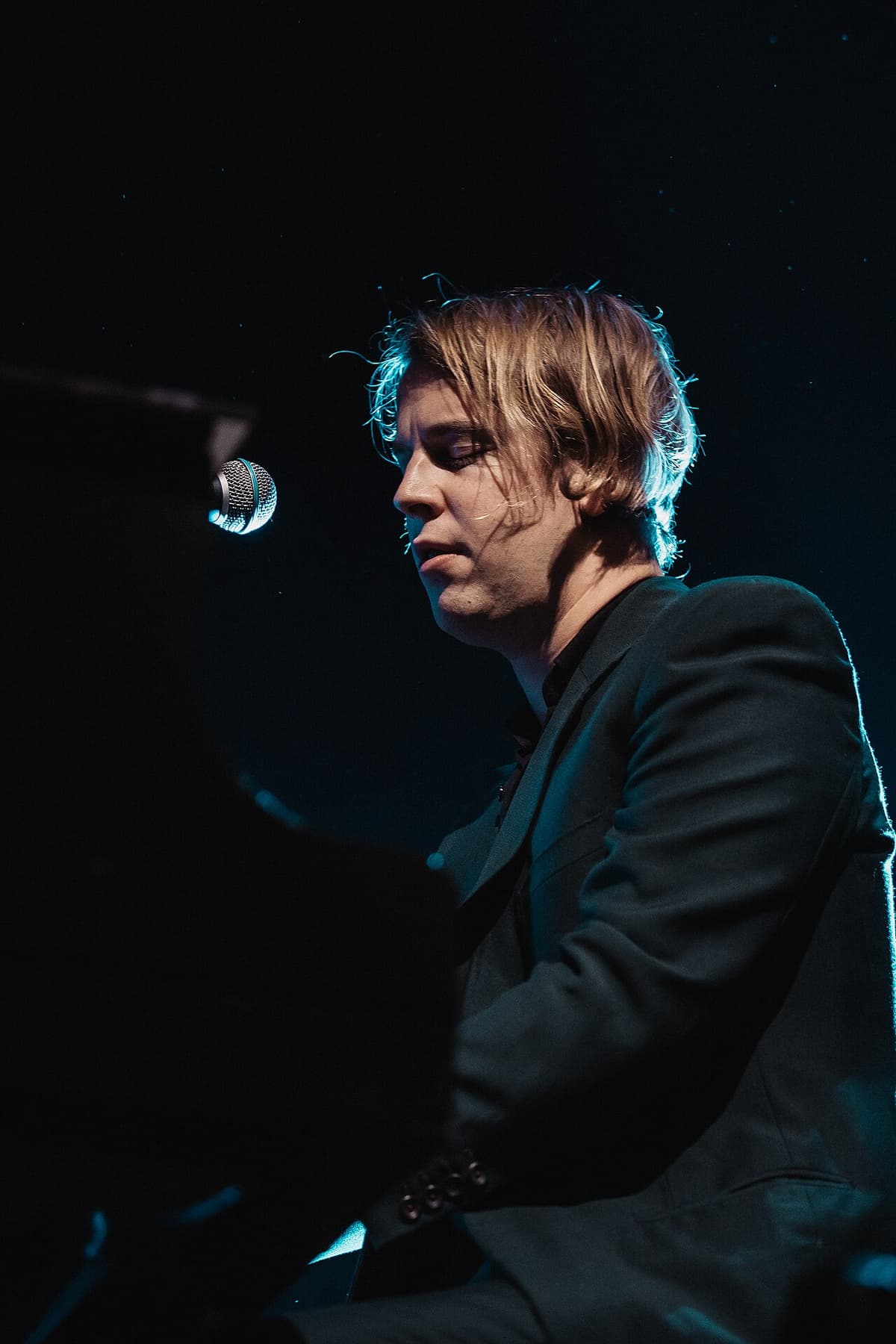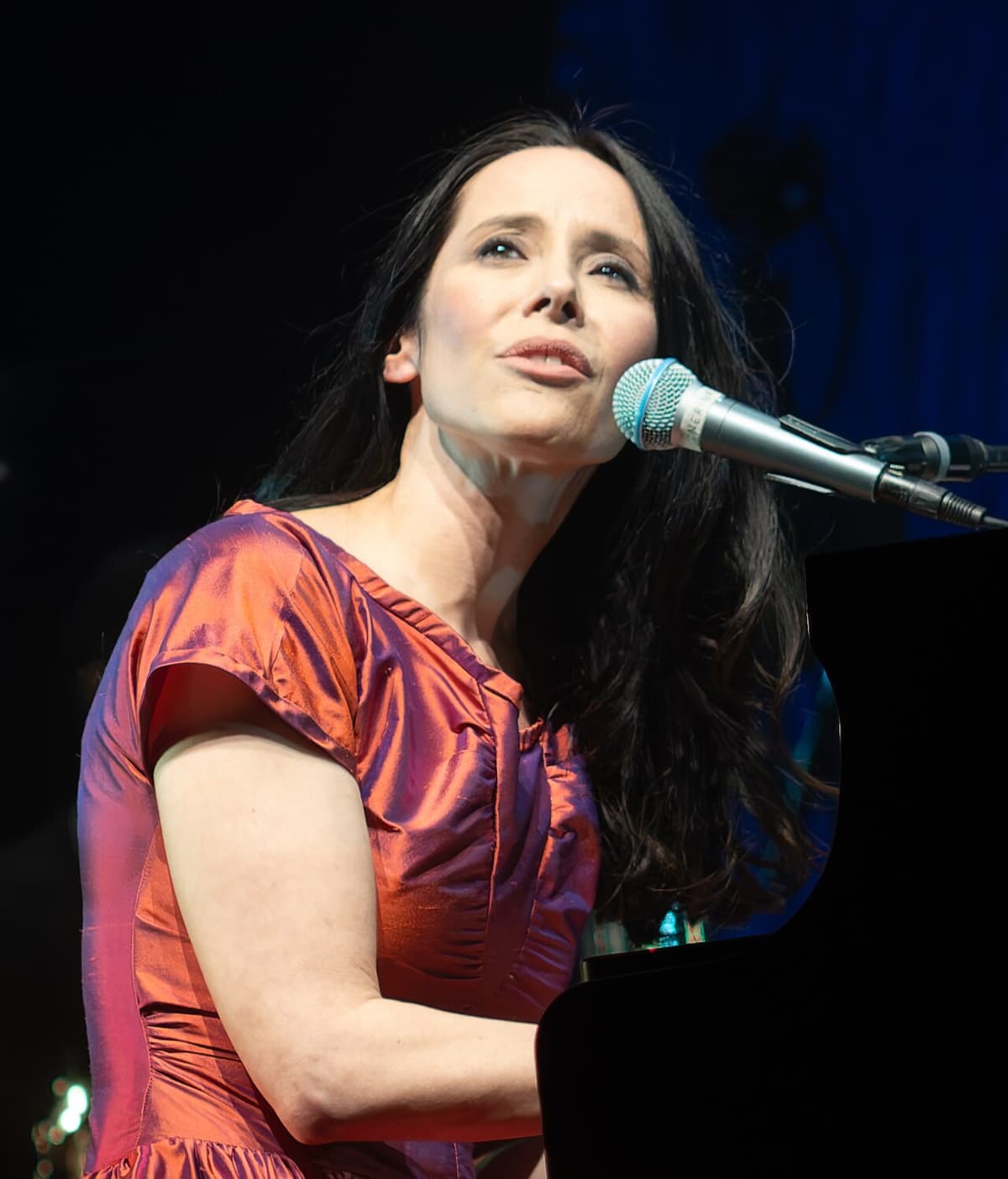
Nerina Pallot
Elegant piano-led pop with a literary heart. Sophisticated arrangements and breathy vocals for moments of quiet reflection and sharp emotional clarity.
Elegant piano-led pop with a literary heart. Sophisticated arrangements and breathy vocals for moments of quiet reflection and sharp emotional clarity.
Nerina Pallot creates music that feels like a well-loved leather-bound book: sophisticated, intimate, and deeply human. Her sound is anchored by her classical piano training, which provides a sturdy, melodic foundation for songs that range from sweeping orchestral pop to stripped-back acoustic confessions. There is a specific warmth to her production that avoids the coldness of modern digital pop, opting instead for organic textures and rich string arrangements.
What truly distinguishes Pallot is her lyrical intellect. Having studied English literature, she weaves a sense of narrative weight and poetic precision into her songwriting that is rare in the pop world. She manages to be both vulnerable and wryly observant, often commenting on the music industry or social dynamics with a sharp, clear-eyed perspective. Her voice, a versatile and breathy soprano, can shift from a delicate whisper to a powerful, resonant belt without losing its characteristic tenderness.
For those new to her catalog, the 2005 album 'Fires' is the essential starting point. It captures her at a creative peak, balancing radio-friendly hooks with the sophisticated chamber-pop sensibilities that have defined her career. It is the perfect introduction to an artist who treats pop music with the seriousness of a classical composer and the soul of a poet.
Nerina Natasha Georgina Pallot (born 26 April 1974) is a British singer-songwriter. She has released eight albums and over a dozen EPs. She was nominated for British Female Solo Artist at the 2007 BRIT Awards and nominated for an Ivor Novello Award for "Sophia" in the category of 'Best Song (musically and lyrically)' in the same year. Besides her own material, Pallot has written songs for Kylie Minogue and Diana Vickers. She mostly tours around the UK and is married to producer Andy Chatterley.
Cassette uses generative AI to enrich its catalog. How we use AI →