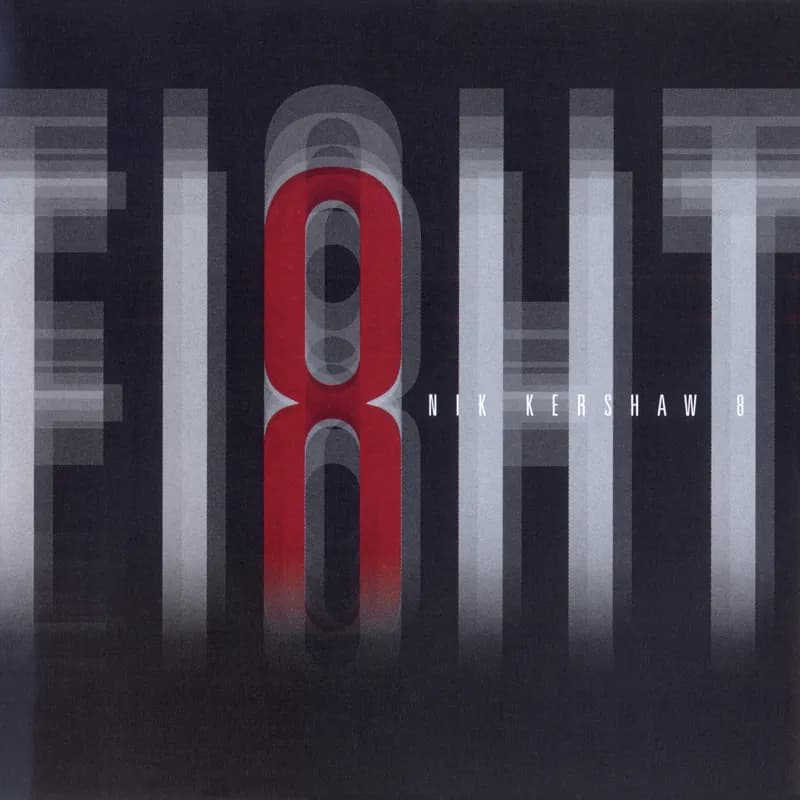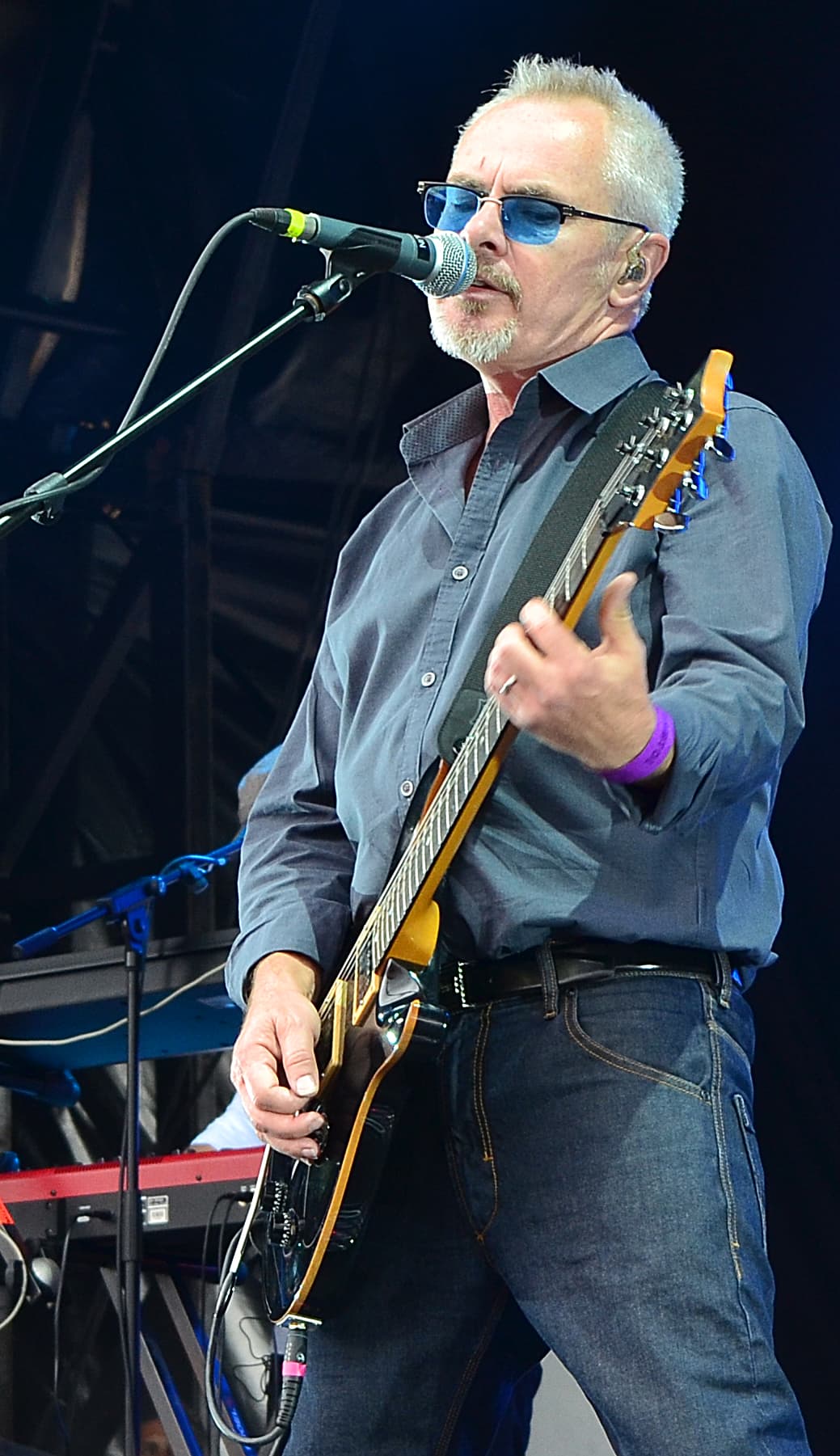
Nik Kershaw
Crystalline 80s synth-pop with a hidden jazz-funk heart. Intricately layered melodies and cryptic lyrics for those who like their pop smart and shimmering.
Crystalline 80s synth-pop with a hidden jazz-funk heart. Intricately layered melodies and cryptic lyrics for those who like their pop smart and shimmering.
Nik Kershaw emerged in 1984 as a dominant force in British pop, characterized by a sophisticated blend of synth-pop, new wave, and jazz-funk sensibilities. A highly skilled multi-instrumentalist, Kershaw's sound was defined by the use of cutting-edge digital synthesis (notably the Yamaha DX7) paired with intricate, often syncopated guitar work.
His career arc is marked by an initial explosion of chart dominance, where he spent more weeks on the UK singles chart in 1984-85 than any other solo artist. Despite his 'teen idol' status, he earned deep respect from peers like Elton John and Eric Clapton for his technical proficiency and songwriting depth. His work often explored social commentary and abstract, almost Dadaist lyrical themes. After his mid-80s peak, he transitioned into a highly successful songwriter for others, most notably penning 'The One and Only' for Chesney Hawkes. Critically, he is viewed as a 'musician's pop star,' someone who brought a high degree of music theory and technical complexity to the Top 40 format.
Shares synth-pop, new wave, art pop (subgenres); nostalgic, playful, energetic (moods)
Shares synth-pop, new wave, art pop (subgenres); digital_clarity, layered_dense, studio_polished (production style)
Shares synth-pop, new wave, art pop (subgenres); digital_clarity, layered_dense, studio_polished (production style)

Shares synth-pop, new wave, pop rock (subgenres); digital_clarity, layered_dense, studio_polished (production style)
Shares synth-pop, new wave, art pop (subgenres); digital_clarity, layered_dense, studio_polished (production style)

Shares synth-pop, new wave, pop rock (subgenres); digital_clarity, layered_dense, studio_polished (production style)
Shares digital_clarity, layered_dense, studio_polished (production style); gentle, breathy, harmonized (vocal style)
Cassette uses generative AI to enrich its catalog. How we use AI →