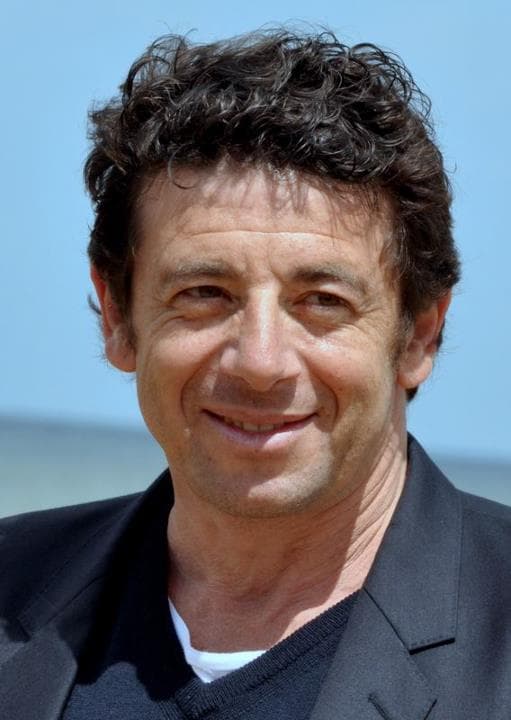
Nino de Angelo
Dramatic, synth-heavy German pop with an Italian soul. Heart-on-sleeve anthems for late-night reflection and big emotional releases.
Dramatic, synth-heavy German pop with an Italian soul. Heart-on-sleeve anthems for late-night reflection and big emotional releases.
Nino de Angelo occupies a unique space in the German musical landscape, bridging the gap between traditional Schlager sentimentality and the sophisticated synth-pop of the 1980s. His sound is defined by a massive, operatic vocal delivery that feels both vulnerable and indestructible. There is a persistent sense of drama in his arrangements, often featuring lush synthesizers, gated reverb drums, and sweeping melodic arcs that aim straight for the rafters.
What truly distinguishes him is the 'Italo-German' fusion: the precision and structure of German production meets the uninhibited emotionality of Italian canzone. While his peers might lean into cheerful escapism, Nino often explores darker, more existential themes. His music carries a weight of longing and a cinematic quality that makes even a simple pop song feel like the climax of a tragic film.
Start with the 1983 classic 'Jenseits von Eden' to hear the definitive blueprint of his sound. It captures that perfect moment where protest lyrics meet a melody so infectious it became a pan-European phenomenon. From there, explore his Eurovision entry 'Flieger' for a masterclass in late-80s high-gloss production.
Domenico Gerhard Gorgoglione (born 18 December 1963), known professionally as Nino de Angelo, is a German singer of Italian descent known for his 1983 chart-topper "Jenseits von Eden", and he has participated in the Eurovision Song Contest 1989 with the song "Flieger", written by Dieter Bohlen and Joachim Horn-Bernges. He has a minor hit in 1984 in the UK Singles Chart with "Guardian Angel". Originally the song was recorded in German and written by Drafi Deutscher. Titled "Jenseits von Eden", it remained number one for ten weeks on the German chart in 1983, while an Italian version was number one in France for five weeks. He collaborated with German band Mr. President, performing a song called "Olympic Dreams" from their "We See the Same Sun" album. He participated in Eurovision Song Contest in 1989 with the song "Flieger", performed 21st in the night and finished 14th with 46 points. German punk band Die Ärzte covered the song "Jenseits Von Eden" on their self-titled album, released in 1986.

Shares synth-pop, soft rock, traditional pop (subgenres); studio polished, reverb heavy, analog warmth (production style)

Shares traditional pop, soft rock, synth-pop (subgenres); dive bar, urban night, rainy day (atmosphere)
Shares traditional pop, soft rock (subgenres); analog warmth, studio polished, reverb heavy (production style)
Shares studio polished, reverb heavy, analog warmth (production style); soft rock, traditional pop, art pop (subgenres)

Shares studio polished, reverb heavy, analog warmth (production style); synth-pop, soft rock, traditional pop (subgenres)

Shares soft rock, traditional pop, art pop (subgenres); studio polished, analog warmth, orchestral arrangement (production style)
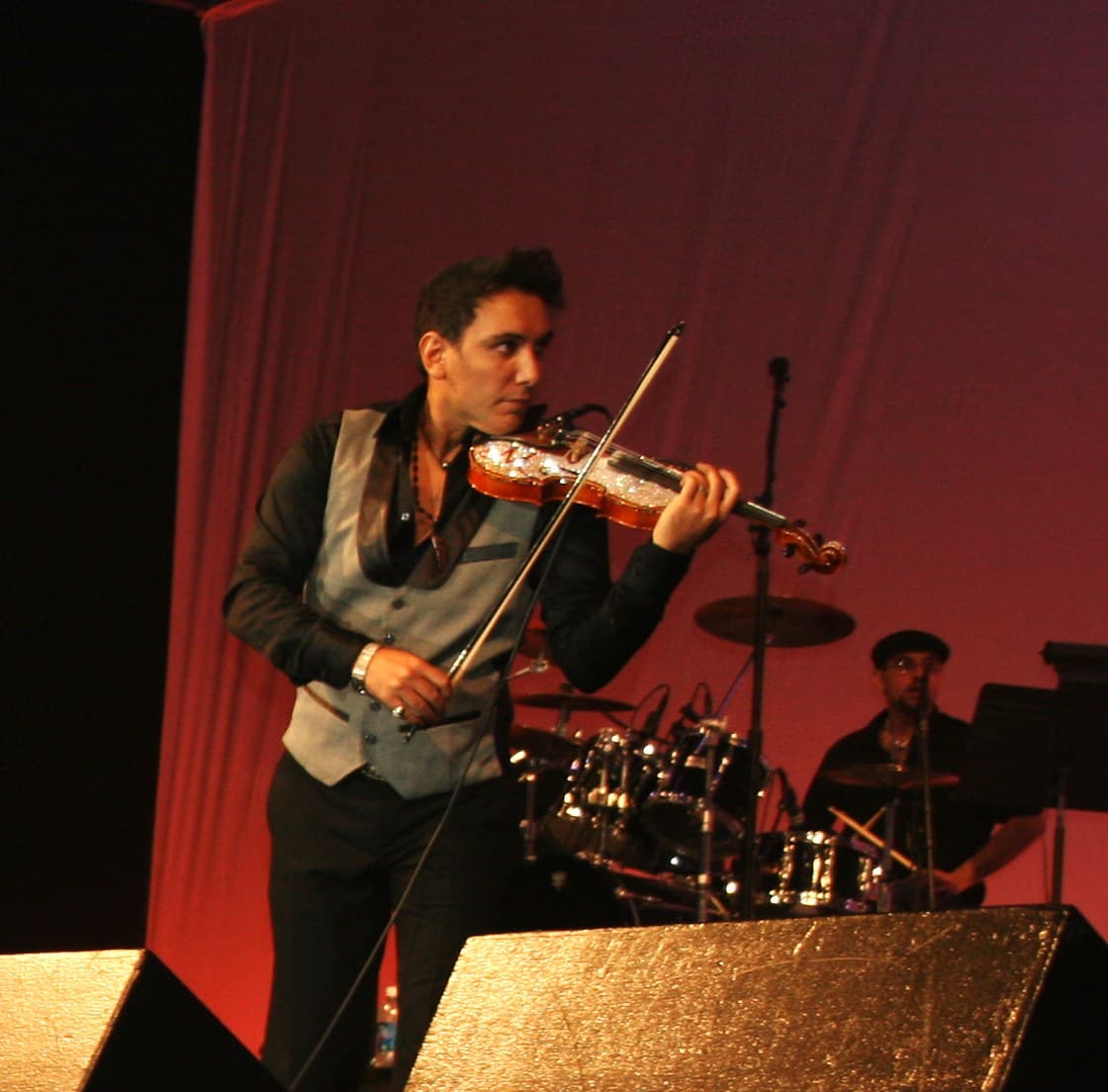
Shares synth-pop, soft rock, traditional pop (subgenres); studio polished, analog warmth, orchestral arrangement (production style)
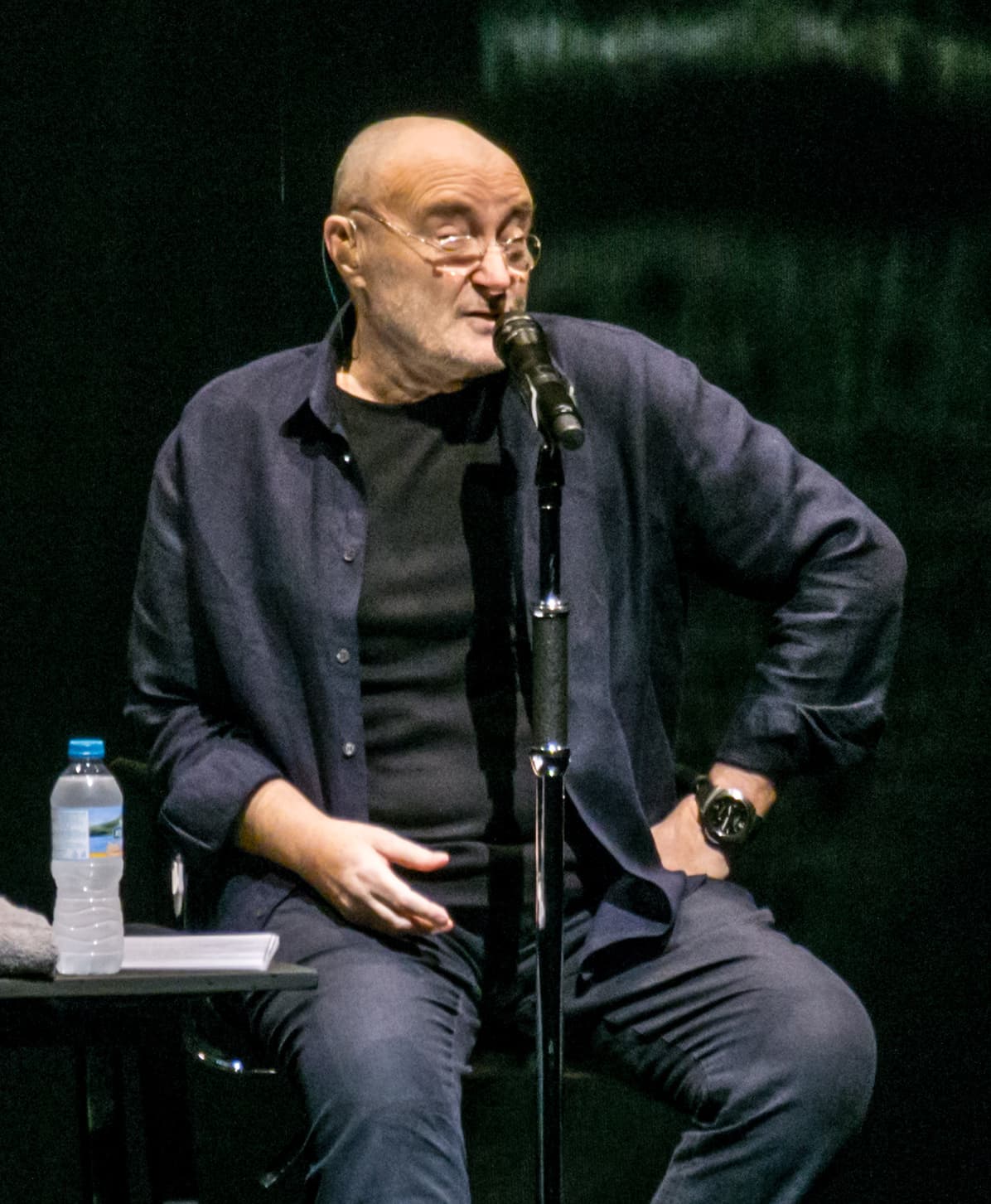
Shares urban night, rainy day, late night (atmosphere); studio polished, reverb heavy, analog warmth (production style)

Shares studio polished, reverb heavy, analog warmth (production style); soft rock, synth-pop (subgenres)
Shares traditional pop, soft rock, sentimental, art pop (signature)
Cassette uses generative AI to enrich its catalog. How we use AI →