Planks was a pivotal three-piece outfit from Mannheim, Germany, active primarily between 2007 and 2015. They emerged from the ashes of Hellström, carrying forward a dark, uncompromising vision of heavy music that bridged the gap between the European crust scene and the burgeoning global post-metal movement.
Their sound identity is defined by a 'blackened sludge' aesthetic: down-tuned, massive guitar tones, intricate yet punishing drumming, and a vocal delivery rooted in the raw intensity of hardcore punk. Throughout their career, particularly on landmark releases like 'The Darkest of Grays' and 'Funeral Mouth', they evolved from a more straightforward sludge/crust act into a sophisticated entity capable of long-form, atmospheric compositions. They occupied a specific cultural niche alongside bands like Masakari and Alpinist, representing a more intellectual, existentialist take on the 'dark hardcore' sound. Critically, they were lauded for their ability to maintain a sense of melody and atmosphere without sacrificing the abrasive, lo-fi grit essential to their roots. Their influence persists in the modern 'post-crust' and sludge scenes, where their blend of d-beat energy and doom-metal weight remains a benchmark for the genre.


Shares gritty, post-metal, sludge metal, doom metal (signature)
Shares post-metal, sludge metal, doom metal, somber (subgenre)
Shares feedback-drenched transitions, gritty, post-metal, sludge metal (detail)
Shares post-metal, sludge metal, doom metal, somber (subgenre)
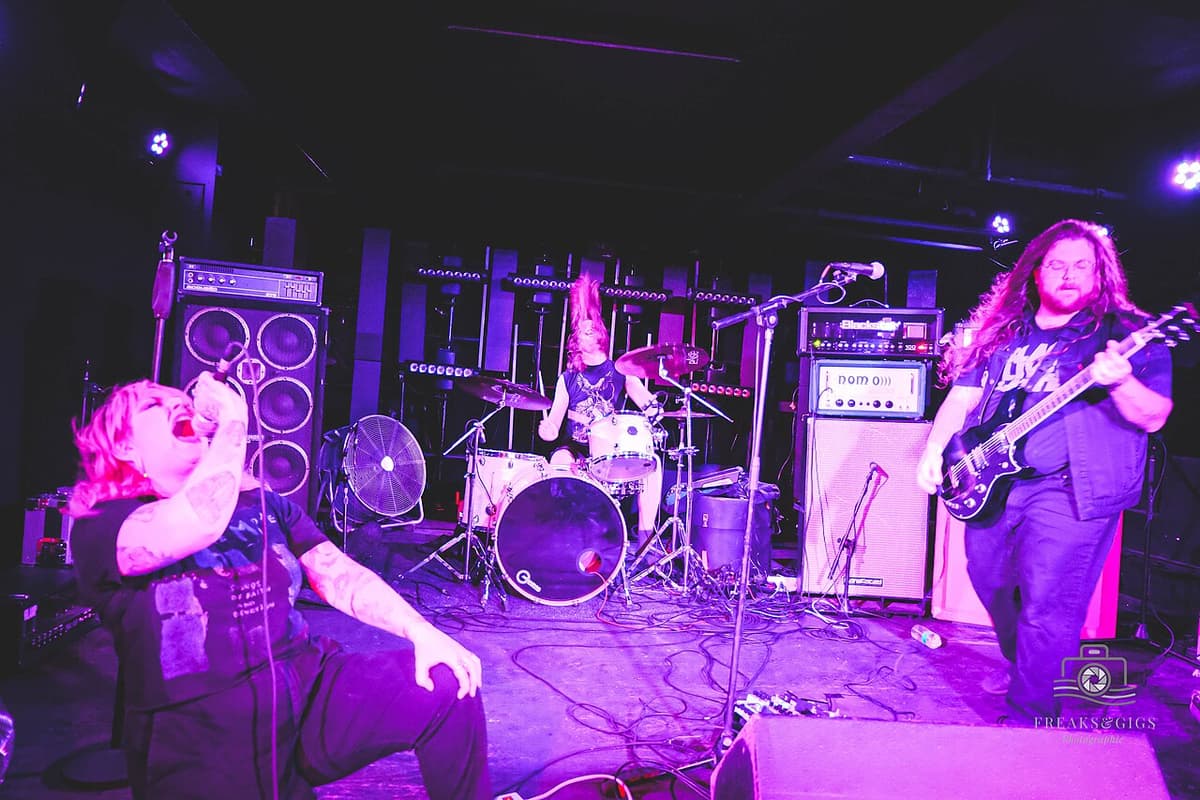
Shares post-metal, sludge metal, doom metal, somber (subgenre)
Shares gritty, post-metal, sludge metal, doom metal (signature)
Shares cavernous vocal reverb, post-metal, sludge metal, doom metal (detail)
Shares post-metal, sludge metal, somber, cathartic (subgenre)
Shares post-metal, sludge metal, doom metal, somber (subgenre)
Cassette uses generative AI to enrich its catalog. How we use AI →