Robert Henke
Surgical digital textures and slowly evolving soundscapes that feel like a high-definition microscope for your ears. Precision-engineered ambient for deep focus.
Surgical digital textures and slowly evolving soundscapes that feel like a high-definition microscope for your ears. Precision-engineered ambient for deep focus.
Robert Henke creates music that feels like a living, breathing architectural structure. It is electronic music stripped of its ego, focusing instead on the physics of sound, the resonance of space, and the beauty of mathematical patterns. While his work under the Monolake moniker often flirts with the pulse of the Berlin club scene, his solo output is more concerned with the microscopic details of a single tone or the way a field recording can be stretched into an infinite horizon.
What sets Henke apart is his dual identity as an artist and an engineer. As a co-creator of Ableton Live, his music often serves as the ultimate proof of concept for his own software tools. You can hear the precision in every click, the intentionality in every reverb tail, and a sense of 'digital warmth' that comes from a deep understanding of signal processing. It is music that demands your full attention but rewards you with a profound sense of clarity and order.
If you are new to his solo work, 'Layering Buddha' is a fascinating entry point, showcasing his ability to transform traditional sounds into haunting, unrecognizable textures. For those seeking a more traditional ambient experience, 'Floating.Point' offers a masterclass in atmosphere. It is the perfect soundtrack for anyone who finds beauty in technical objects and the quiet hum of a well-oiled machine.
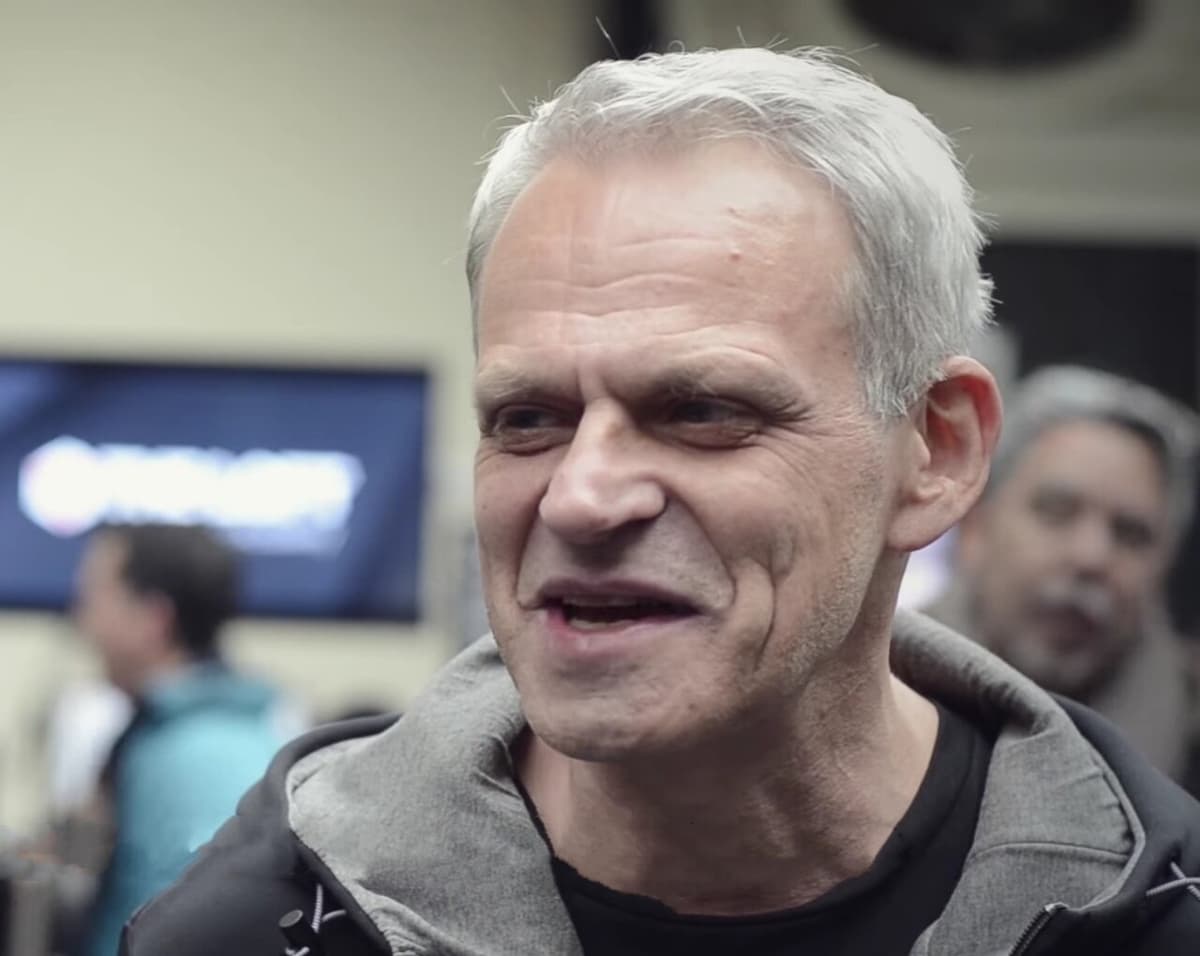
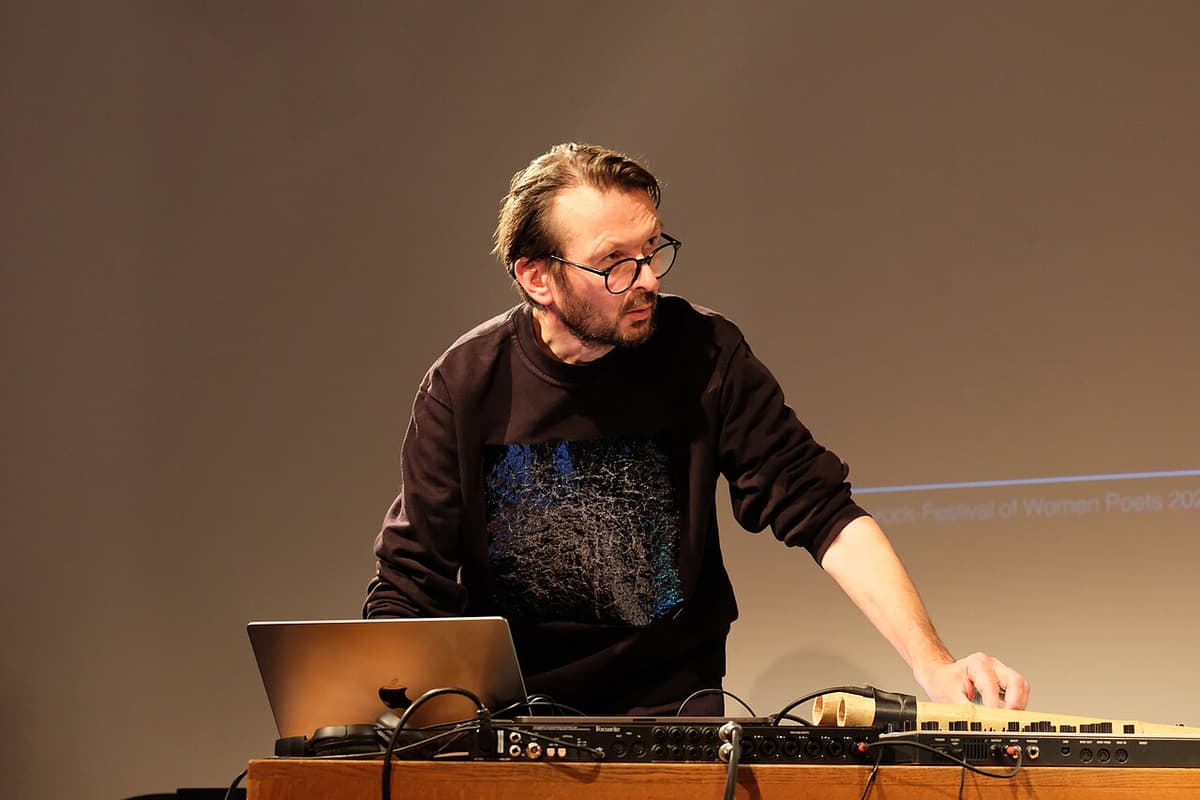
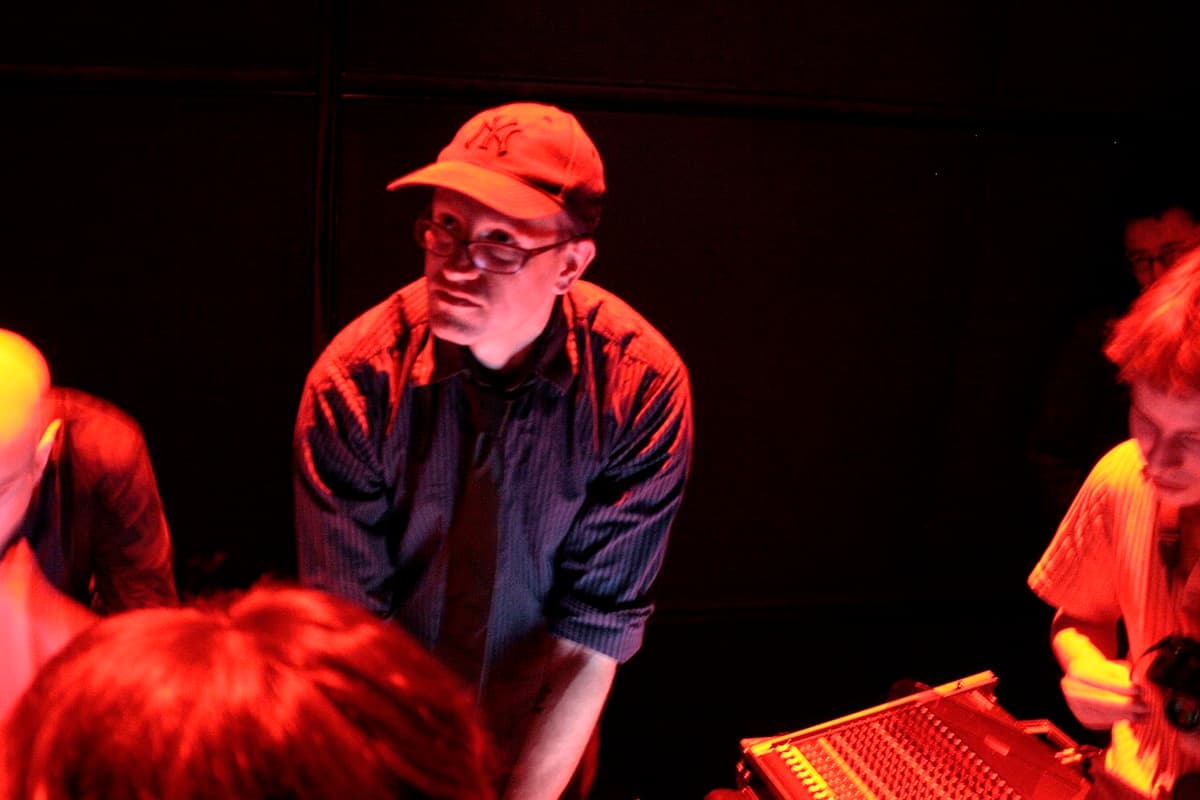
Robert B. Henke (born 1969) is a German computer music artist working in the fields of audiovisual installation, music and performance. He was born in Munich, Germany, and lives in Berlin. Coming from an engineering background, Henke is fascinated by the beauty of technical objects. Developing his own instruments and algorithms is an integral part of his creative process. His materials are computer generated sound and images, field recordings, photography and light; transformed, re-arranged and modulated by mathematical rules, real time interaction and controlled random operations. Many of his works use multiple channels of audio or are specifically conceived for unique locations and their individual properties. For the past few years, he has been exploring the artistic usage of high power lasers in his installations and performances. Robert Henke is also a co-creator of the music software Ableton Live, with Gerhard Behles. Since 1995 he has produced electronic music under the name Monolake, which he founded in collaboration with Gerhard Behles. He writes and lectures about sound and the creative use of computers at the Berlin University of the Arts, the Center for Computer Research in Music and Acoustics (CCRMA) at Stanford University, and the Studio National des Arts Contemporains - Le Fresnoy in Lille, France. His installations, performances and concerts have been presented at the Tate Modern London, the Centre Pompidou Paris, Le Lieu Unique Nantes, PS-1 New York, MUDAM Luxembourg, MAK Vienna, the Art Gallery of New South Wales in Australia, KW Institute for Contemporary Art, Berlin.
Shares ambient techno, glitch, downtempo (subgenres); digital clarity, field recordings, minimalist (production style)
Shares digital clarity, minimalist, field recordings (production style); contemplative, mysterious, serene (moods)
Shares ambient techno, glitch, downtempo (subgenres); absent, instrumental only (vocal style)
Shares ambient techno, downtempo, glitch (subgenres); mysterious, contemplative, serene (moods)
Shares absent, instrumental only (vocal style); glitch, minimal techno, ambient techno (subgenres)
Shares ambient techno, minimal techno, glitch (subgenres); absent, instrumental only (vocal style)
Shares ambient techno, downtempo, glitch (subgenres); mysterious, contemplative, serene (moods)
Shares glitch, ambient techno, minimal techno (subgenres); absent, instrumental only (vocal style)
Shares minimalist, digital clarity, noise textured (production style); contemplative, mysterious, serene (moods)
Cassette uses generative AI to enrich its catalog. How we use AI →