Royal Bliss is a cornerstone of the Salt Lake City rock scene, having maintained a prolific career since their formation in 1997. Their sound is a synthesis of post-grunge, hard rock, and Americana, characterized by the raspy, emotive vocals of Neal Middleton.
While they briefly touched the major label system with Capitol Records, they have largely thrived as a fiercely independent or indie-label entity, building a massive grassroots following through relentless touring. Their sonic identity is defined by 'big' production - heavy on layered electric guitars and anthemic choruses - while maintaining a lyrical focus on survival, redemption, and the American experience. They occupy a cultural space similar to Shaman's Harvest or Theory of a Deadman, appealing to a demographic that values technical proficiency paired with relatable, salt-of-the-earth themes. Critically, they are recognized for their longevity and consistent ability to evolve their sound without alienating a core fanbase that spans from Gen X to younger rock traditionalists.


Shares hard rock, alternative rock, classic rock (subgenres); studio_polished, hand_played, analog_warmth (production style)
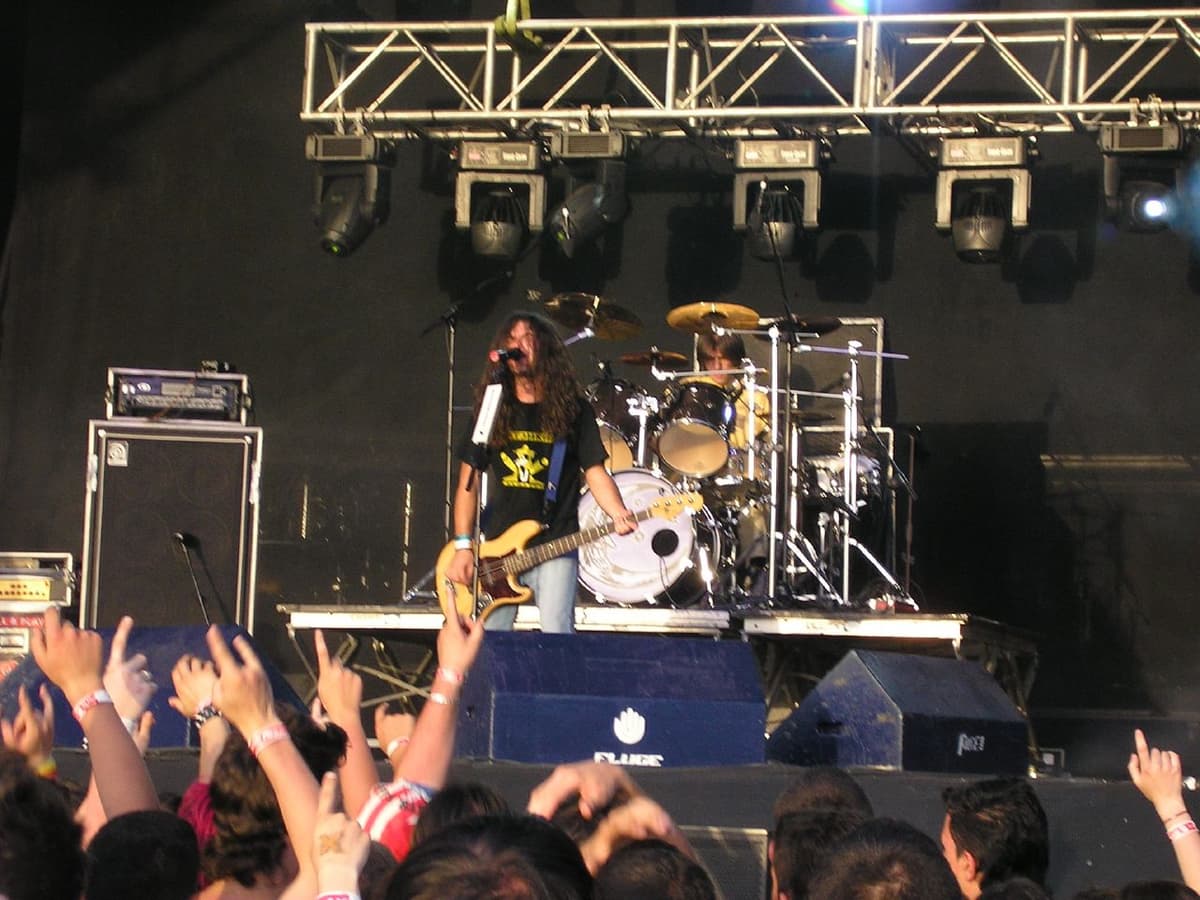
Shares hard rock, alternative rock, classic rock (subgenres); studio_polished, hand_played, analog_warmth (production style)
Shares post-grunge, alternative rock, hard rock (subgenres); defiant, nostalgic, bittersweet (moods)

Shares post-grunge, alternative rock, hard rock (subgenres); raspy, belting, gravelly (vocal style)
Shares hard rock, post-grunge, americana (subgenres); dive_bar, road_trip, basement_show (atmosphere)
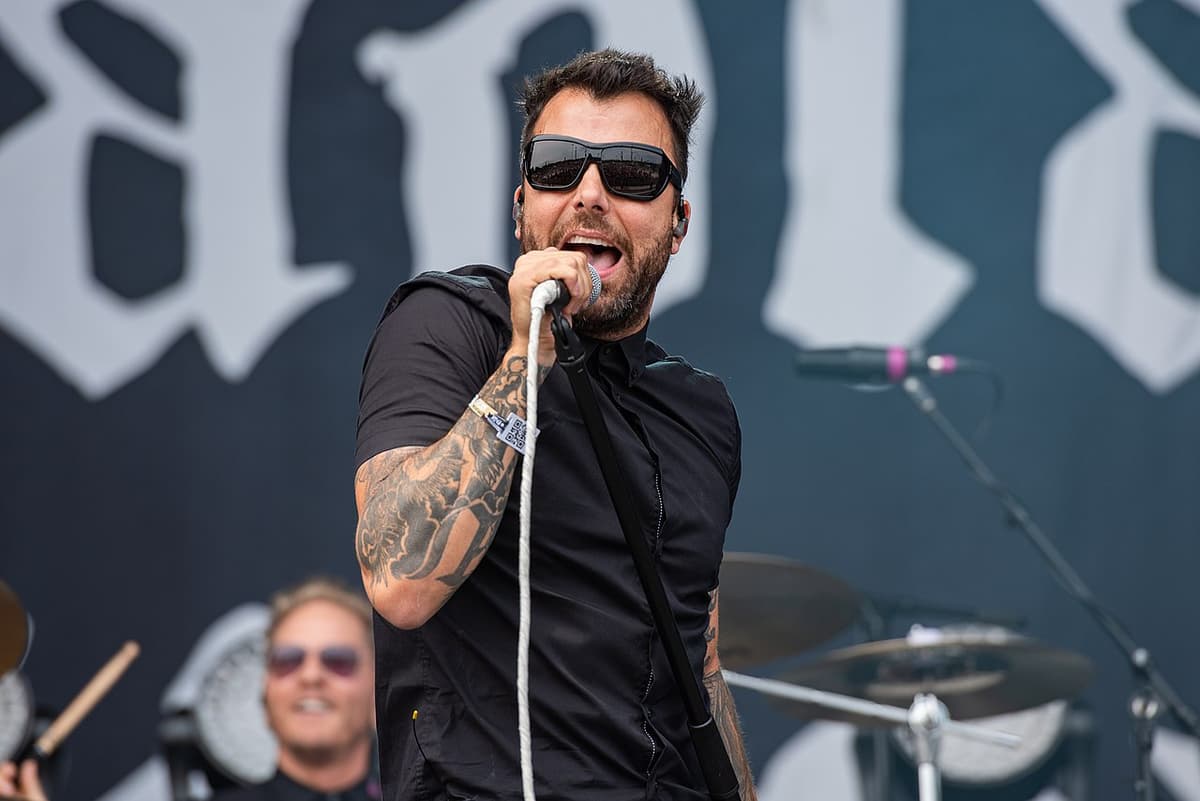
Shares hard rock, alternative rock, americana (subgenres); studio_polished, hand_played, analog_warmth (production style)
Shares hard rock, post-grunge, alternative rock (subgenres); raspy, belting, gravelly (vocal style)
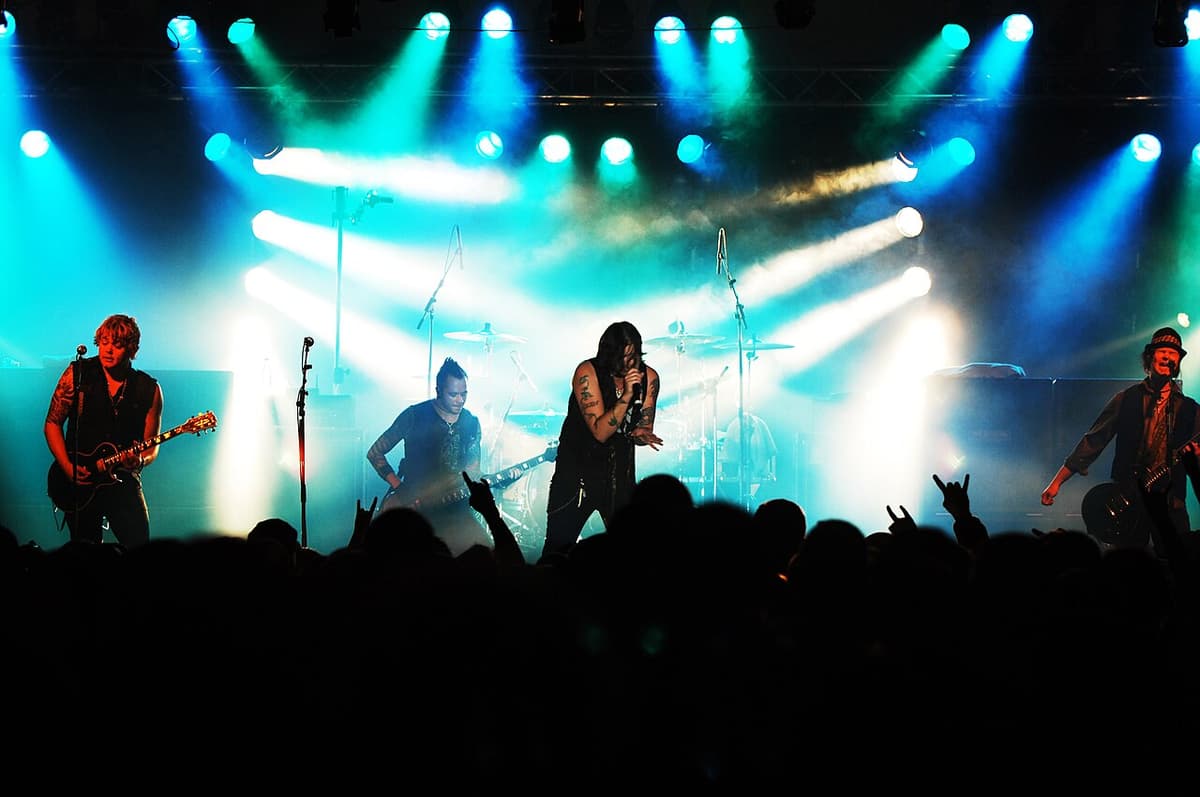
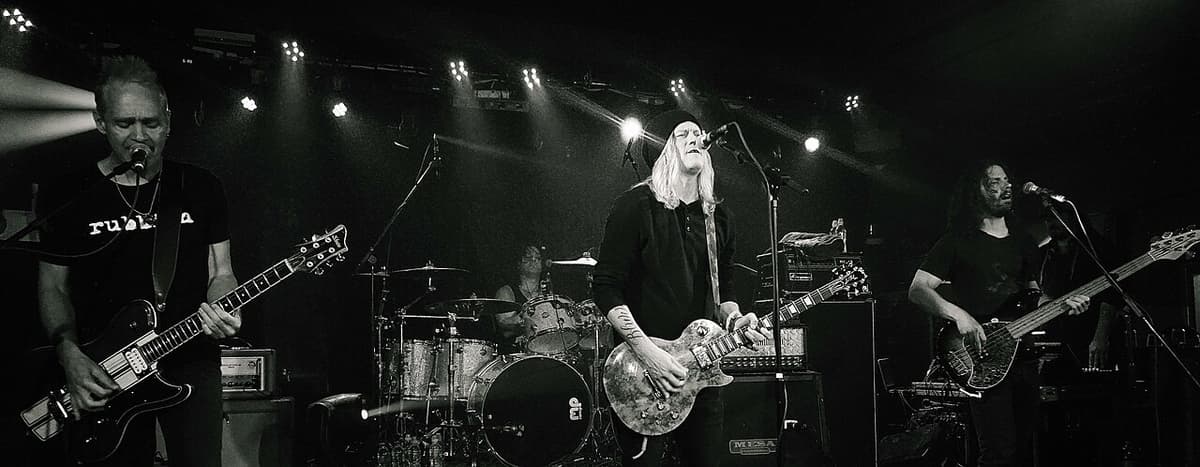
Cassette uses generative AI to enrich its catalog. How we use AI →