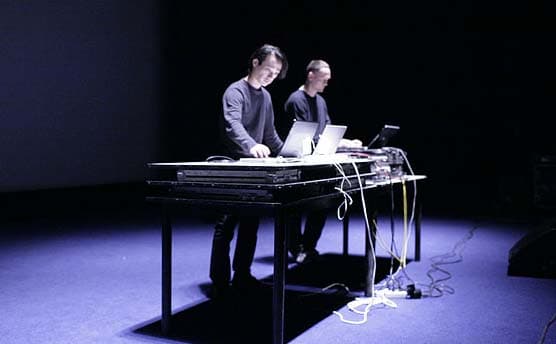
Ryoji Ikeda
Ultra-precise digital pulses and high-frequency sine waves that turn raw data into a physical experience. Immersive, mathematical, and startlingly clean.
Ultra-precise digital pulses and high-frequency sine waves that turn raw data into a physical experience. Immersive, mathematical, and startlingly clean.
Listening to Ryoji Ikeda feels like being inside a supercomputer that has developed a sense of rhythm. The music is stripped of all traditional artifice; there are no melodies, no chords, and no instruments in the conventional sense. Instead, you are presented with the fundamental building blocks of digital sound: pure sine waves, white noise, and the sharp 'click' of a digital error. It is music that feels less like it was composed and more like it was calculated, resulting in a sonic environment that is both terrifyingly vast and microscopically detailed.
What sets Ikeda apart is his mastery of space and silence. His compositions use the 'black' of silence as a canvas for 'white' bursts of sound, creating a high-contrast experience that can be physically felt as much as heard. The sub-bass frequencies rattle your chest while the high-end frequencies test the limits of your hearing. It is a rigorous, uncompromising aesthetic that finds a strange, alien beauty in the cold logic of mathematics and data processing.
For those new to his work, Dataplex is the essential starting point. It serves as a perfect bridge between his more abstract installations and his rhythmic, glitch-based compositions. It is best experienced on the highest quality headphones or speakers you own, as the nuances of his sound design are lost on inferior equipment. This is music for the moments when you want to disappear into a world of pure, unadulterated signal.
Ryoji Ikeda (池田 亮司 Ikeda Ryōji, born 8 July 1966) is a Japanese visual and sound artist who currently lives and works in Paris, France. Ikeda's music is concerned primarily with sound in a variety of "raw" states, such as sine tones and noise, often using frequencies at the edges of the range of human hearing. Rhythmically, Ikeda's music is highly imaginative, exploiting beat patterns and, at times, using a variety of discrete tones and noise to create the semblance of a drum machine. His work also encroaches on the world of ambient music and lowercase; many tracks on his albums are concerned with slowly evolving soundscapes, with little or no sense of pulse.
Shares absent, instrumental only (vocal style); minimalist, digital clarity, noise textured (production style)
Shares absent, instrumental only (vocal style); glitch, minimalism, ambient techno (subgenres)
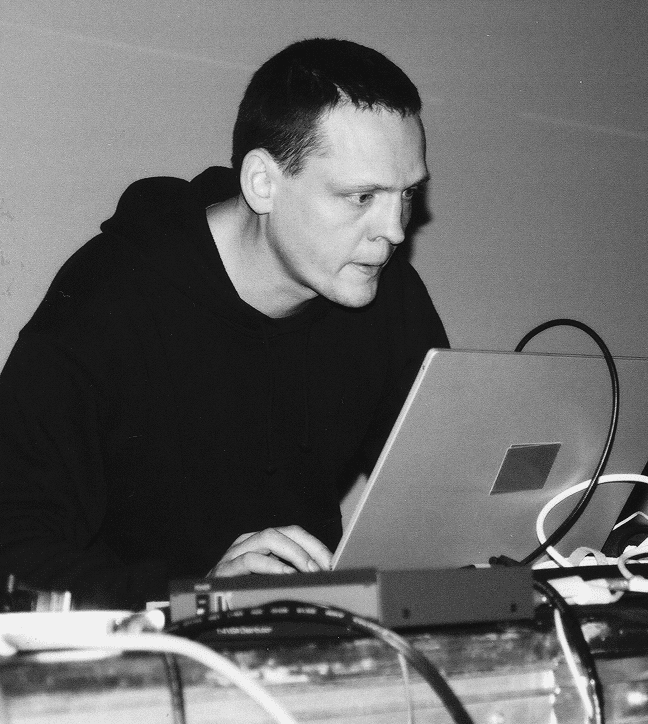
Shares absent, instrumental only (vocal style); minimalist, digital clarity, noise textured (production style)
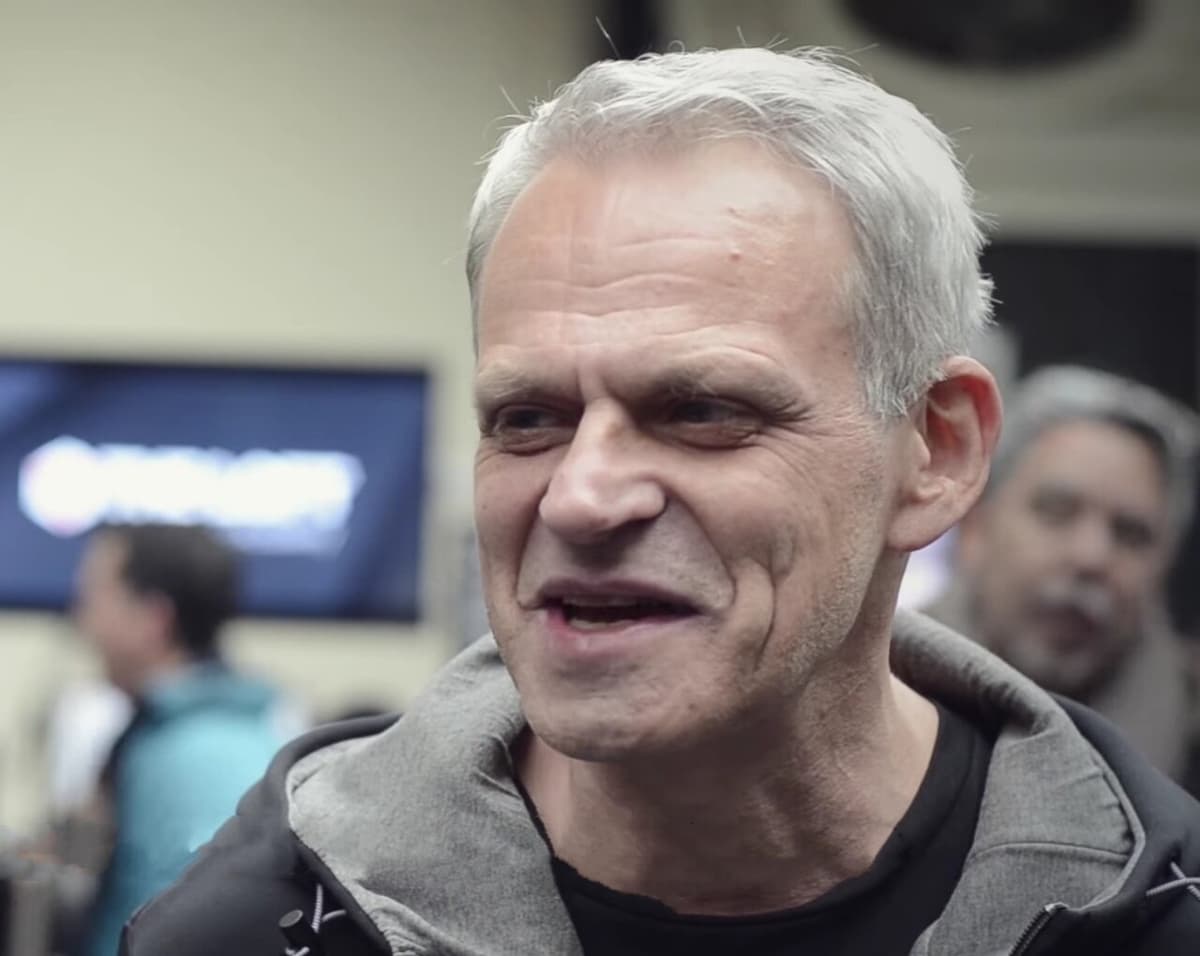
Shares absent, instrumental only (vocal style); minimalist, digital clarity, noise textured (production style)
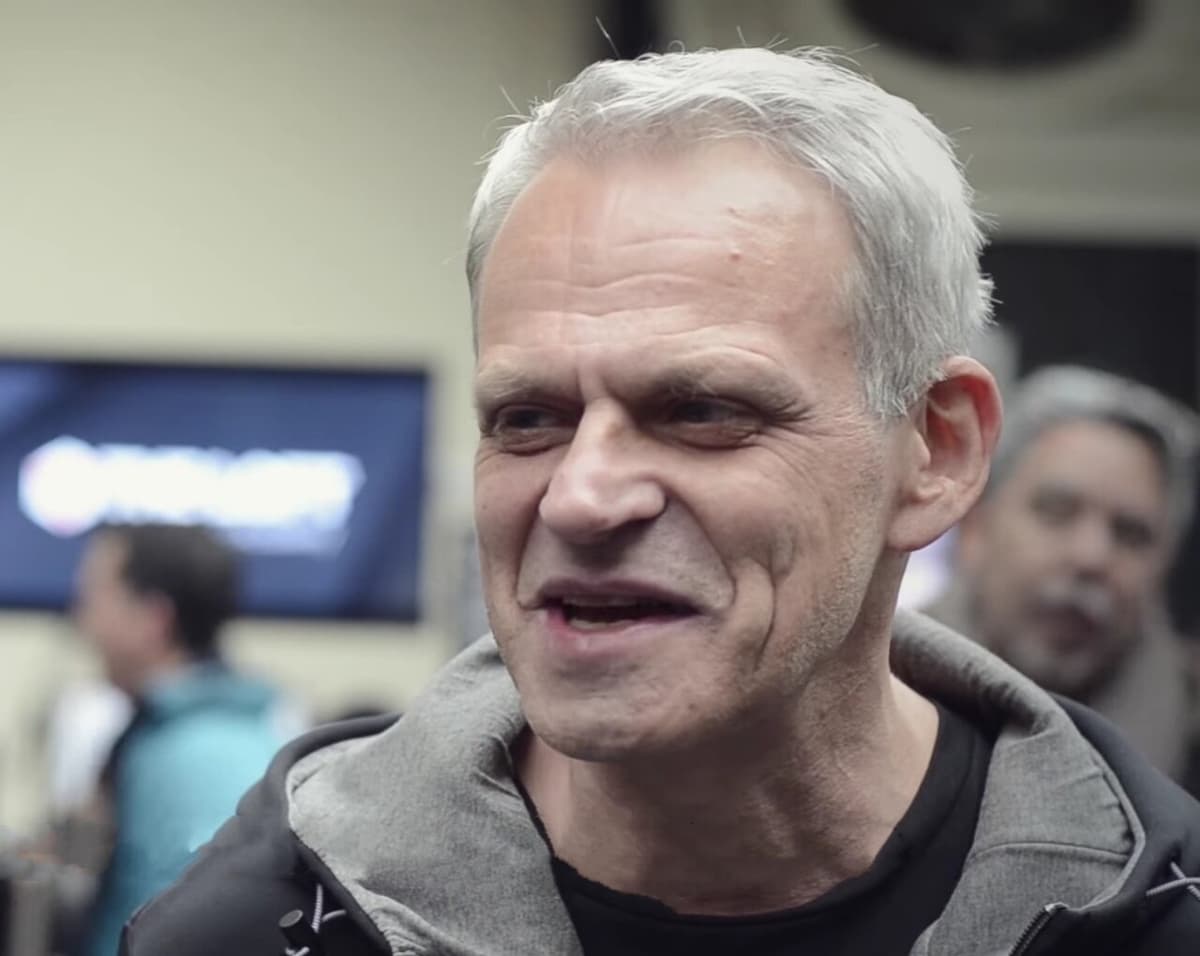
Shares glitch, minimalism, ambient techno (subgenres); minimalist, digital clarity, noise textured (production style)
Shares absent, instrumental only (vocal style); minimalist, digital clarity, noise textured (production style)
Shares absent, instrumental only (vocal style); glitch, ambient techno (subgenres)
Shares glitch, minimalism, ambient techno (subgenres); absent, instrumental only (vocal style)
Shares absent, instrumental only (vocal style); glitch, ambient techno (subgenres)
Cassette uses generative AI to enrich its catalog. How we use AI →