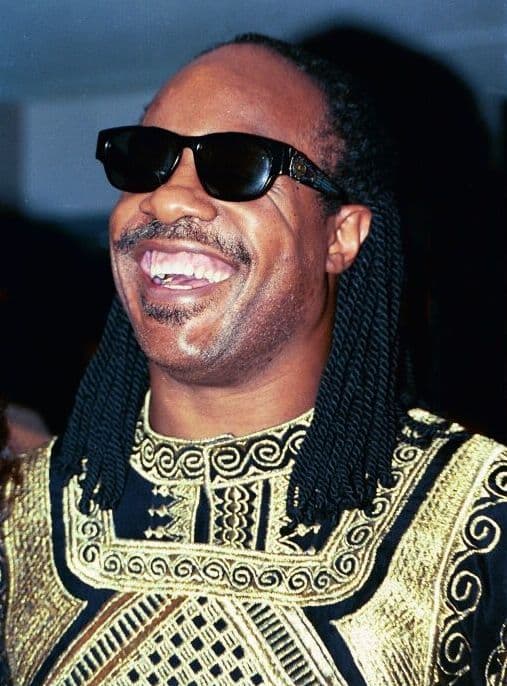
Stevie Wonder
Radiant, complex soul built on rubbery synth grooves and soaring melodies. A masterclass in rhythmic joy and socially conscious songwriting for any time of day.
Radiant, complex soul built on rubbery synth grooves and soaring melodies. A masterclass in rhythmic joy and socially conscious songwriting for any time of day.
Signing with Motown at just eleven years old, Stevie Wonder evolved from a harmonica-playing child prodigy into a self-contained studio architect.
The Detroit-raised singer, songwriter, and multi-instrumentalist spent the 1970s dismantling the traditional boundaries of R&B, using synthesizers and keyboards to construct sprawling, socially conscious albums almost entirely by himself. His work merged funk, soul, pop, and jazz into a singular, highly expressive vocabulary that redefined the possibilities of the long-playing record.
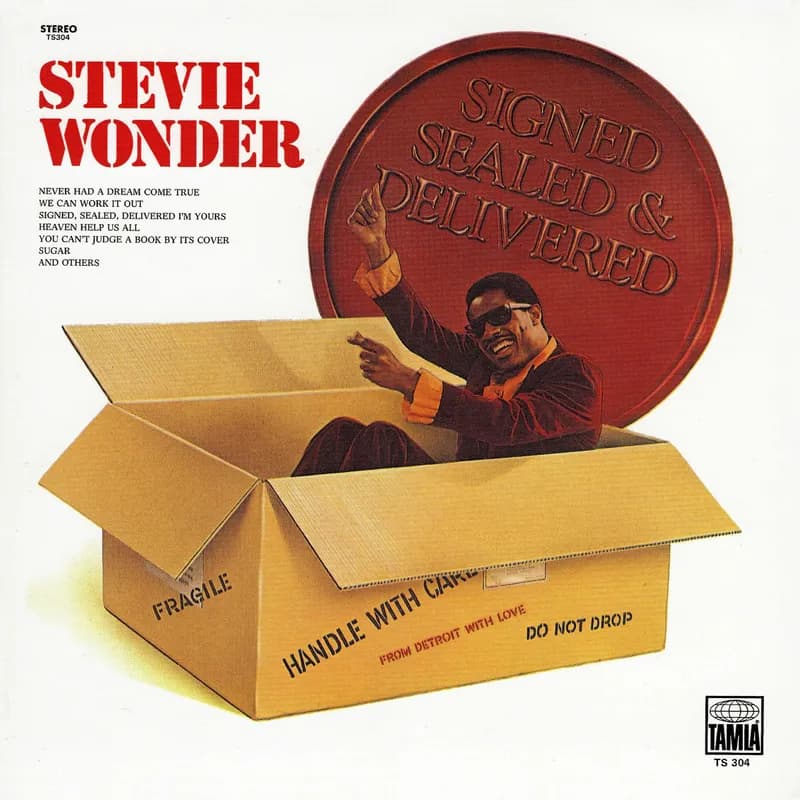
A burst of bright brass and the buzzy twang of an electric sitar break through the speakers, carrying a voice that finally sounds entirely like itself. There is a loose, sweat-slicked joy to these tracks, where gospel-reared piano chords crash into driving tambourines. You can feel the heat of a crowded Detroit studio as the singer takes the reins, trading his child-star polish for a gritty, shouting optimism that leaps straight out of the groove.

A buzzing, hand-wired wall of synthesizers replaces the polished Motown house band, marking the exact boundary where a child prodigy became an independent auteur. By taking total control of the studio, he turned these early electronic experiments into deeply personal, multi-tracked soliloquies. You can feel the isolation in the warm, eccentric keyboard grooves, a solitary genius talking to himself through patch cables and clavinet keys. It is a loose, sometimes messy blueprint that traded radio-ready singles for a singular, psychedelic soul vision, permanently rewriting the rules of what a modern R&B album could dare to be.

A clavinet growls through a custom-built wall of synthesizers, transforming the polite boundaries of Motown into a playground of raw, tactile funk. This is the precise moment the prodigy claimed absolute creative autonomy, fusing analog warmth with a fierce, independent vision of modern soul. By taking total control of the studio, he perfected a singular dialect where radiant romanticism and sharp social commentary coexist within the same groove. You are listening to the definitive blueprint of his golden era, a record that proved synthesizers could possess a human heartbeat and redefined the possibilities of American black music forever.

A wall of buzzing, hand-wired analog synthesizers transformed a former child prodigy into a singular prophet of the American streetscape. This record perfected the transition from Motown’s polished romance to a gritty, self-contained funk theology, proving that one man could play almost every instrument and still capture the collective consciousness of a nation. You are plunged into a humid world of traffic noise, gospel-drenched keys, and sharp systemic critiques that feel startlingly immediate. It remains the definitive monument of his golden era, where technological innovation finally aligned with an urgent, deeply human soul.
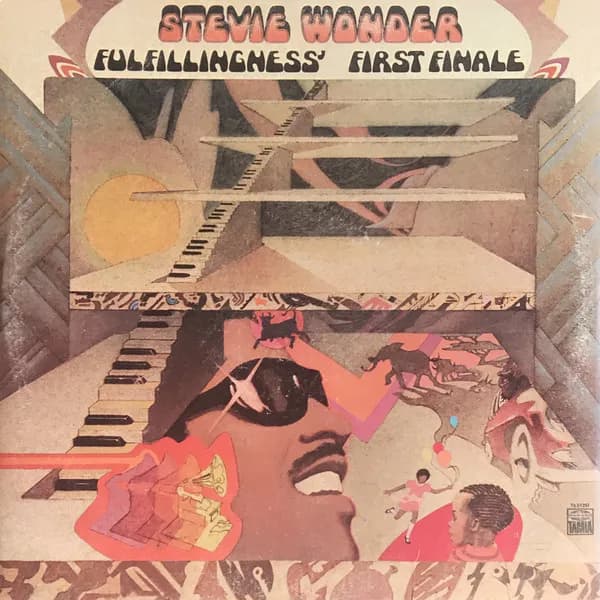
A low, wet Moog bassline creeps through the quiet, carrying the weight of a hot summer night spent in uneasy reflection. Coming after a run of ecstatic, world-shaking grooves, this music turns inward, trading bright horn sections for shadow-draped keyboards and raw, late-night confessions. You are pulled into a private space where political exhaustion and fragile romance exist side by side, delivered with the quiet intensity of an artist finally catching his breath.

A sprawling monument of warm analog soul
A double-keyboard bassline, thick with Moog synthesizer grease, transformed a sprawling double-album into the definitive monument of American soul. This record perfected the transition from the tight, radio-ready singles of the early seventies into a limitless, self-produced universe of jazz fusion and street-corner funk. By claiming absolute creative control, the artist did not just release a collection of songs; he built a sonic cathedral where childhood nostalgia and urgent social protest live in the same warm, analog air. You are listening to the absolute zenith of a genius operating without gravity, rewriting the boundaries of what black pop music could achieve.

Thick, bubbling synthesizer basslines collide with bright brass and the steady, warm thrum of a reggae beat. Recorded in his own newly acquired studio, these songs carry the relaxed, confident air of a master craftsman playing with new toys. You can feel the California sun baking the pavement outside while inside, the music shifts effortlessly from sweat-slicked funk to tender, acoustic-led ballads. It is a joyful, rhythmically crowded room where every groove feels loose, immediate, and alive.
Though he has not released a full-length studio album since 2005, the multi-instrumentalist remains an active, revered live performer and cultural presence.
His monumental run of albums from the 1970s stands as one of the most celebrated streaks in popular music, a body of work that proved electronic instrumentation could carry profound human warmth. While his later digital-era output was occasionally uneven, his legacy is secured by that peerless decade of unfettered creative freedom.
Cassette uses generative AI to enrich its catalog. How we use AI →