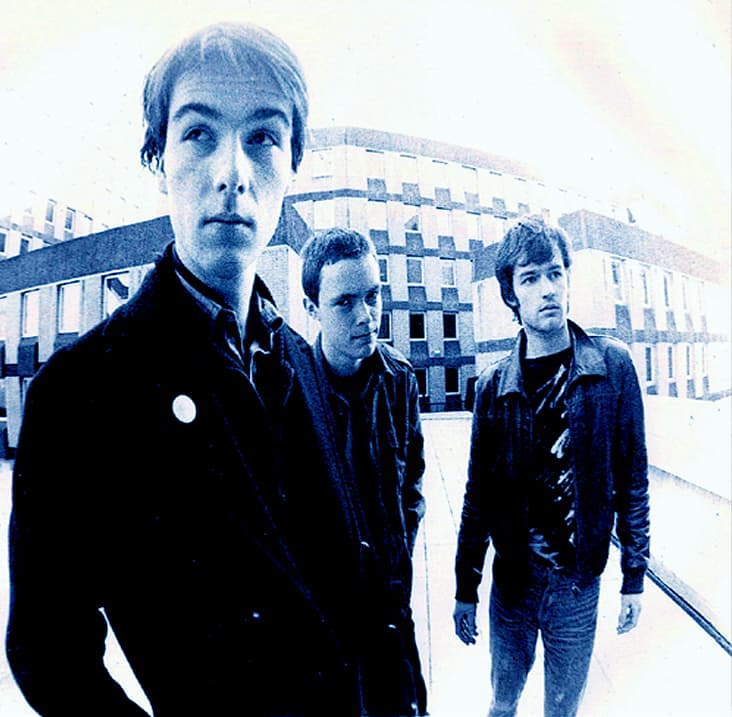
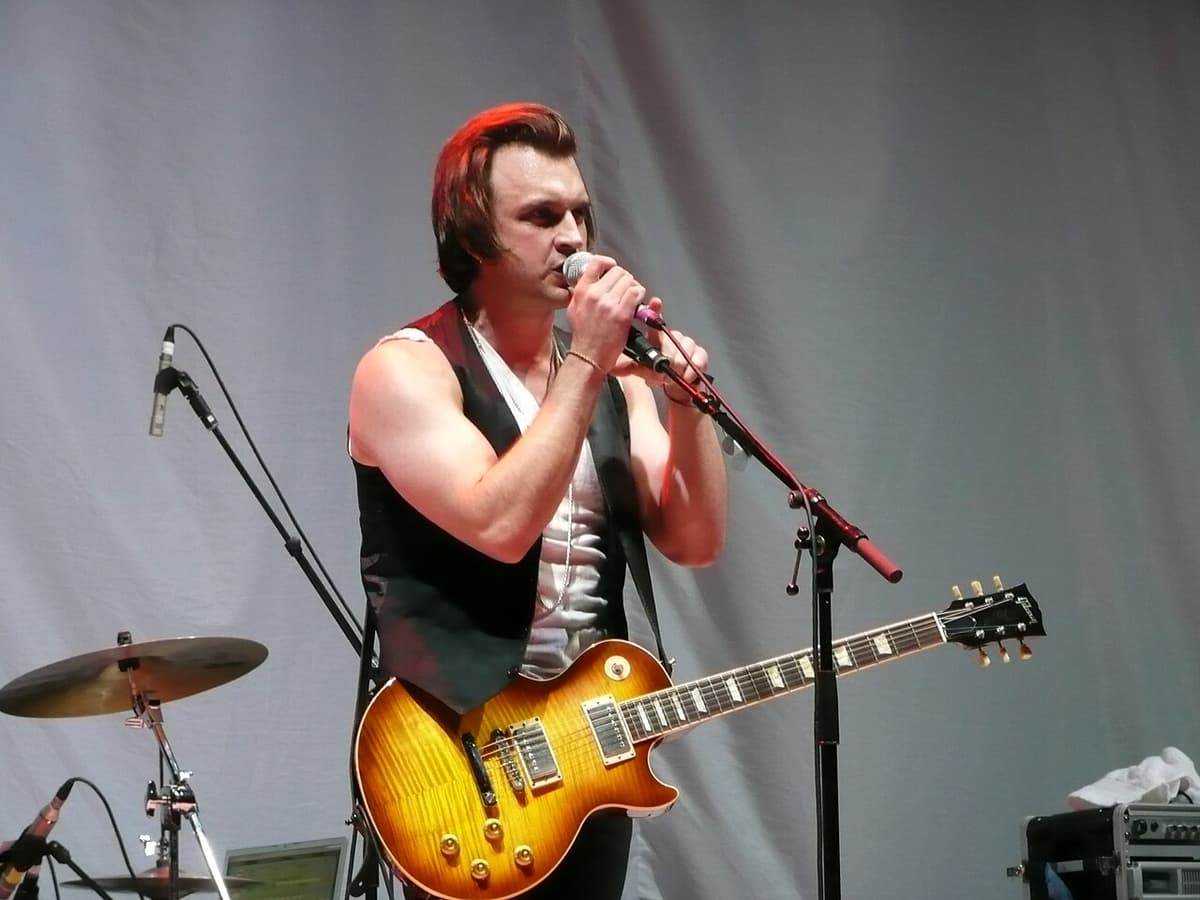
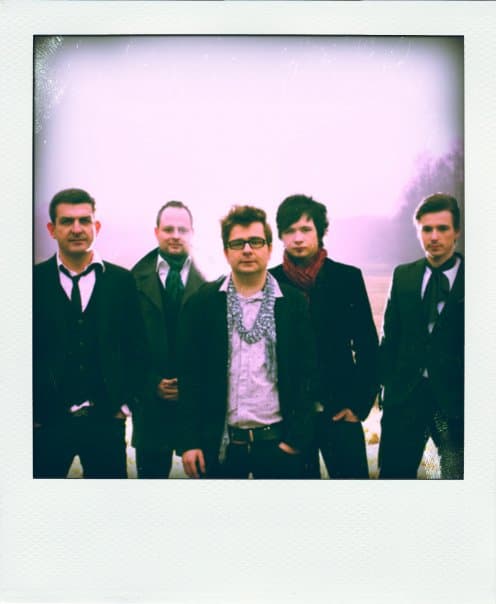
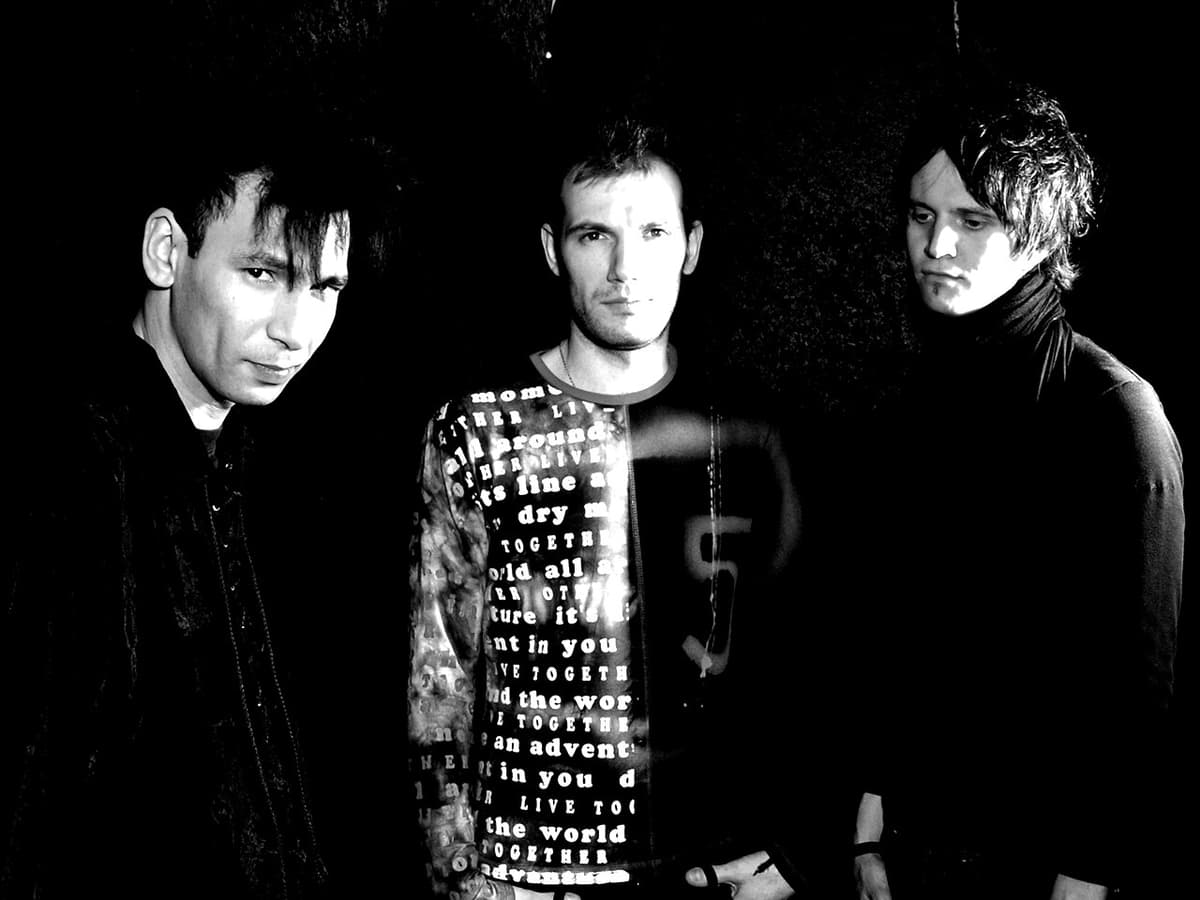
The Departure emerged from Northampton, UK, in 2004, quickly becoming a central figure in the post-punk revival movement of the mid-2000s. Signed to Parlophone, they released their debut album 'Dirty Words' in 2005, produced by Steve Osborne.
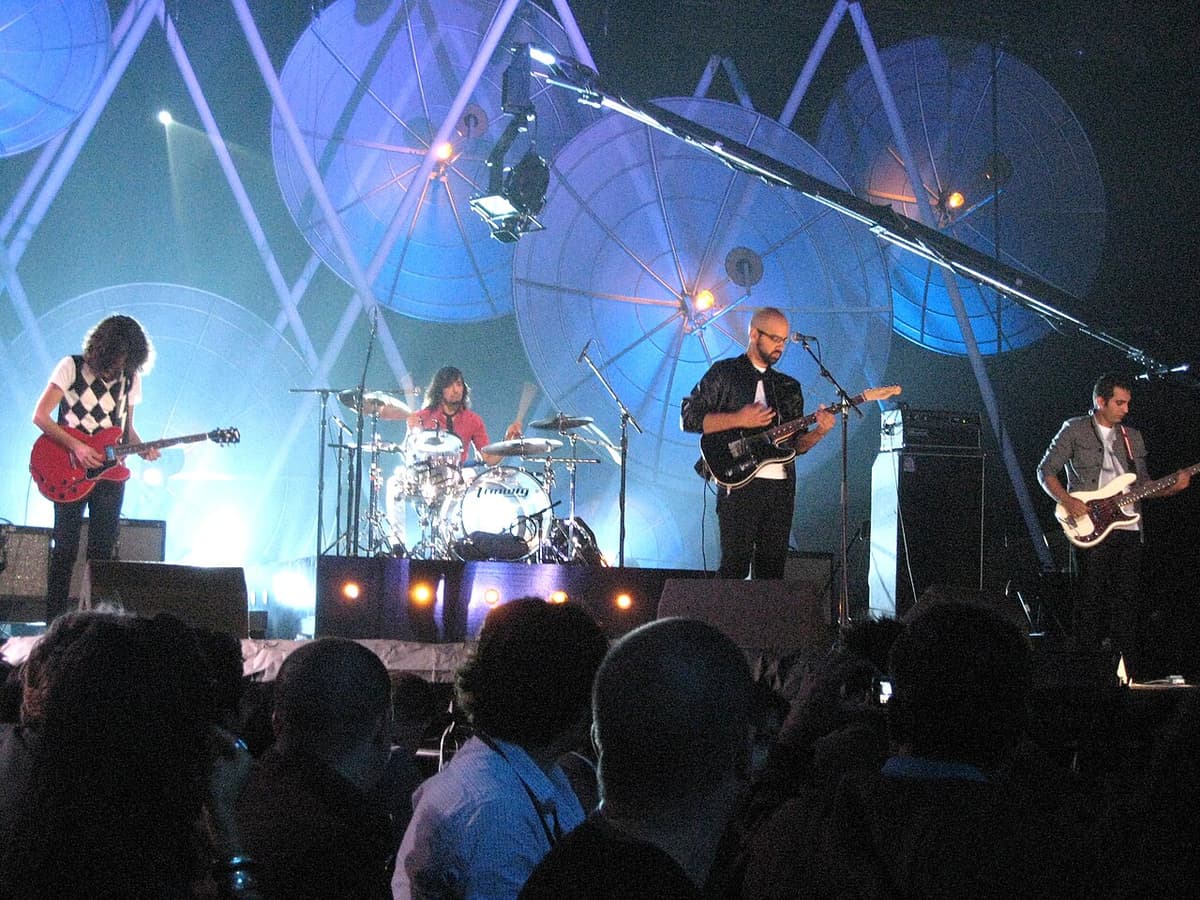
Their sound identity is built on a foundation of 1980s influences, specifically the atmospheric gloom of The Chameleons and the art-rock sensibilities of David Bowie, filtered through a contemporary indie-rock lens. Critically, they were often grouped with contemporaries like Bloc Party and The Futureheads due to their use of angular guitar riffs and high-tempo, motorik rhythms. Despite a successful start and high-profile tours with We Are Scientists and The Killers, the band faced internal and label-related friction during the recording of their second album, 'Inventions,' leading to their eventual dissolution. Their legacy remains tied to the 'angular' indie era, prized by collectors for their ability to balance pop hooks with a cold, industrial aesthetic. The mention of 2011 and 2015 releases in some databases likely refers to archival digital distributions or a different entity using the name, as the original UK group's primary activity ceased after 2008.
Shares post-punk, indie rock, new wave (subgenres); intense, baritone (vocal style)
Shares post-punk, indie rock, britpop (subgenres); studio_polished, crisp_clean (production style)
Shares post-punk, indie rock, new wave (subgenres); urgent, brooding, restless (moods)
Shares urban_night, basement_show, rainy_day (atmosphere); restless, urgent, brooding (moods)
Shares post-punk, indie rock (subgenres); intense, baritone, crooning (vocal style)
Shares post-punk, urgent, electric guitar, indie rock (signature)
Shares post-punk, urgent, britpop, crisp_clean (signature)
Cassette uses generative AI to enrich its catalog. How we use AI →