The Gories sound like a band that was never told they needed a bass player, and they are better for it. Their music is a clattering, high-voltage collision of 1950s R&B and the most abrasive corners of 1980s punk. It is skeletal and primitive, built on a foundation of Peggy O'Neill's floor-tom-heavy stomp and the interlocking, jagged guitar lines of Mick Collins and Dan Kroha. The production is unapologetically lo-fi, capturing the hiss of the room and the red-lined distortion of small amps pushed to their breaking point.
What makes them distinctive is their deep, almost academic reverence for the blues, filtered through a total lack of technical pretension. While other garage bands were chasing a polished retro look, The Gories were digging into the grime of Bo Diddley and John Lee Hooker, reassembling those influences with a frantic, urban energy. The absence of bass creates a hollow, percussive space in the mix that makes the guitars feel twice as sharp and the vocals twice as desperate.
Start with 'Houserockin' or 'I Know You Fine, but How You Doin'. These records define the Detroit garage sound that would later inspire The White Stripes. It is music that feels immediate, dangerous, and entirely human, perfect for when you need something that hasn't been scrubbed clean by a studio professional.
The Gories are an American garage punk trio that formed in Detroit, Michigan, United States, in 1986. They were among the first 1980s garage rock bands to incorporate overt blues influences. The band features Mick Collins (of The Dirtbombs), Dan Kroha (later of the now defunct The Demolition Doll Rods) on guitar and vocals, and Peggy O'Neill on drums. The band originally broke up in 1992 after a European tour, reforming in July 2009 for a reunion tour across Europe, along with co-headliners The Oblivians. The band reconvened for a second reunion tour in 2010, this time across North America.


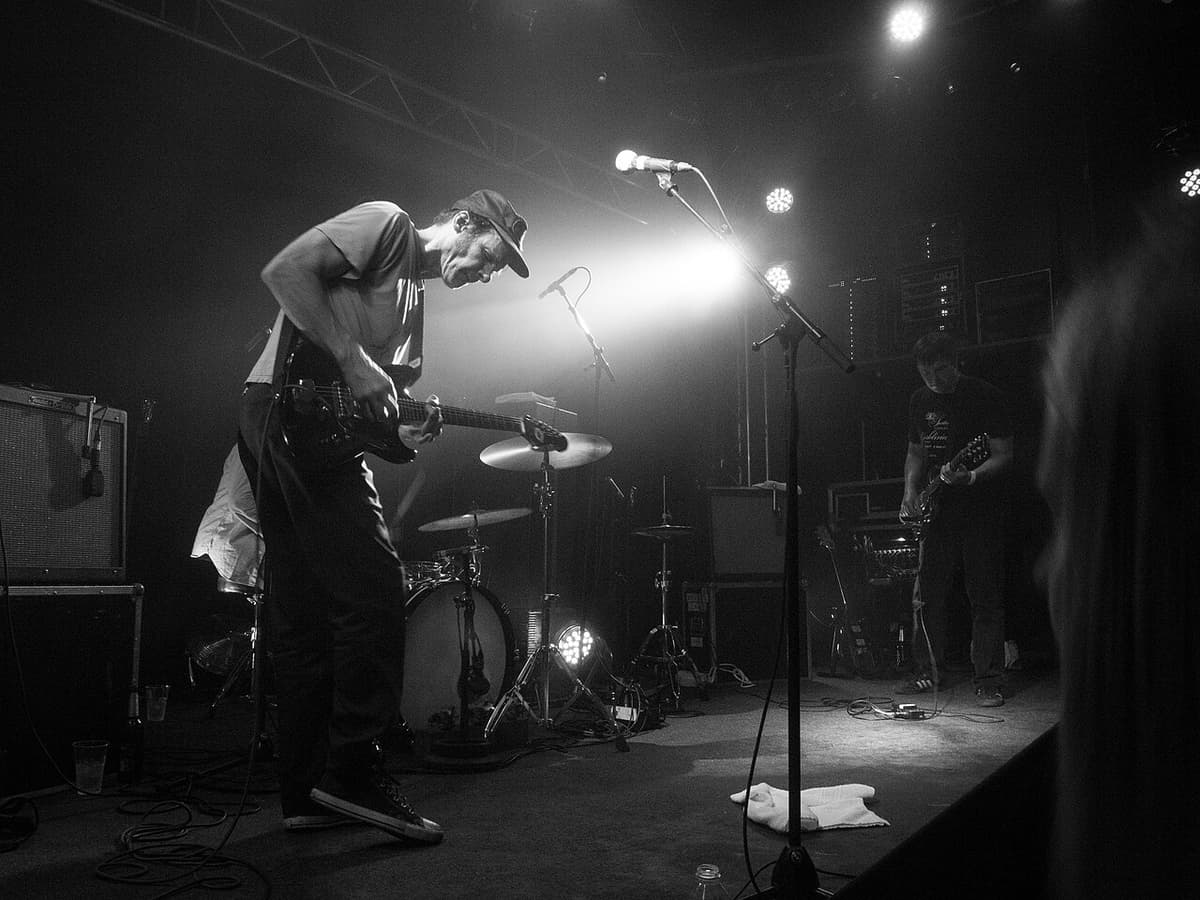
Shares garage rock, punk rock, blues rock (subgenres); dive bar, basement show, urban night (atmosphere)
Shares garage rock, punk rock, blues rock (subgenres); rebellious, energetic, defiant (moods)
Shares garage rock, punk rock, rockabilly (subgenres); dive bar, basement show, urban night (atmosphere)
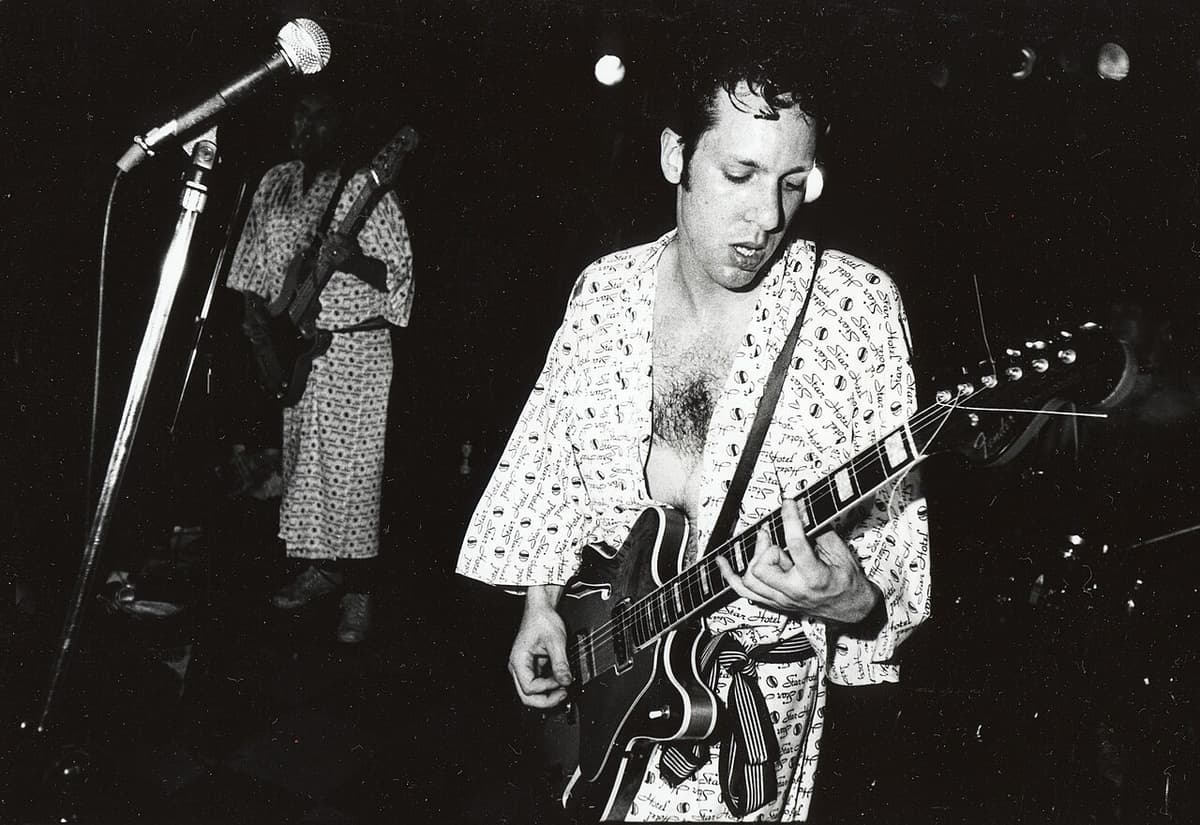
Shares rebellious, energetic, defiant (moods); garage rock, punk rock, rockabilly (subgenres)
Shares garage rock, punk rock, rockabilly (subgenres); rebellious, energetic, defiant (moods)
Shares garage rock, punk rock, blues rock (subgenres); rebellious, energetic, defiant (moods)
Shares garage rock, punk rock, blues rock (subgenres); lo fi, stripped back, noise textured (production style)
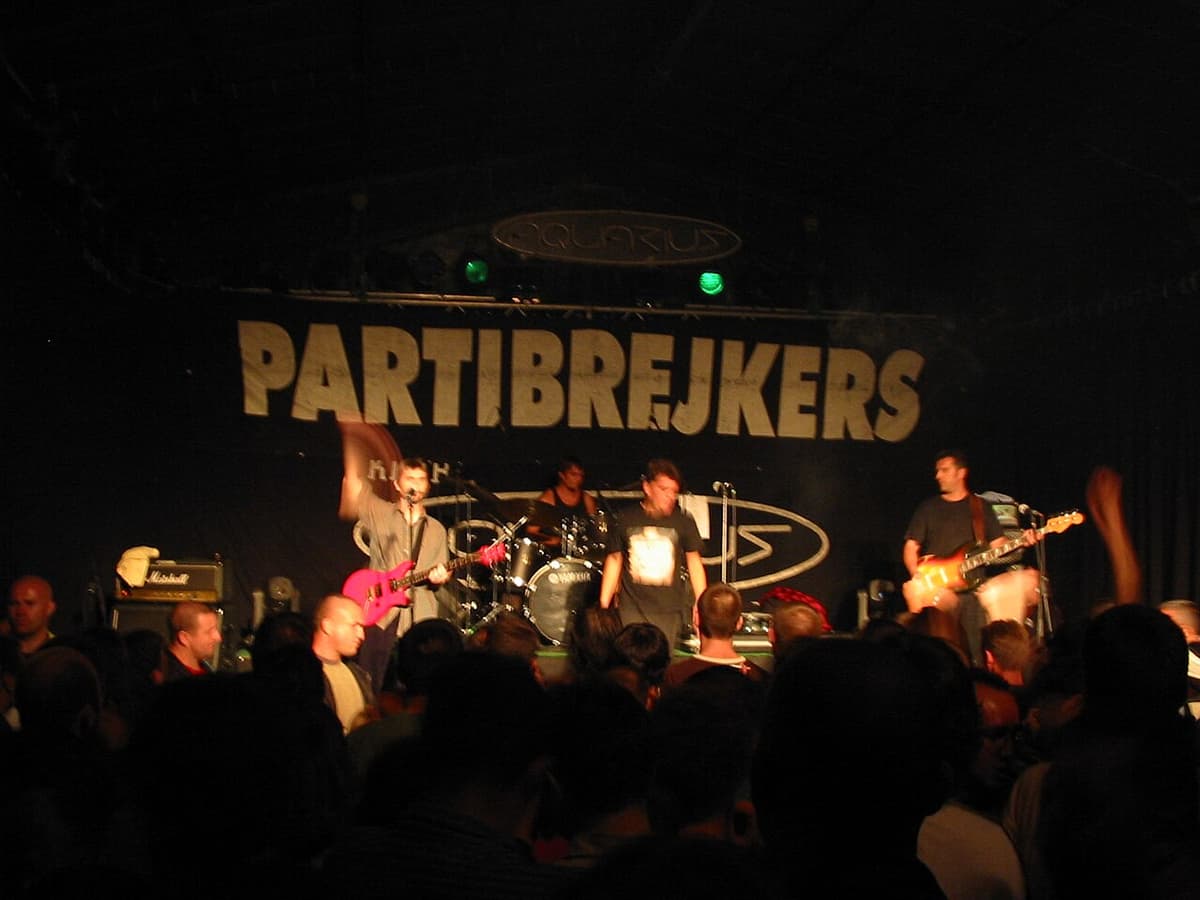
Shares garage rock, punk rock, blues rock (subgenres); dive bar, basement show, urban night (atmosphere)
Shares garage punk, rockabilly, garage rock, punk rock (signature)
Cassette uses generative AI to enrich its catalog. How we use AI →