The Hacker
Cold, sharp-edged electro that bridges the gap between Detroit techno and 80s new wave. Dark, driving rhythms for basement clubs and late-night city drives.
Cold, sharp-edged electro that bridges the gap between Detroit techno and 80s new wave. Dark, driving rhythms for basement clubs and late-night city drives.
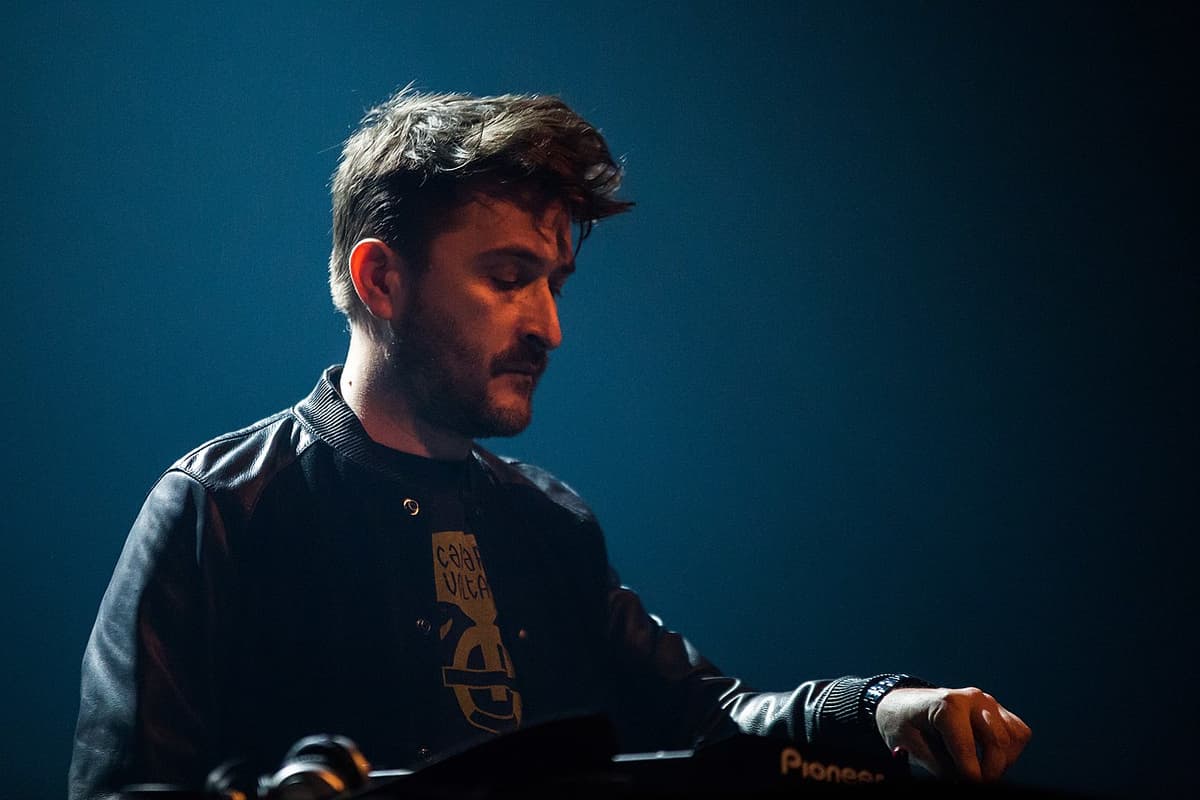
Michel Amato, performing as The Hacker, is a foundational figure in the French electronic scene, specifically credited as a primary architect of the electroclash movement. Emerging from Grenoble in the early 1990s, Amato's trajectory moved from hardcore techno and rave into a more refined, synth-heavy aesthetic influenced by the cold-wave and new-wave sounds of The Cure and Kraftwerk.
His stage name, a tribute to Jeff Mills, signals his deep reverence for Detroit techno, which provides the structural backbone for his more melodic, darkwave-influenced compositions. His career is marked by a long-standing partnership with Miss Kittin, which yielded hits like '1982' and 'Frank Sinatra,' defining the early 2000s electronic zeitgeist. Critically, he is respected for his refusal to abandon analog hardware, maintaining a signature 'cold' sound that avoids the digital sheen of contemporary EDM. He remains a cult figure among vinyl collectors and techno purists for his label Goodlife Records and his consistent output on influential imprints like International Deejay Gigolo.
Shares techno, darkwave, synth-pop (subgenres); brooding, intense, mysterious (moods)
Shares brooding, intense, mysterious (moods); techno, darkwave (subgenres)
Shares techno, darkwave (subgenres); brooding, intense, mysterious (moods)
Shares techno, darkwave, synth-pop (subgenres); brooding, intense, mysterious (moods)
Shares techno, darkwave (subgenres); analog_warmth, minimalist, drum_machine (production style)
Shares analog_warmth, minimalist, studio_polished (production style); brooding, intense, mysterious (moods)
Shares techno, darkwave, synth-pop (subgenres); urban_night, basement_show, dive_bar (atmosphere)
Shares electroclash, darkwave, techno, spoken_word (signature)
Shares electroclash, darkwave, techno, midnight (signature)
Cassette uses generative AI to enrich its catalog. How we use AI →