The Pop Group
Abrasive, funk-fueled protest music that collides dub echo with free-jazz chaos. It is the sound of a system breaking down in real time. For the restless and defiant.
Abrasive, funk-fueled protest music that collides dub echo with free-jazz chaos. It is the sound of a system breaking down in real time. For the restless and defiant.
Listening to The Pop Group feels like being caught in a high-speed collision between a James Brown rehearsal and a political riot. The music is physically demanding, built on a foundation of skeletal, hyper-active funk basslines and drumming that feels both tribal and industrial. Over this, guitars slash like jagged glass, and saxophones erupt in dissonant, free-jazz squalls that refuse to resolve into melody. It is music that occupies space with a terrifying, jagged energy.
What truly sets them apart is the way they weaponize space and silence through the lens of dub production. Sounds drop into bottomless pits of reverb only to be snatched back by a dry, aggressive vocal bark. Mark Stewart’s delivery is less like singing and more like a desperate transmission from a collapsing civilization, mixing radical political slogans with existential dread. They managed to make avant-garde experimentation feel as urgent and visceral as a punk three-chord thrash.
Start with their debut album, Y. Produced by Dennis Bovell, it is the definitive document of their mutant sound, capturing the precise moment where punk’s energy was redirected into something far more complex, funky, and frightening. It is essential listening for anyone who wants to hear the boundaries of rock music being systematically dismantled.
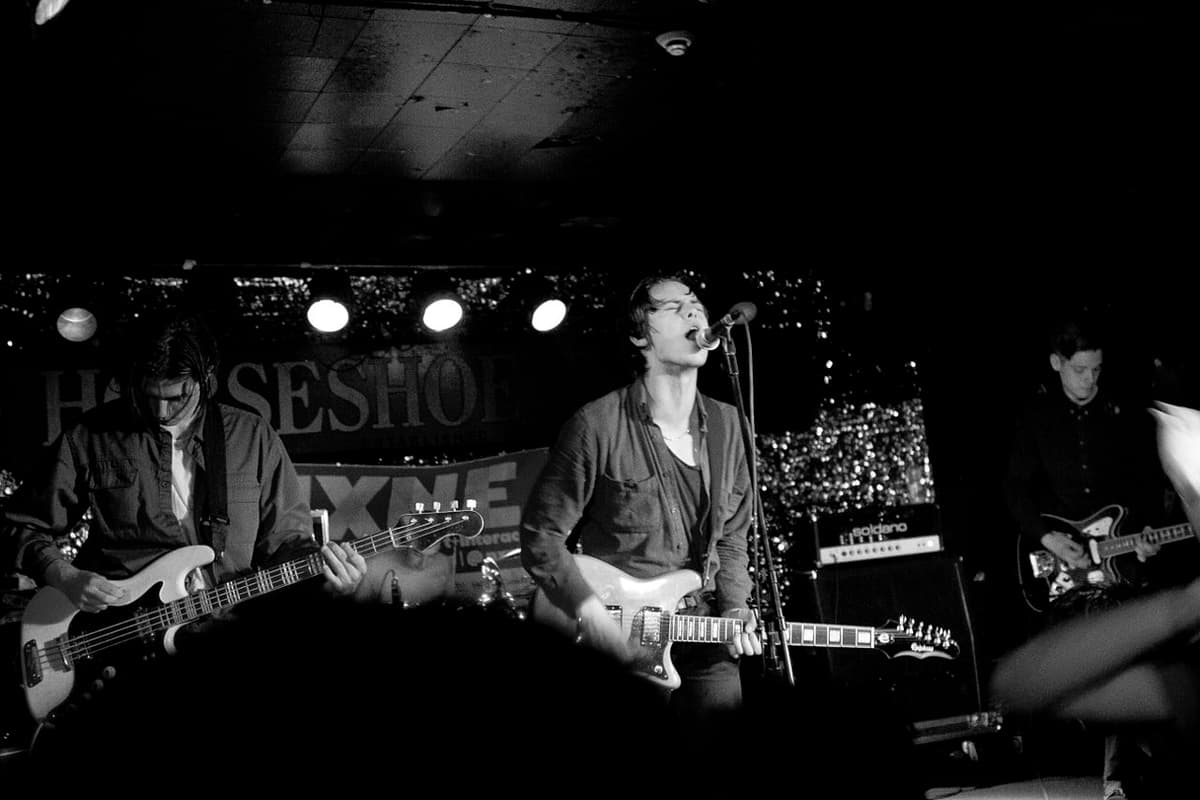
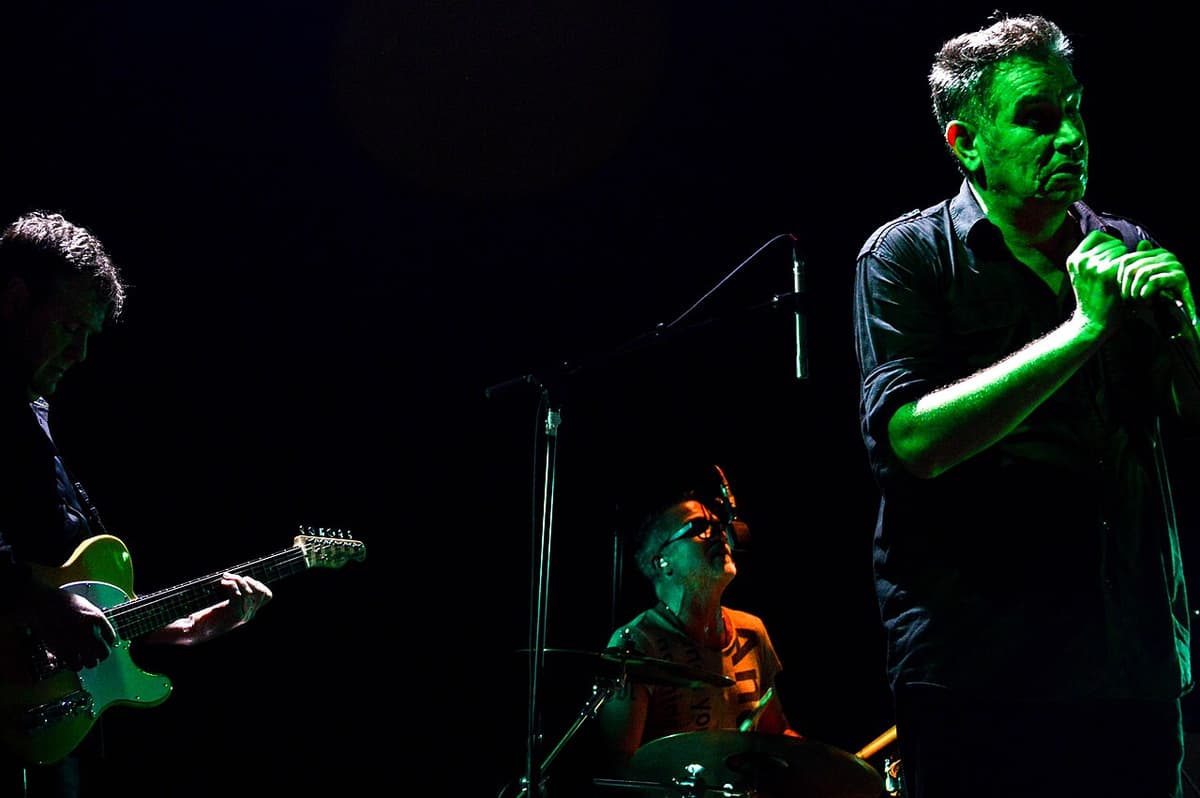
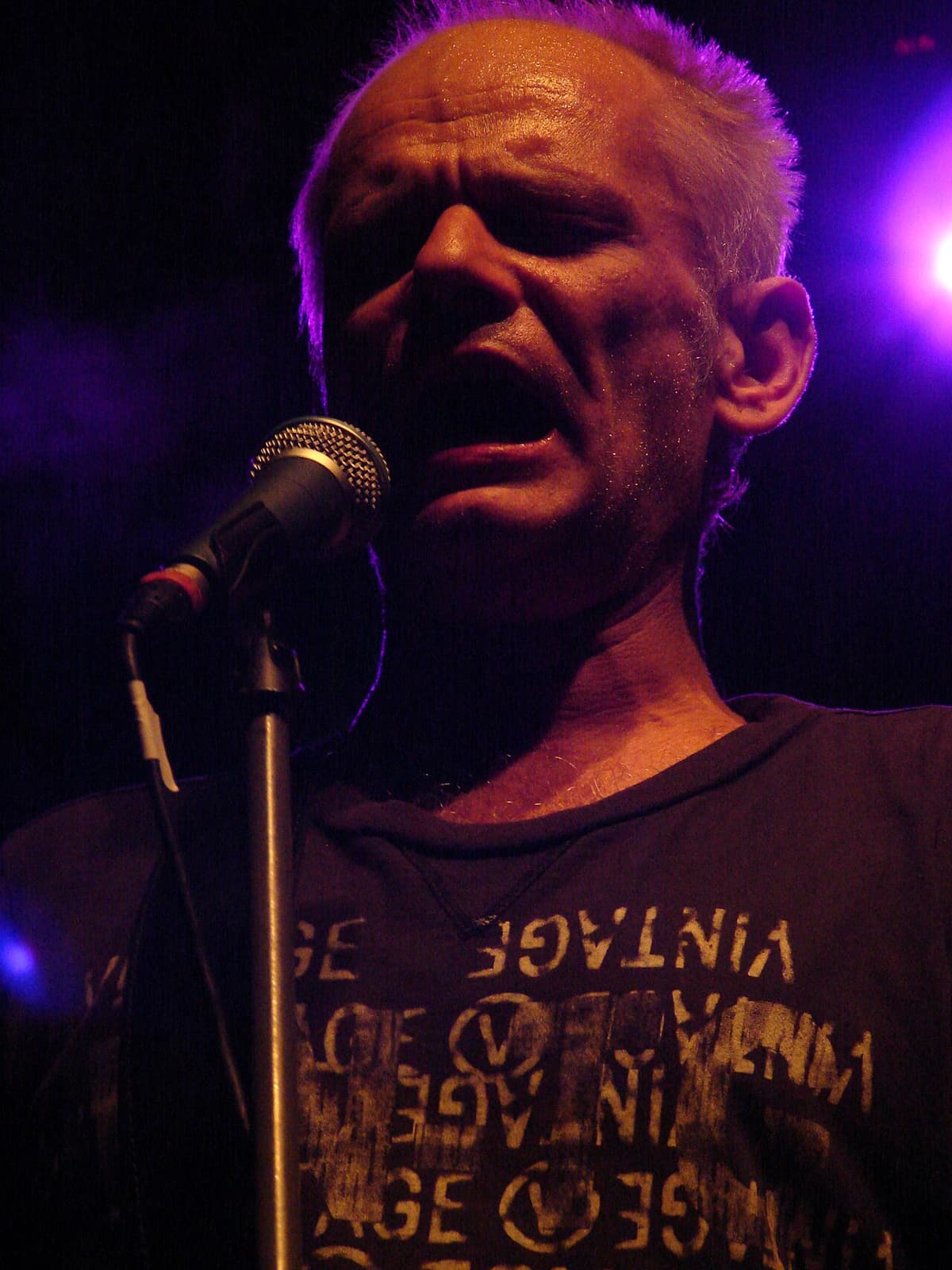
The Pop Group were an English rock band formed in Bristol in 1977 by vocalist Mark Stewart, guitarist John Waddington, bassist Simon Underwood, guitarist/saxophonist Gareth Sager, and drummer Bruce Smith. Their work in the late 1970s crossed diverse musical influences including punk, dub, funk, and free jazz with radical politics, helping to pioneer post-punk music. The group released two albums, Y (1979) and For How Much Longer Do We Tolerate Mass Murder? (1980), and singles such as "She Is Beyond Good and Evil" and "We Are All Prostitutes" (both 1979), then split in 1981. Its members worked on a variety of subsequent projects, including New Age Steppers and Rip Rig + Panic. In 2010, the band reunited, touring and releasing new material as well as reissuing their back catalogue on Freaks R Us. Stewart and Waddington both died in 2023.
Shares post-punk, dub, art rock (subgenres); reverb heavy, lo fi, noise textured (production style)
Shares brooding, intense, anxious (moods); urban night, basement show, fog (atmosphere)
Shares lo fi, reverb heavy, tape saturation (production style); basement show, urban night, fog (atmosphere)
Shares lo fi, reverb heavy, noise textured (production style); basement show, urban night, fog (atmosphere)
Shares reverb heavy, noise textured, lo fi (production style); post-punk, art rock, dub (subgenres)
Shares defiant, anxious, brooding (moods); basement show, urban night, fog (atmosphere)
Shares urban night, basement show, fog (atmosphere); noise textured, lo fi, layered dense (production style)
Shares reverb heavy, noise textured, lo fi (production style); basement show, urban night, fog (atmosphere)
Shares urban night, basement show, fog (atmosphere); post-punk, art rock (subgenres)
Shares no wave, dub, post-punk, saxophone (subgenre)
Cassette uses generative AI to enrich its catalog. How we use AI →