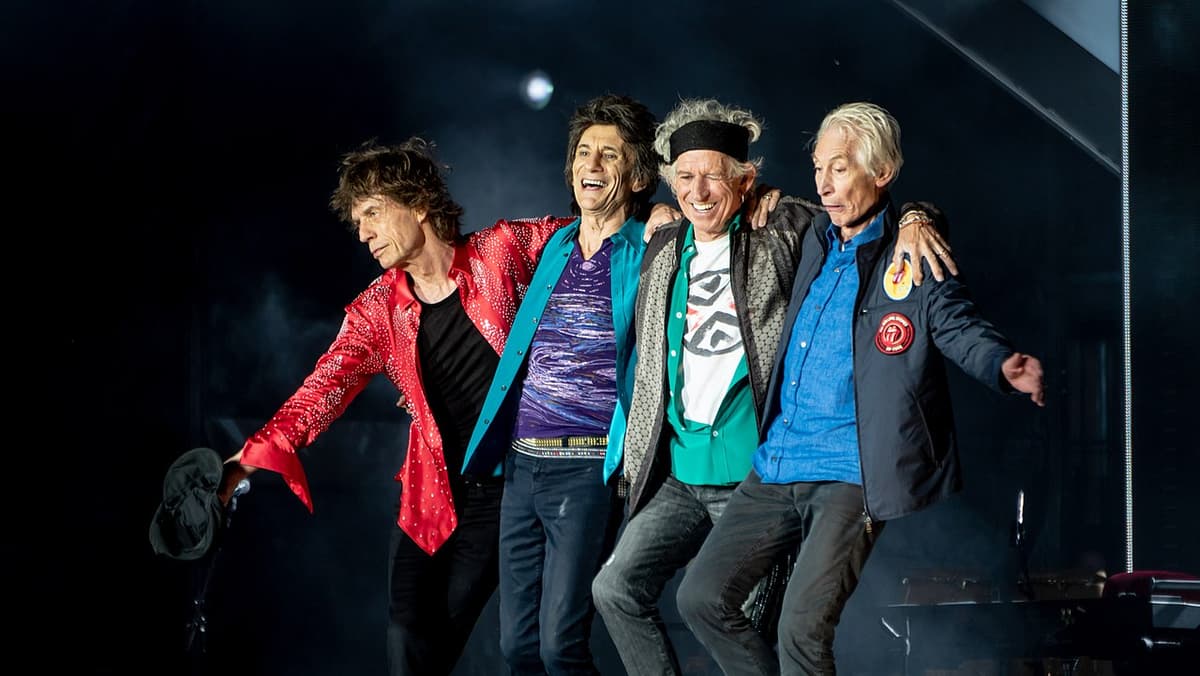
The Rolling Stones
Gritty, swaggering rock and roll with a swinging blues heart. Loose guitar interplay and a sneering energy perfect for high-speed drives and late-night defiance.
Gritty, swaggering rock and roll with a swinging blues heart. Loose guitar interplay and a sneering energy perfect for high-speed drives and late-night defiance.
Formed in London in 1962, The Rolling Stones began as a Chicago blues cover band before developing into the archetype of the gritty, dual-guitar rock outfit.
Led by the songwriting partnership of vocalist Mick Jagger and guitarist Keith Richards, the group built their sound on a rhythmically driven foundation originally anchored by drummer Charlie Watts and bassist Bill Wyman. Over more than six decades, they transitioned from the vanguard of the 1960s British Invasion to a permanent touring institution, maintaining a raw, blues-rooted style through numerous lineup shifts, including the key additions of guitarists Mick Taylor and Ronnie Wood.

A buzzing, fuzz-drenched electricity crackles through this collection, marking the moment where a proprietary snarl replaces respectful imitation. The air feels thick and humid, capturing a raw, unpolished friction between the guitars while the vocals carry a new, cynical social critique. It balances sophisticated soul with a restless, garage-rock urgency that actively challenges the pop landscape.
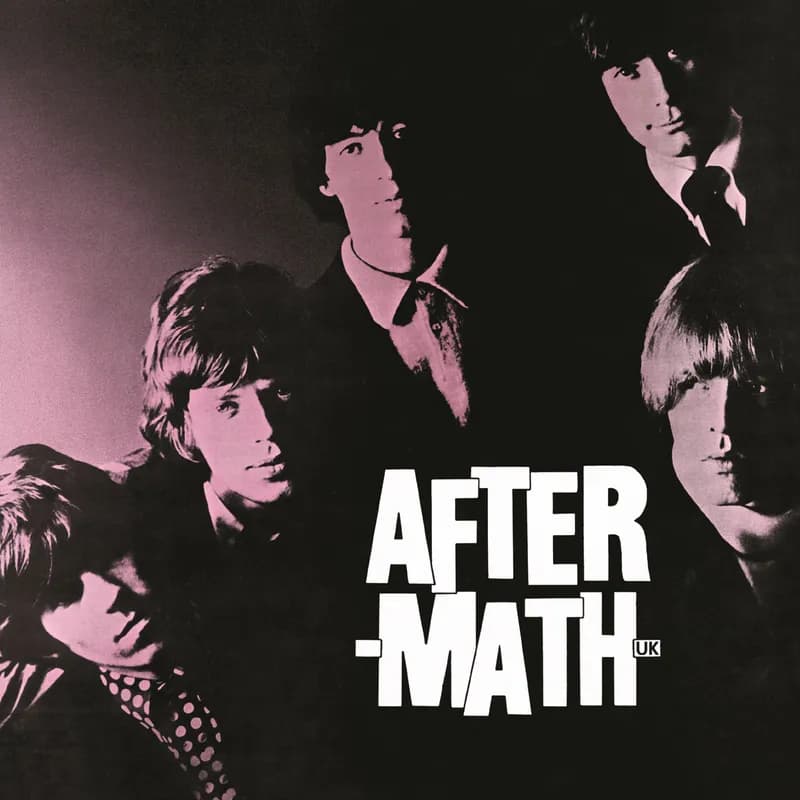
A cold, psychological tension replaces the band's early R&B warmth on this all-original collection. The air feels thick with a late-night cynicism, trading straightforward blues structures for exotic instrumental textures that sound both expensive and deeply unsettling. A dry, clinical production frames the performances, allowing acoustic elements to sit uncomfortably close to sharp, buzzing guitar work.

A dry, wooden rattle of acoustic guitars and hand percussion replaces the drug-hazed studio experiments of the past year. The air feels thick with a humid, dangerous tension, capturing a band that has traded pop polish for a cynical, dirt-caked roots music that sounds as if it were recorded on a cheap cassette machine in a backroom. It is a menacing, stripped-back return to form, where the acoustic instruments are played with such rhythmic violence that they buzz and distort like electric amplifiers.

A dark, apocalyptic dread hangs over these nine tracks, capturing the sound of a decade's optimism curdling into paranoia. The air is thick with a humid, dangerous tension, where the guitars weave and bite across a deep, analog landscape that feels physically heavy. It is a record of stark contrasts, moving effortlessly from high-society decadence to a weary, country-inflected soulfulness that suggests survival rather than mere rebellion.
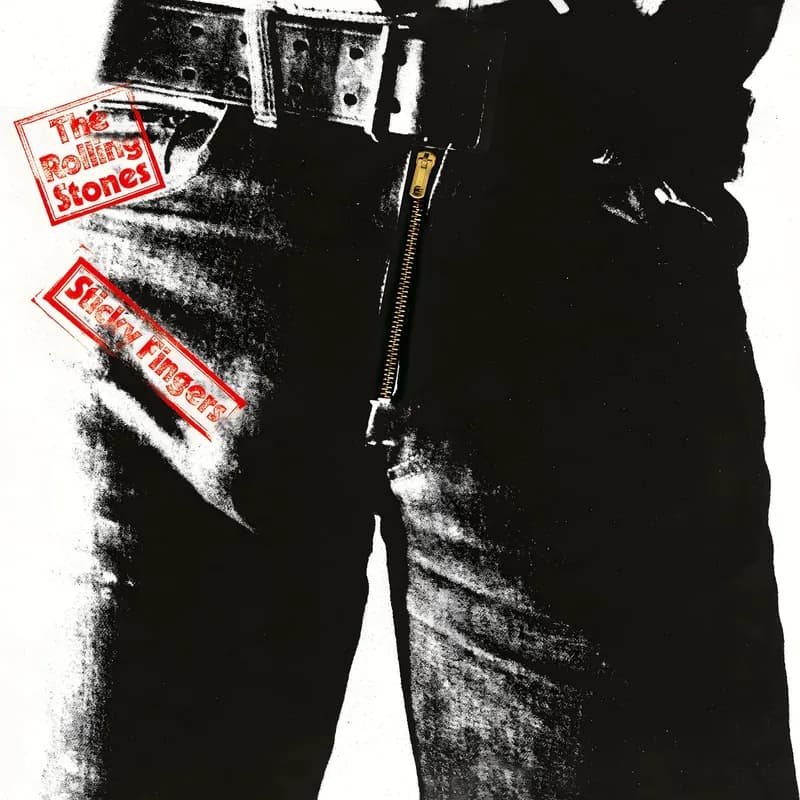
A thick, drug-weary decadence hangs over these ten tracks, capturing a band that has traded raw rebellion for a sophisticated, late-night isolation. The sonic landscape feels heavy and humid, allowing Mick Taylor's fluid, expressive lead guitar to weave seamlessly through a dense, brass-accented pocket. It is a record of stark dualities, where the swagger of the street-level rock star sits uncomfortably close to fragile, desolate acoustic ballads that sound entirely untethered from the world.
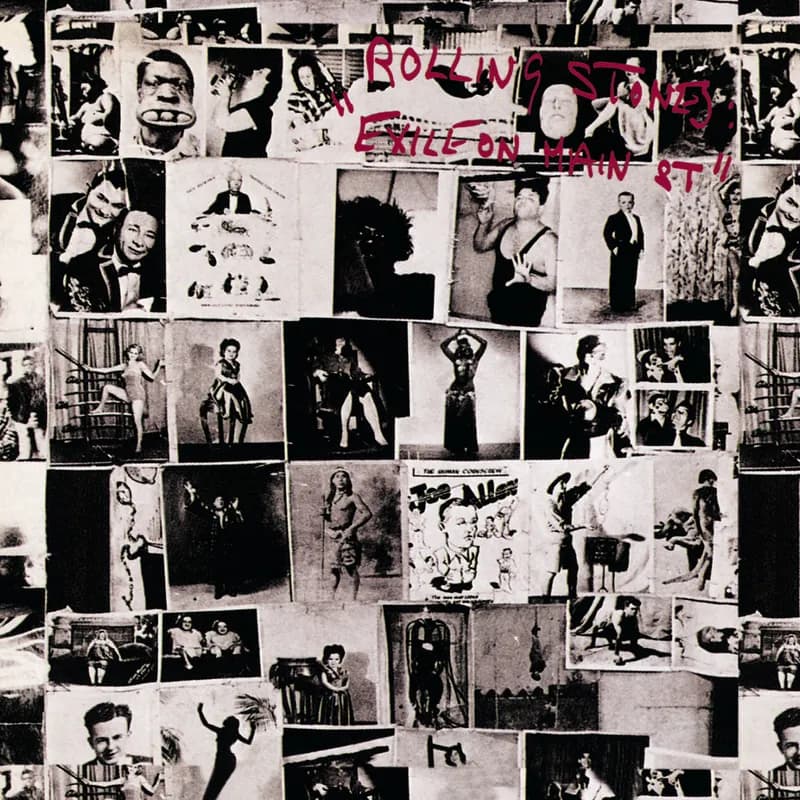
A humid, claustrophobic murk rises from this sprawling double album, where the vocals fight to be heard through a dense sludge of interlocking guitars and honky-tonk piano. Recorded in the damp basement of a rented villa in the South of France, the music carries a heavy, lived-in fatigue that feels both chaotic and deeply spiritual. It is a record of ordered chaos, trading the polished sheen of modern studios for a gritty, tape-hissed exploration of gospel, country, and raw American roots.

A lean, predatory street-level snarl defines this sharp-edged Manhattan dispatch. The group strips away years of mid-decade bloat, absorbing the frantic velocity of punk and the four-on-the-floor pulse of underground dance floors into a raw, three-guitar attack. It is a record that smells of exhaust fumes and cheap gin, delivering a cynical yet celebratory portrait of a city on the edge.
The veteran group endures as a remarkably functional touring machine and a living archive of rock history.
Having outlasted their contemporaries and survived the loss of key architects, they continue to deliver polished, high-energy stadium spectacles alongside occasional returns to their roots. Their sprawling body of work stands not as a sacred monument, but as a durable, working manual of electric blues and rhythmic endurance, proving that their chemistry is less about youth than a shared, lifelong muscle memory.
Shares defiant, rebellious, energetic (moods); analog_warmth, live_recording, tape_saturation (production style)
Shares blues rock, classic rock, psychedelic rock (subgenres); dive_bar, urban_night, road_trip (atmosphere)
Shares blues rock, classic rock, psychedelic rock (subgenres); analog_warmth, live_recording, tape_saturation (production style)

Shares blues rock, classic rock, psychedelic rock (subgenres); analog_warmth, live_recording, tape_saturation (production style)
Shares analog_warmth, lo_fi, live_recording (production style); dive_bar, urban_night, road_trip (atmosphere)
Shares dive_bar, urban_night, road_trip (atmosphere); blues rock, classic rock (subgenres)
Shares defiant, rebellious, energetic (moods); dive_bar, urban_night, road_trip (atmosphere)
Shares rebellious, energetic, defiant (moods); analog_warmth, live_recording, lo_fi (production style)
Cassette uses generative AI to enrich its catalog. How we use AI →