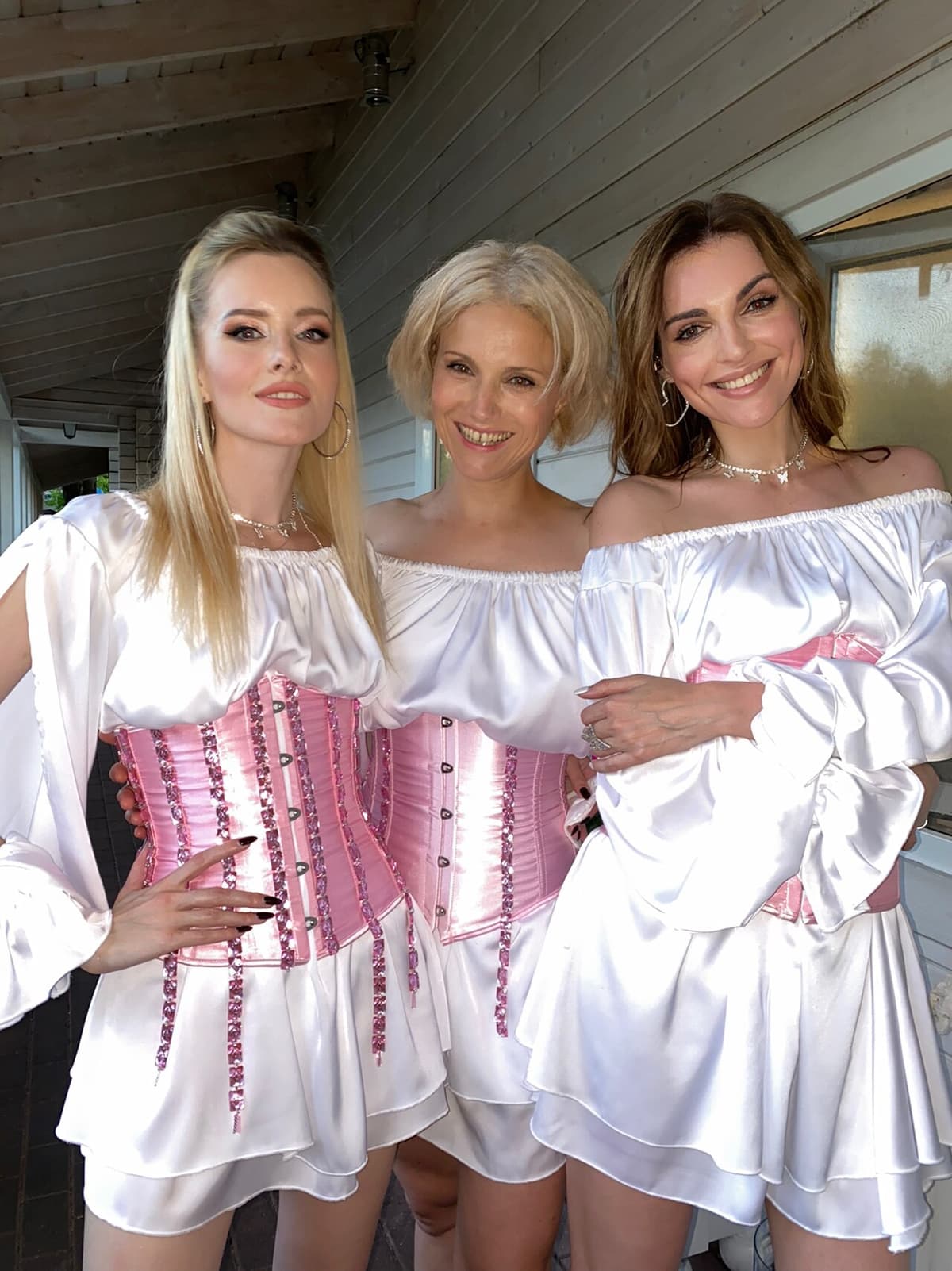
Фабрика
Polished 2000s Russian pop with a folk-inspired heart. Shimmering vocal harmonies and bright synths that feel like a nostalgic summer evening in Moscow.
Polished 2000s Russian pop with a folk-inspired heart. Shimmering vocal harmonies and bright synths that feel like a nostalgic summer evening in Moscow.
Fabrika embodies the golden era of Russian reality-TV pop, delivering a sound that is both meticulously produced and surprisingly organic. Their music is defined by a specific blend of upbeat Eurodance rhythms and melodic structures borrowed from traditional Slavic folk. It is the sound of a very specific time and place, capturing the optimism and shimmering artifice of the early 2000s Moscow music scene.
What truly sets them apart from their girl-group contemporaries is the vocal arrangement. Rather than focusing on a single lead, their tracks rely on tight, three-part harmonies that give even their most electronic songs a communal, campfire-like warmth. There is a theatricality to their delivery, often leaning into a 'factory girl' persona that mixes working-class storytelling with high-gloss pop aesthetics.
Start with their debut era hits like 'Pro Lyubov' or 'Devushki Fabrichnye.' These tracks perfectly showcase their ability to turn simple, repetitive hooks into massive cultural moments. It is essential listening for anyone wanting to understand the DNA of modern Russian pop or those simply looking for music that feels like a permanent summer vacation.
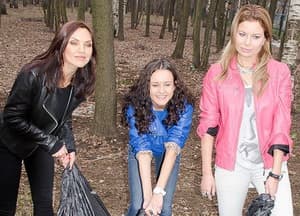
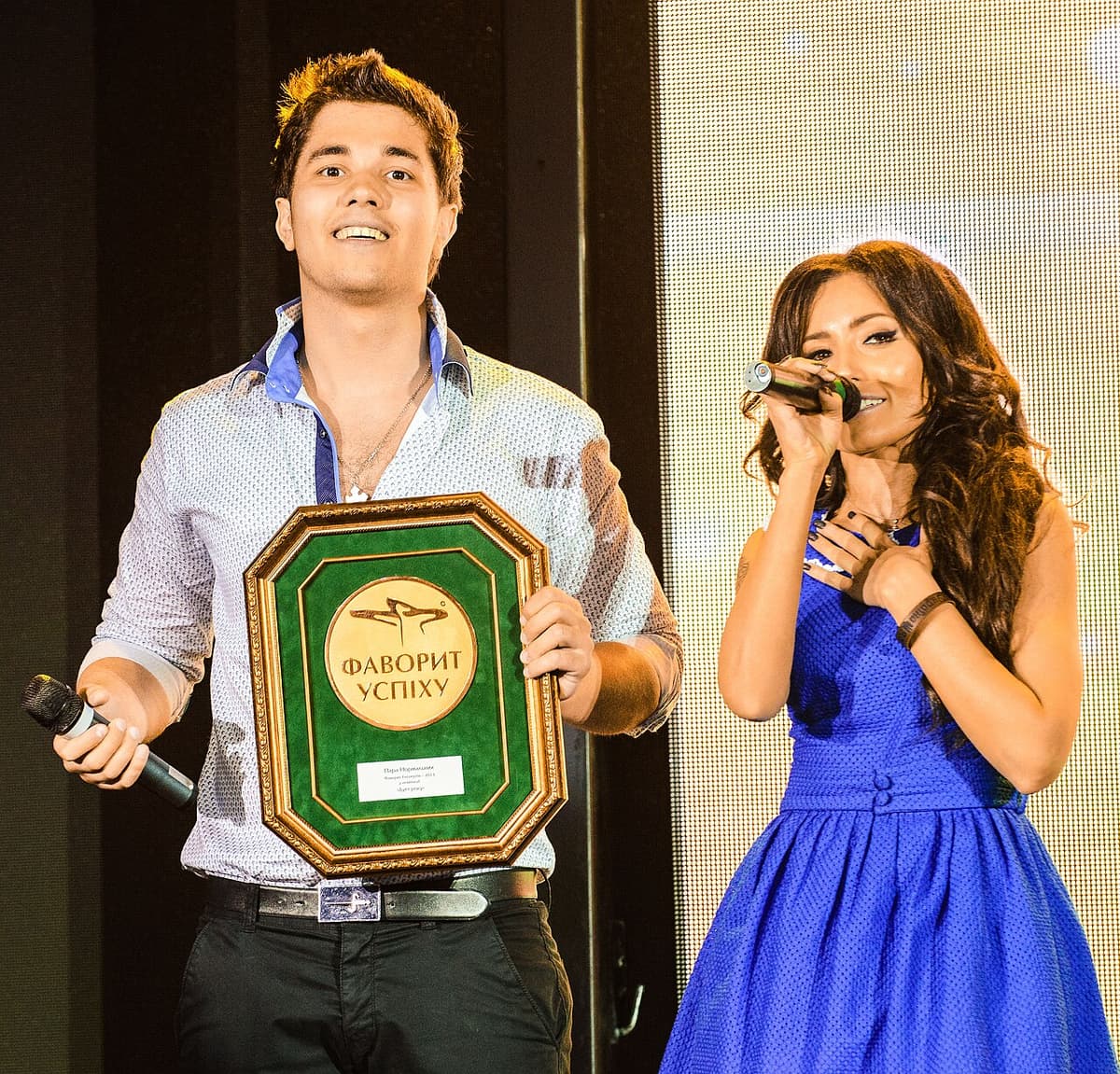
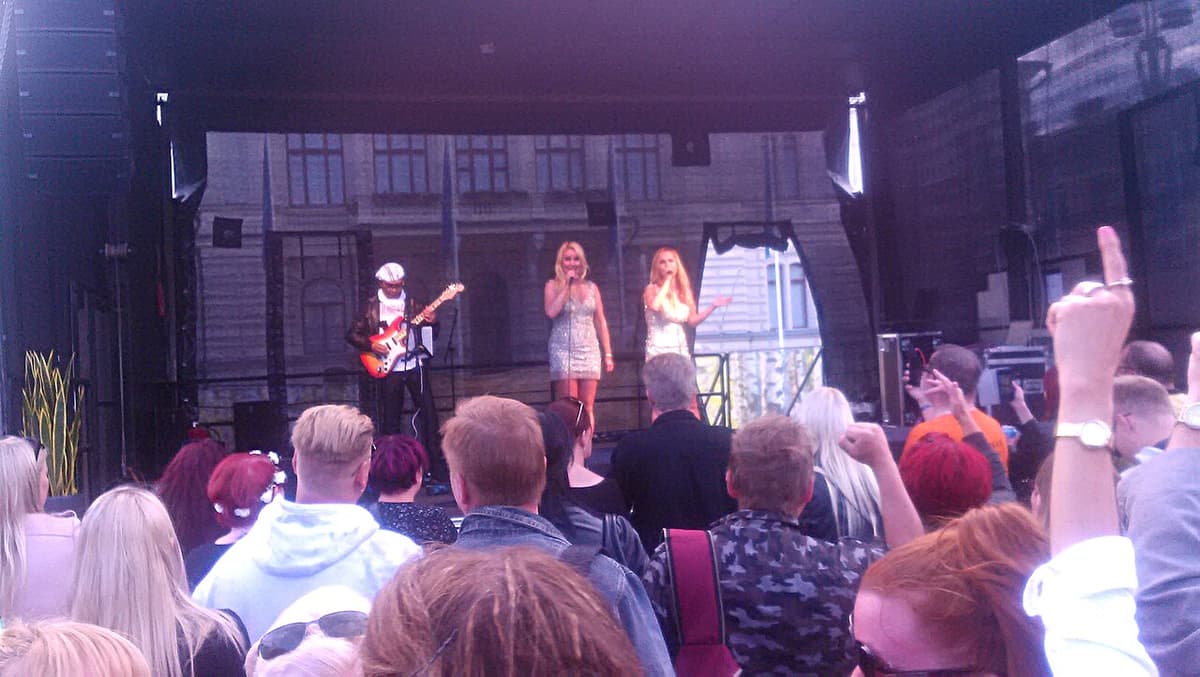
Fabrika (Russian: Фабрика; Factory in English) is a Russian pop girl group, originally from Moscow. Initially a four-piece, Fabrika was created from four female participants from the first season of the Russian musical reality show Fabrika Zvyozd in 2002, and included Irina Toneva, Sati Kazanova, Alexandra Savelyeva and Maria Alalykina. The line-up has had several profound changes since then. Long time a fully Russian group, Fabrika later acquired two Ukrainian-born members, Oleksandra Popova (2014-2021) and Mariya Honcharuk (2019-2022). As of 2019, Toneva was the only original member of the line-up. Throughout its two decades of activity, the group released two albums; Devushki fabrichnye (2003) and My takie raznye (2008). Among their most successful singles are "Pro lyubov", "Devushki fabrichnye", "Ne vinovataya ya", "Ne rodis' krasivoy" and "Sekret".
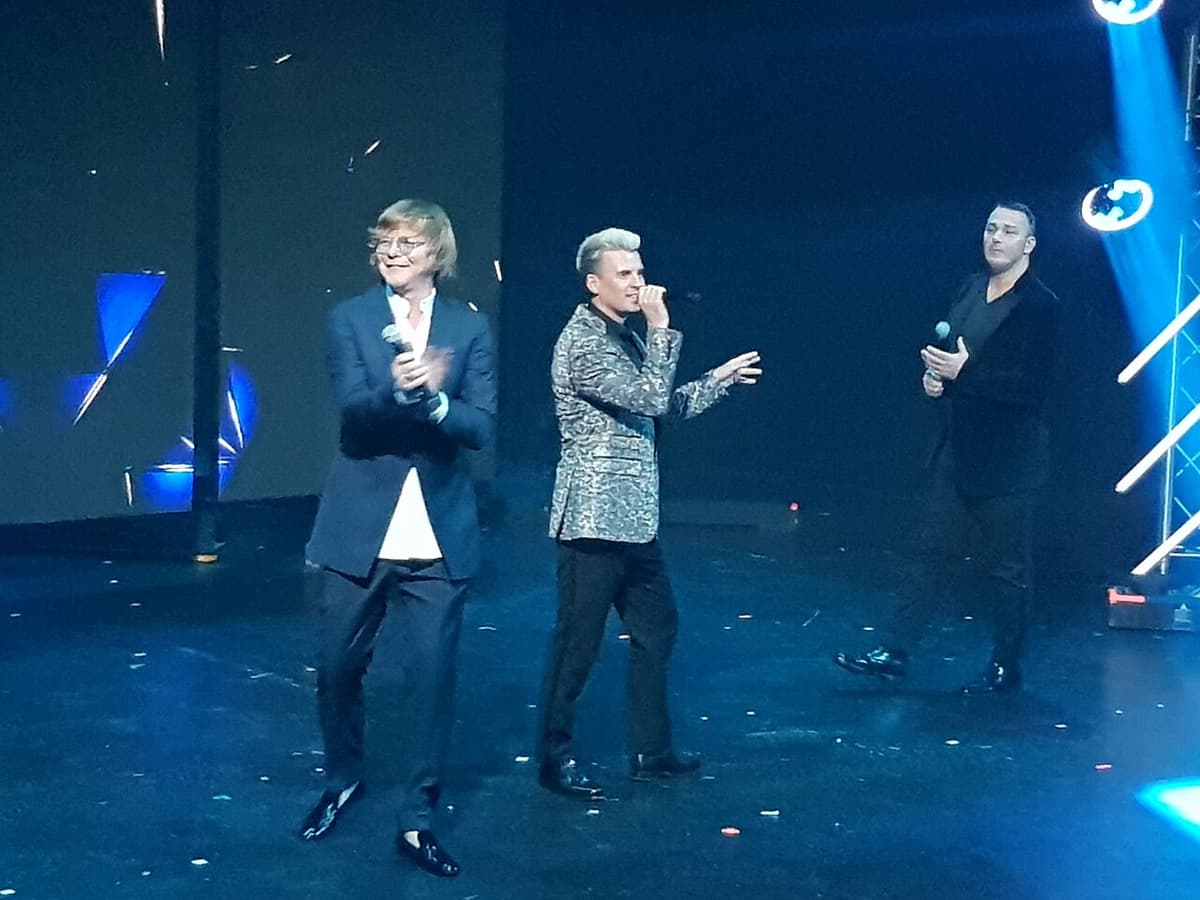
Shares dance-pop, eurodance (subgenres); studio polished, analog warmth, drum machine (production style)
Shares eurodance, dance-pop (subgenres); studio polished, maximalist, drum machine (production style)
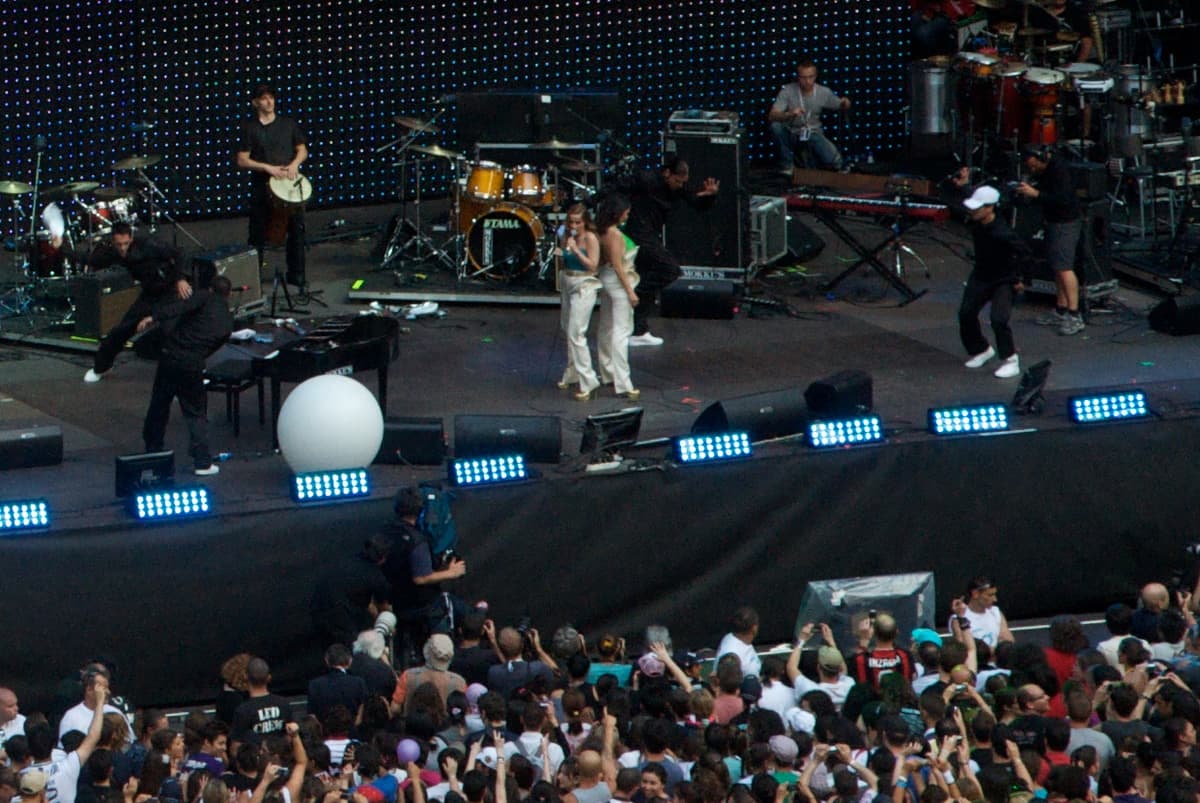
Shares dance-pop, folk rock (subgenres); studio polished, analog warmth, maximalist (production style)
Shares dance-pop, eurodance (subgenres); playful, nostalgic, romantic (moods)
Shares dance-pop, eurodance (subgenres); studio polished, maximalist, drum machine (production style)
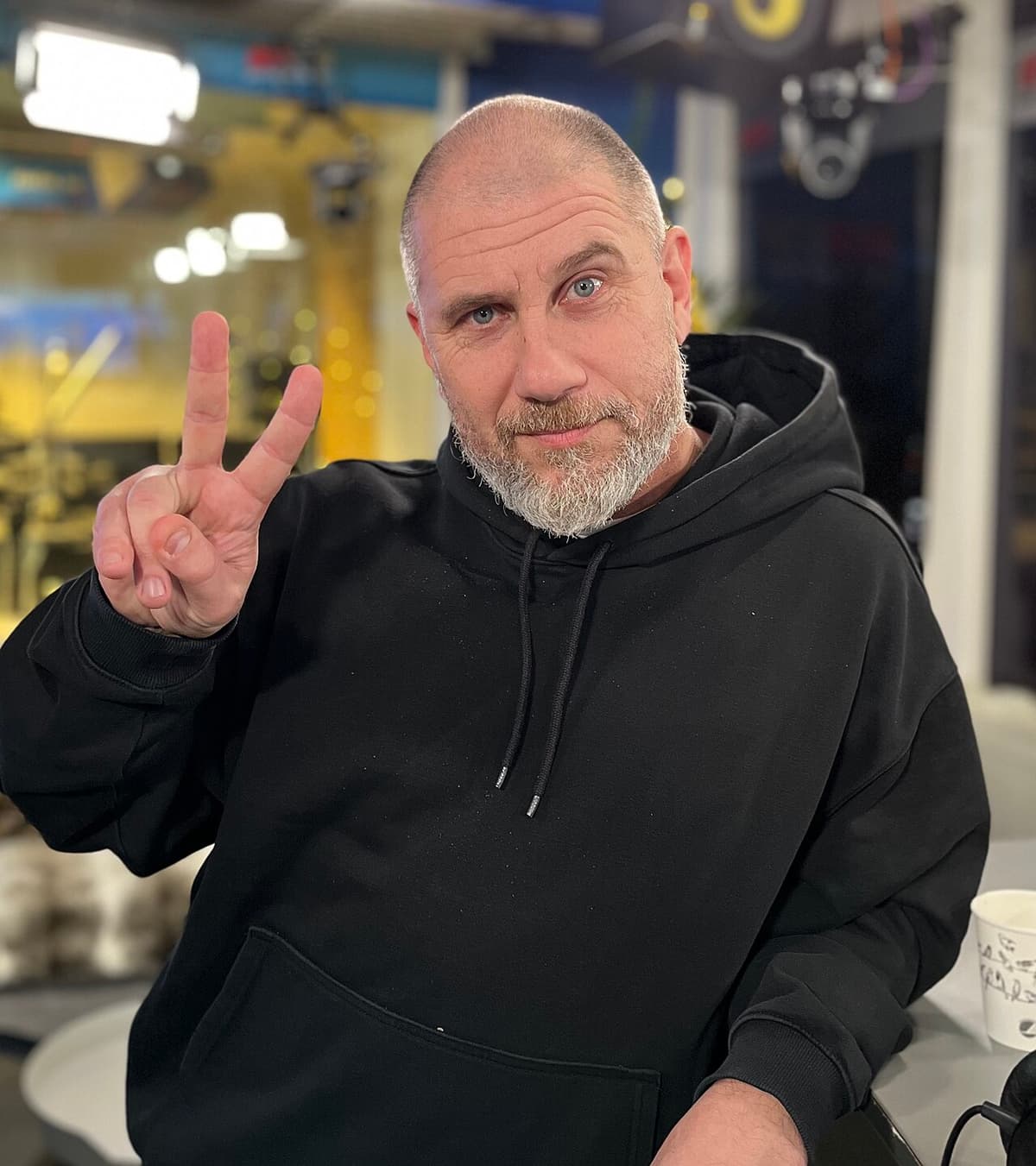
Shares dance-pop, eurodance (subgenres); studio polished, maximalist, drum machine (production style)
Shares eurodance, summer, harmonized, romantic (subgenre)
Cassette uses generative AI to enrich its catalog. How we use AI →