Listening to Megumi Hayashibara is like stepping into the golden age of 1990s Tokyo pop culture. Her sound is defined by a polished, maximalist production style that blends soaring synth melodies with driving rock guitars and occasional orchestral swells. It is music that feels inherently cinematic and narrative, carrying the emotional weight of the iconic characters she has voiced while maintaining a distinct, solo-artist identity.
What truly sets her apart is her vocal versatility. She possesses a unique ability to shift from a powerful, defiant belt to a soft, introspective whisper, often within the same track. Because of her background as a voice actress, her phrasing is exceptionally expressive, treating every lyric as a piece of a larger story. There is a sense of earnestness and 'ganbare' spirit in her music that is infectious, making even her more melancholic tracks feel ultimately hopeful.
For those looking to dive in, 'Enfleurage' is the essential starting point, capturing her peak 90s aesthetic. If you want the high-octane energy of her most famous themes, 'Give a reason' is a mandatory listen. It is the perfect soundtrack for moments when you need to feel like the protagonist of your own life, moving forward with purpose and a bit of nostalgic flair.
Megumi Hayashibara (林原 めぐみ, Hayashibara Megumi; born March 30, 1967) is a Japanese voice actress, singer, lyricist and radio personality from Kita ward in Tokyo and is affiliated with self-founded Woodpark Office. One of the most prominent Japanese voice actresses since the 1990s, Hayashibara is best known for her roles in Neon Genesis Evangelion, Saber Marionette J, Magical Princess Minky Momo, Mashin Hero Wataru, Ranma ½, Cowboy Bebop, Slayers, Detective Conan, Pokémon, All Purpose Cultural Catgirl Nuku Nuku, Hello Kitty, Video Girl Ai, and Shaman King for which she also performed various OP and ED themes in both the 2001 and 2021 adaptations.


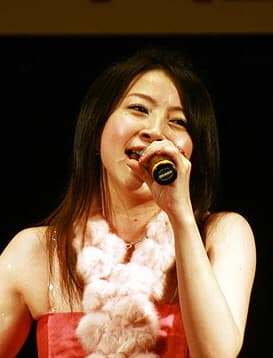
Shares synth-pop, dance-pop (subgenres); studio polished, maximalist, orchestral arrangement (production style)
Shares synth-pop, dance-pop (subgenres); hopeful, triumphant, energetic (moods)
Shares synth-pop, dance-pop (subgenres); hopeful, triumphant, energetic (moods)
Shares energetic, hopeful, triumphant (moods); studio polished, maximalist, layered dense (production style)
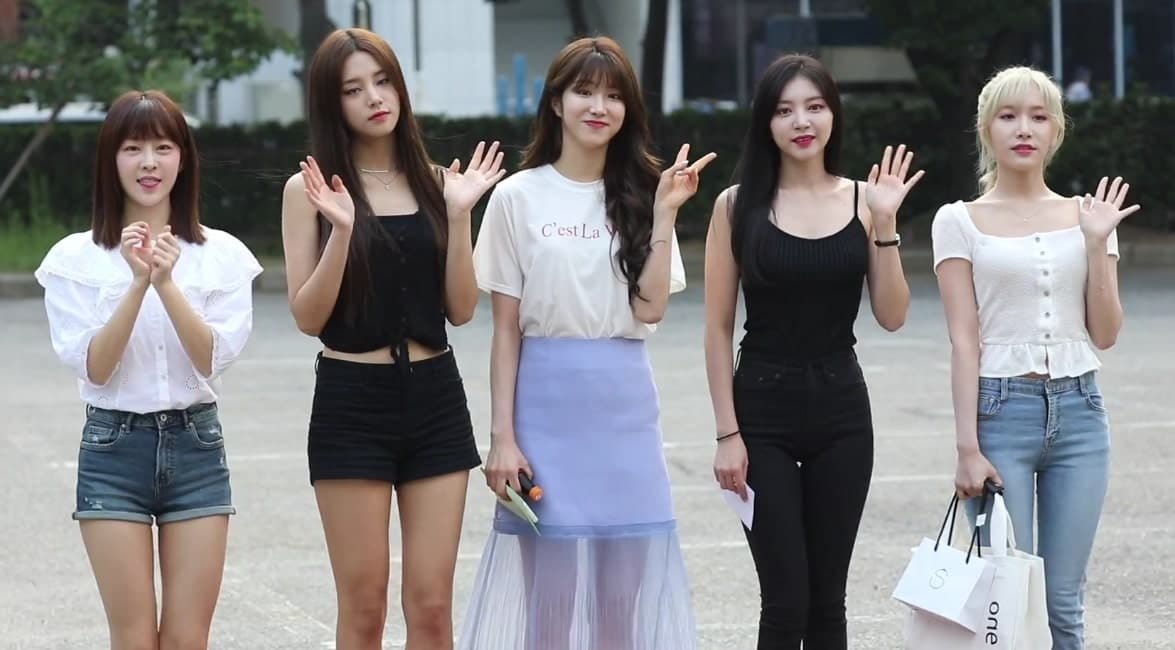
Shares synth-pop, dance-pop (subgenres); studio polished, analog warmth, maximalist (production style)
Shares synth-pop, dance-pop (subgenres); studio polished, layered dense (production style)
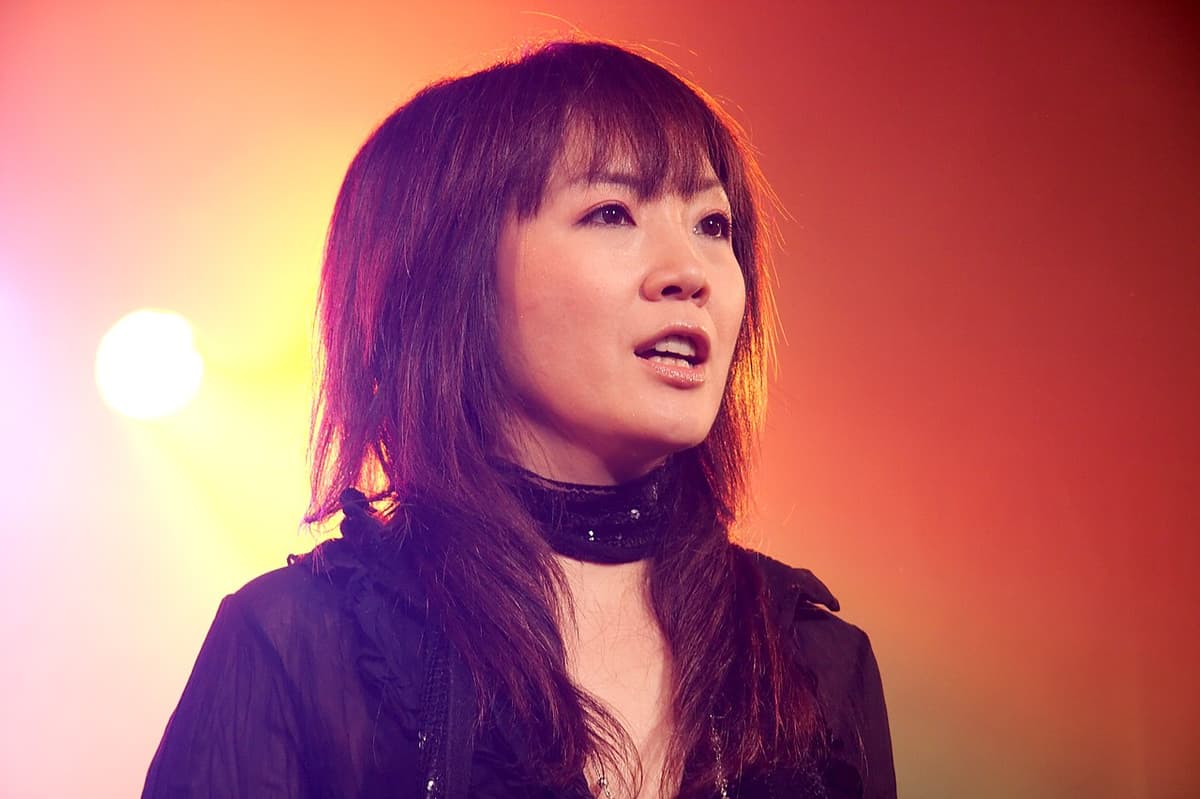
Shares synth-pop, dance-pop (subgenres); maximalist, studio polished, layered dense (production style)

Shares studio polished, orchestral arrangement, analog warmth (production style); hopeful, triumphant, nostalgic (moods)


Shares synth-pop, dance-pop (subgenres); studio polished, analog warmth, orchestral arrangement (production style)
Shares triumphant, hopeful, dance-pop, synth-pop (mood)

Cassette uses generative AI to enrich its catalog. How we use AI →