Kishidan sounds like a technicolor collision between a 1950s greaser rally and a 1980s Japanese schoolyard brawl. Their music is anchored by driving punk-rock riffs and surf-inflected guitar leads, but it is frequently interrupted by glittery disco synths and massive, stadium-sized pop hooks. The vocals are delivered with a distinctive nasal sneer that manages to be both tough and winkingly theatrical, backed by a wall of gang-vocal harmonies that make every song feel like a brotherhood anthem.
What truly sets them apart is their commitment to the 'Yankii' subculture aesthetic. This is not just music; it is a performance art piece involving choreographed dance moves, elaborate school uniform costumes, and a deep reverence for Showa-era nostalgia. They balance a genuine punk-rock grit with a sense of humor that borders on parody, yet their dedication to the 'eternal teenager' persona makes the music feel surprisingly earnest and emotionally resonant.
Start with 'One Night Carnival' to understand their cultural impact. It is the definitive Kishidan experience, blending a catchy dance-rock beat with the kind of singalong chorus that has made them a staple of Japanese nightlife for decades. From there, dive into '1/6 Lonely Night' for a clearer picture of their early 2000s rock foundations.
Kishidan (Japanese: 氣志團) is a Japanese rock band, formed in 1997. They have a retro image, wearing gakuran school uniforms and pompadour hairdos in the style of 1980s Japanese yankīs. In 2006, the members had differences of opinions and decided to take a break as being in the band was losing its enjoyment. After three years, during which time lead singer Show Ayanocozey began a solo career as the "DJ Ozma" character that he created at Kishidan shows, Kishidan announced their comeback on January 27, 2009. Their song "Omae Dattanda", released on November 10, 2009, is the 11th ending theme song of Naruto Shippuden. They are signed to Avex Trax (影別苦須 虎津苦須 sub-label) and are managed by Sony Music Artists. Their song "Warera Omou, Yue ni Warera Ari", released on December 9, 2015, is the opening theme song of Kamen Rider Ghost.


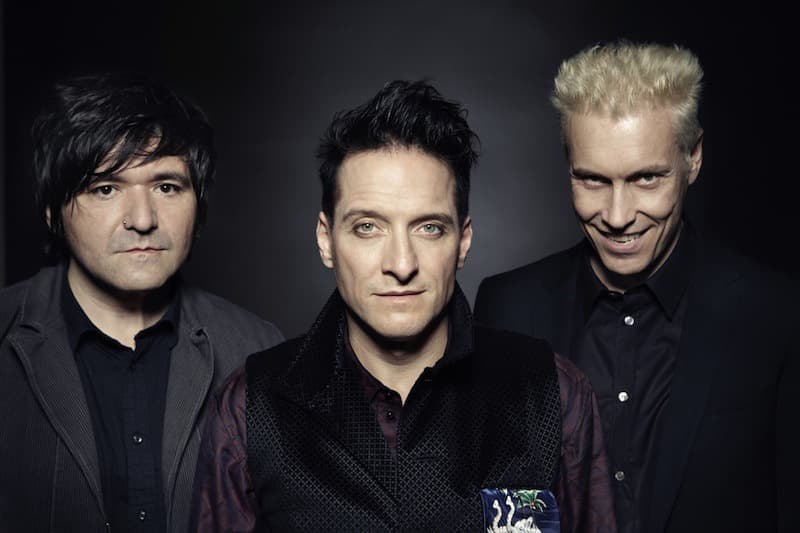
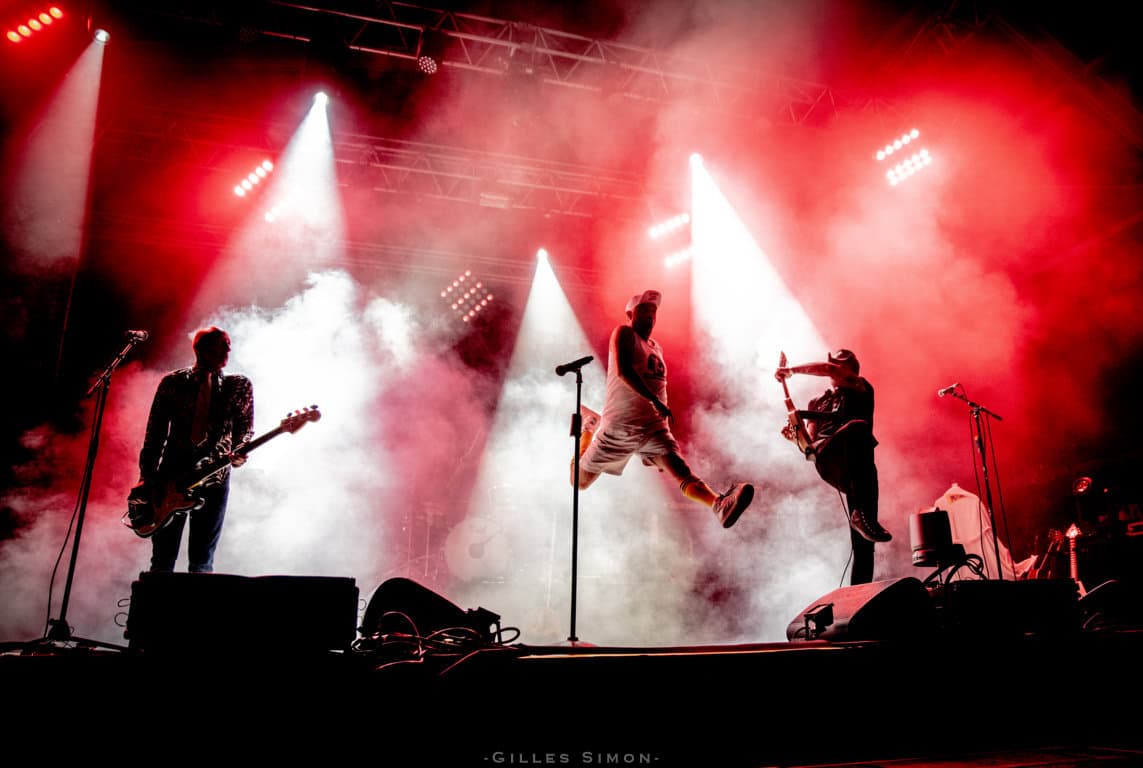

Shares punk rock, pop rock, garage rock (subgenres); live recording, studio polished, analog warmth (production style)
Shares studio polished, maximalist, live recording (production style); rebellious, playful, energetic (moods)
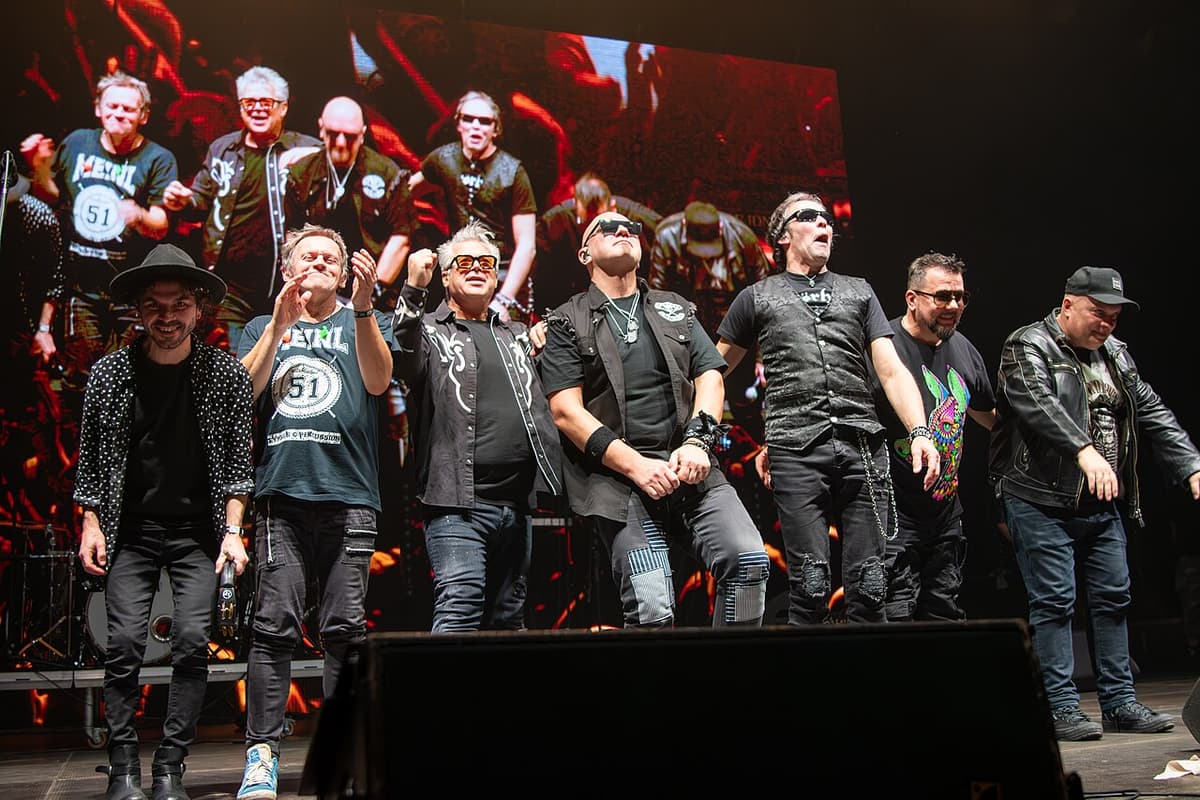
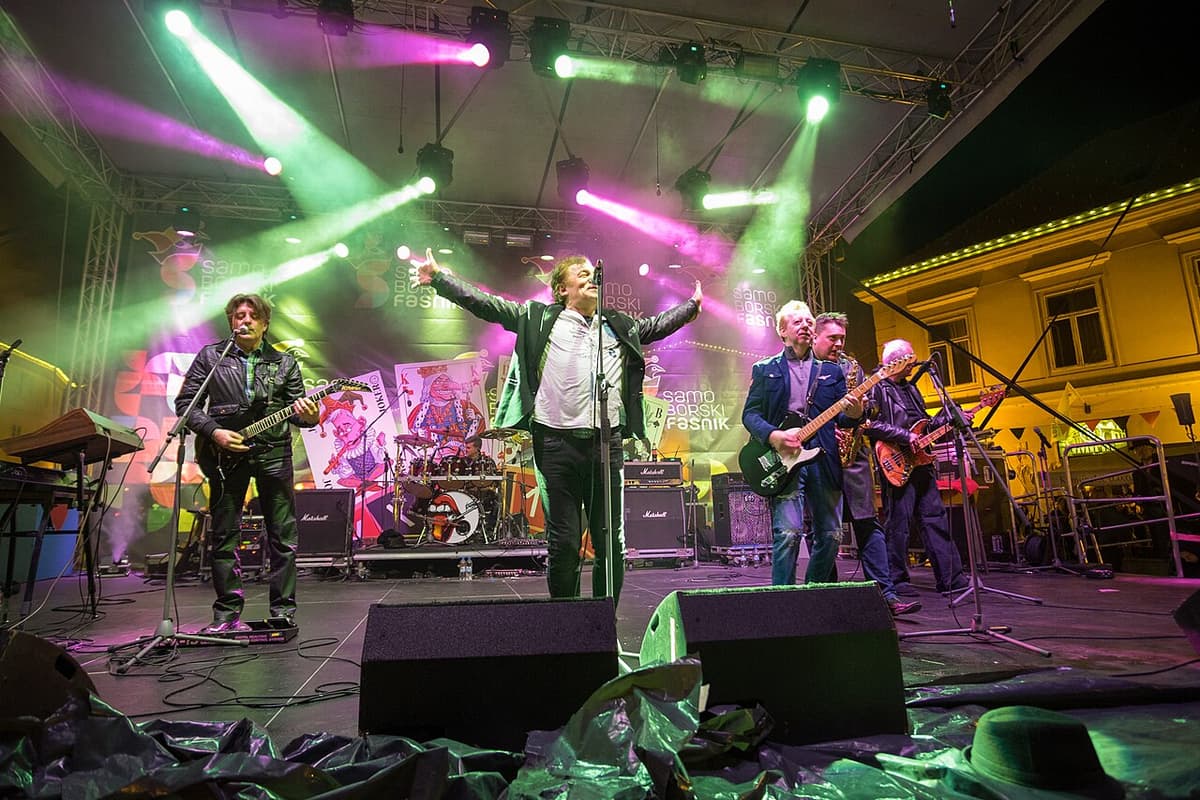
Shares studio polished, live recording, analog warmth (production style); rebellious, playful, energetic (moods)
Shares rebellious, playful, energetic (moods); punk rock, pop rock, new wave (subgenres)
Cassette uses generative AI to enrich its catalog. How we use AI →