Téléphone stands as the most significant French rock band of the late 20th century, effectively bridging the gap between the aggressive energy of punk and the commercial viability of stadium rock. Formed in 1976, the quartet - Aubert, Bertignac, Marienneau, and Kolinka - emerged at a time when French music was dominated by chanson or prog-rock.
They introduced a lean, guitar-driven sound heavily influenced by The Rolling Stones and The Who, but anchored by lyrics that spoke directly to the frustrations and aspirations of French youth. Their career arc saw them rise from the Parisian underground to opening for the Stones and selling millions of records before their 1986 dissolution. Critically, they are praised for their tight musicianship and the dual-guitar interplay between Aubert and Bertignac. Their cultural position is foundational; they proved that rock music could be sung in French without losing its rhythmic 'swing' or rebellious edge. Even decades after their split, their hits remain staples of French radio and cultural memory, influencing generations of subsequent 'Rock Français' acts.

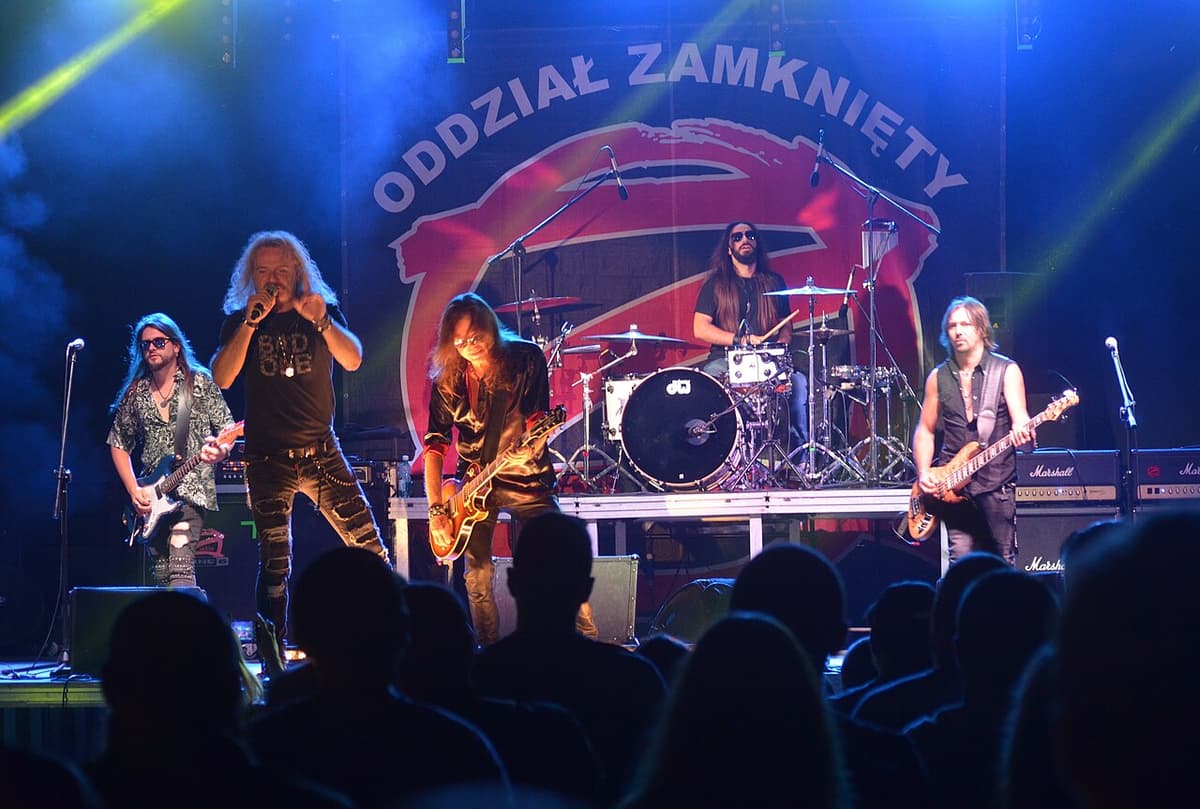
Shares live_recording, analog_warmth, dry_intimate (production style); rebellious, energetic, defiant (moods)
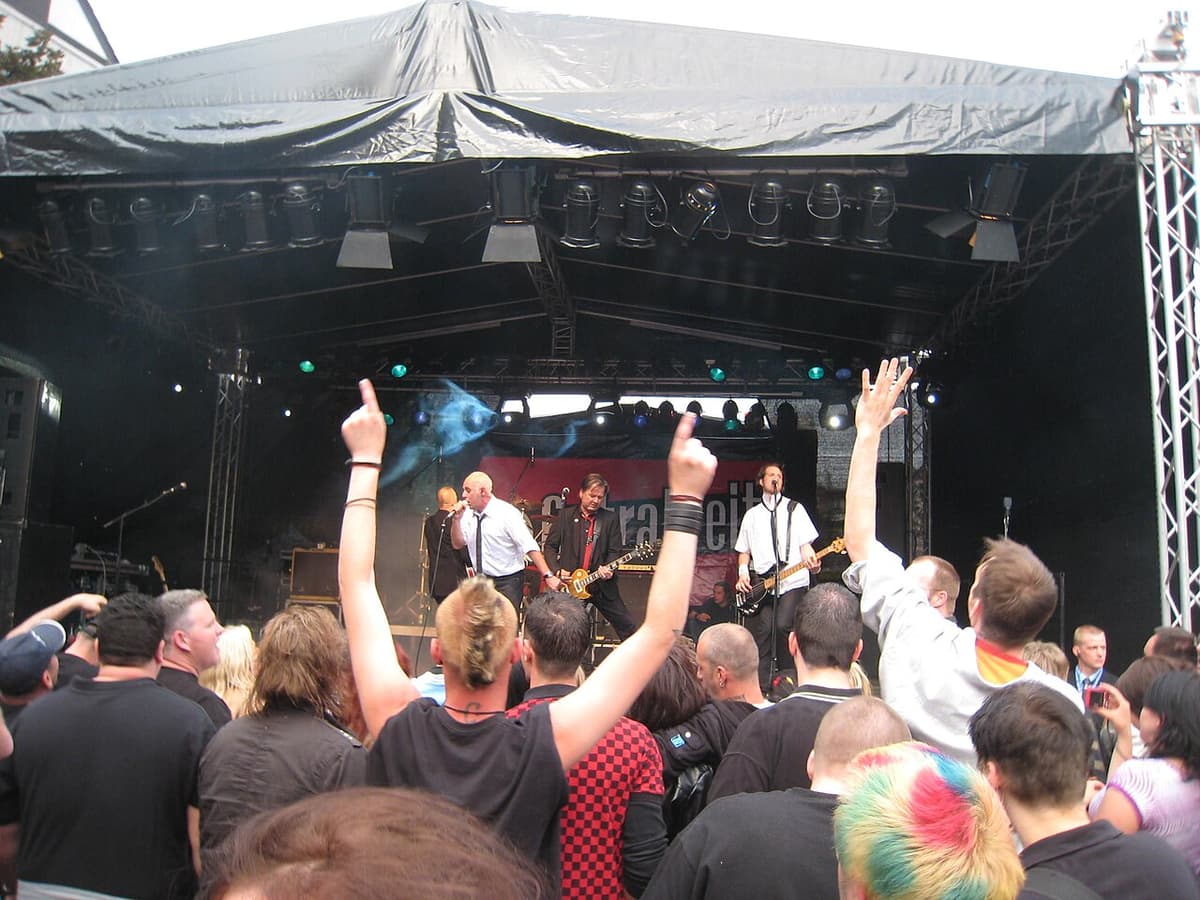
Shares rebellious, energetic, defiant (moods); live_recording, analog_warmth (production style)
Shares live_recording, analog_warmth, studio_polished (production style); rebellious, energetic, defiant (moods)
Shares rebellious, energetic, defiant (moods); basement_show, urban_night, festival (atmosphere)

Shares punk rock, new wave, hard rock (subgenres); basement_show, urban_night, festival (atmosphere)
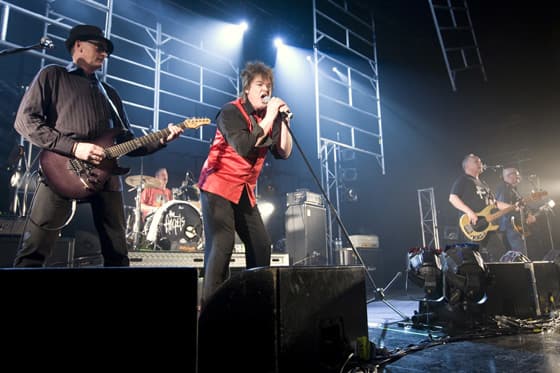
Shares live_recording, analog_warmth, dry_intimate (production style); hard rock, punk rock, classic rock (subgenres)
Shares rebellious, energetic, defiant (moods); basement_show, urban_night, festival (atmosphere)
Cassette uses generative AI to enrich its catalog. How we use AI →