Мастер
Aggressive, high-velocity Russian thrash metal defined by technical bass work and operatic vocal power. Intense energy for heavy lifting or high-speed commutes.
Aggressive, high-velocity Russian thrash metal defined by technical bass work and operatic vocal power. Intense energy for heavy lifting or high-speed commutes.
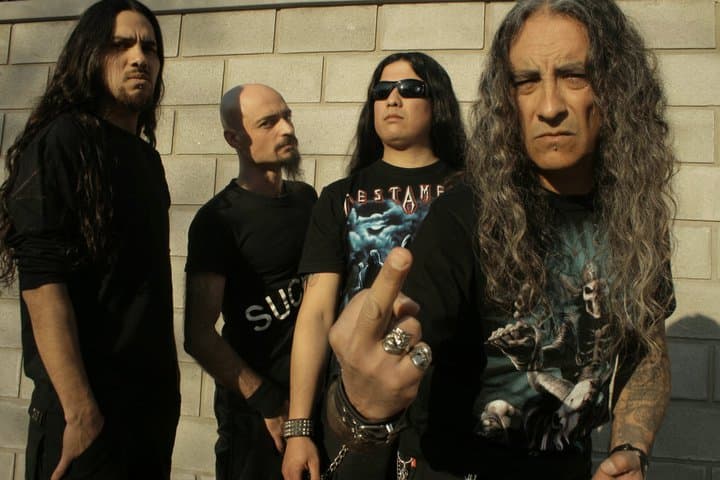
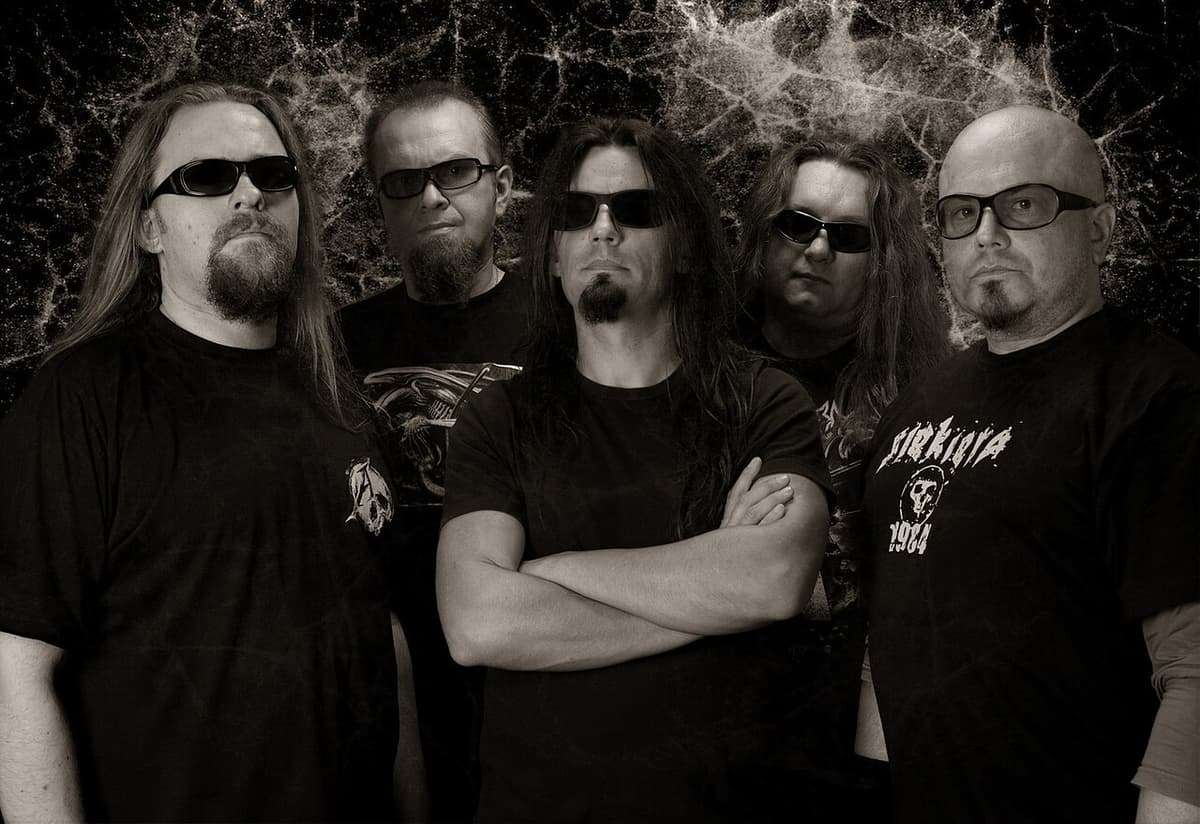
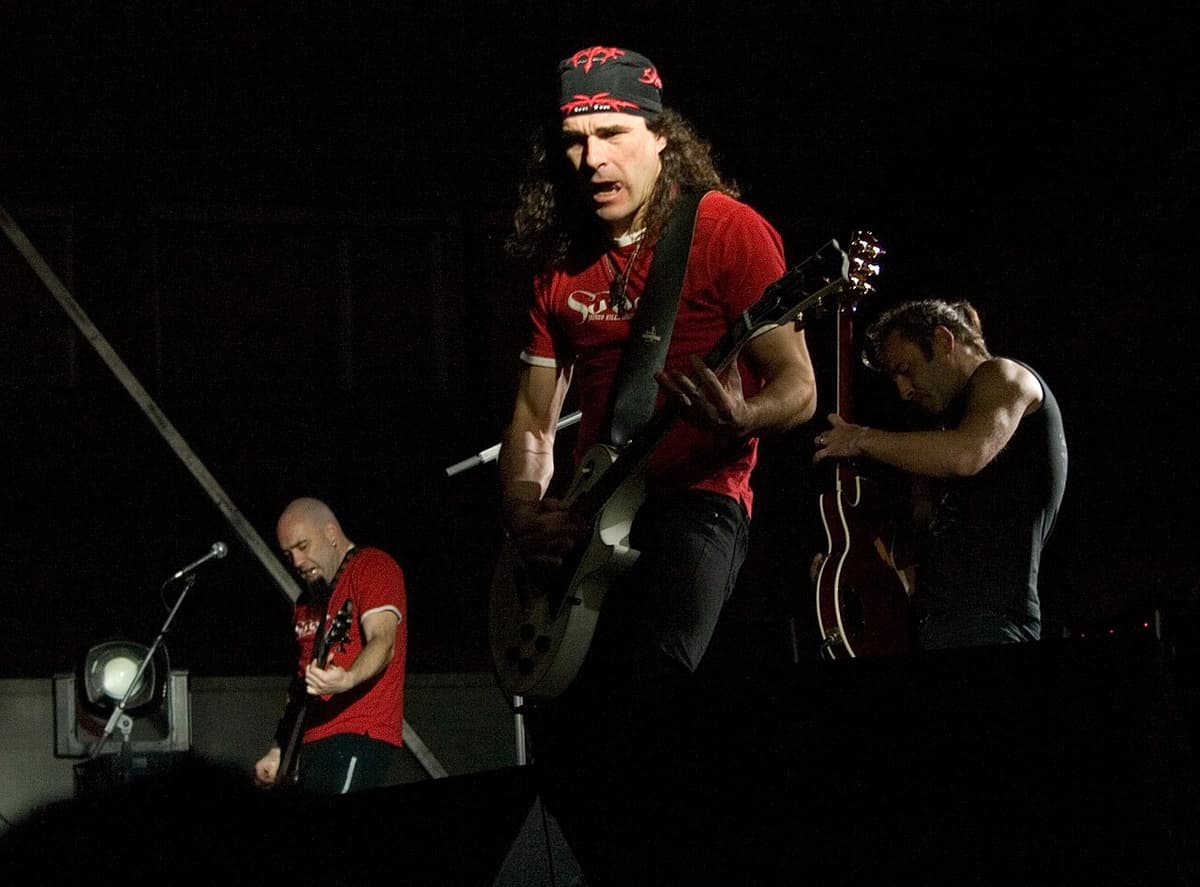
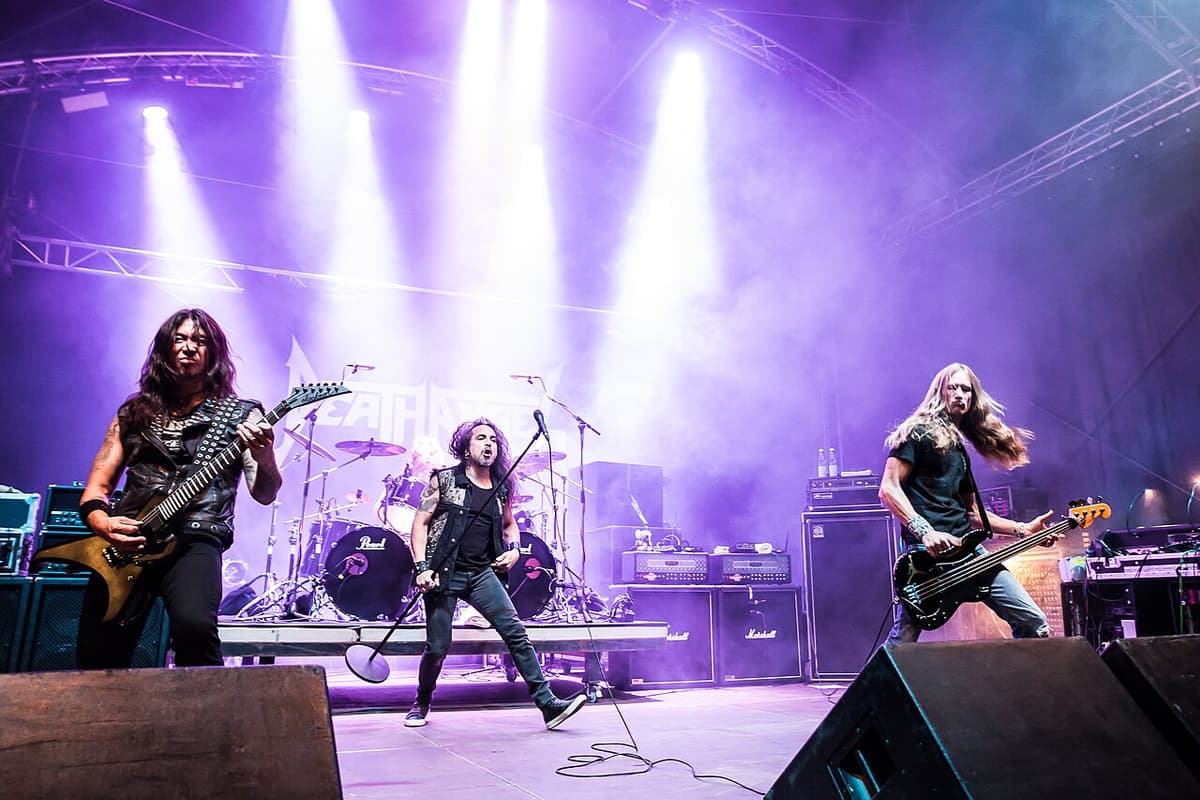
Master sounds like the precise moment Soviet heavy metal shed its melodic skin to reveal a jagged, thrash-oriented skeleton. It is music built on the foundation of galloping rhythms, dual-guitar attacks, and Alik Granovsky's uniquely prominent, distorted bass lines that often take the spotlight usually reserved for lead guitar. The production across their classic era carries a gritty, analog weight that feels like a factory floor in mid-winter.
What truly sets them apart from their peers is the intersection of high-level musicianship and raw, sociopolitical aggression. While their predecessors in Aria leaned into the mythic and romantic, Master embraced the friction of the late 80s and early 90s. The vocals range from glass-shattering operatic heights to a more modern, gravelly snarl, reflecting the band's long evolution through various lineups while maintaining a core of technical proficiency.
Start with their self-titled debut for a taste of the transition from traditional heavy metal to thrash, or dive into 'Talk of the Devil' to hear them at their most internationally competitive. It is essential listening for anyone tracking the history of Eastern Bloc extreme music or those who appreciate thrash that doesn't sacrifice technical complexity for speed.
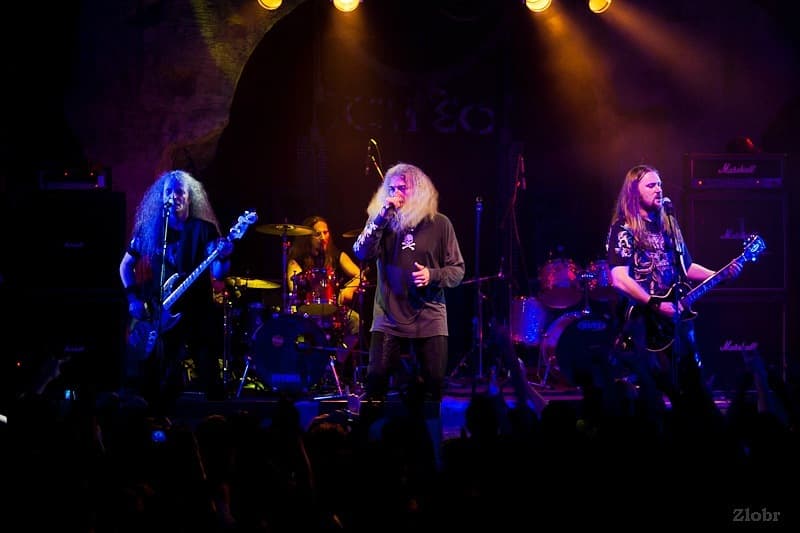
Master (Russian: Мастер) is a Russian thrash metal band founded in 1987 by former members of Aria.
Shares galloping palm muted riffs, thrash metal, progressive metal, heavy metal (detail)
Shares galloping palm muted riffs, thrash metal, heavy metal, rebellious (detail)
Shares thrash metal, heavy metal, rebellious, aggressive (signature)
Shares thrash metal, heavy metal, rebellious, aggressive (signature)
Shares thrash metal, progressive metal, heavy metal, aggressive (signature)
Shares thrash metal, progressive metal, heavy metal, aggressive (signature)
Cassette uses generative AI to enrich its catalog. How we use AI →