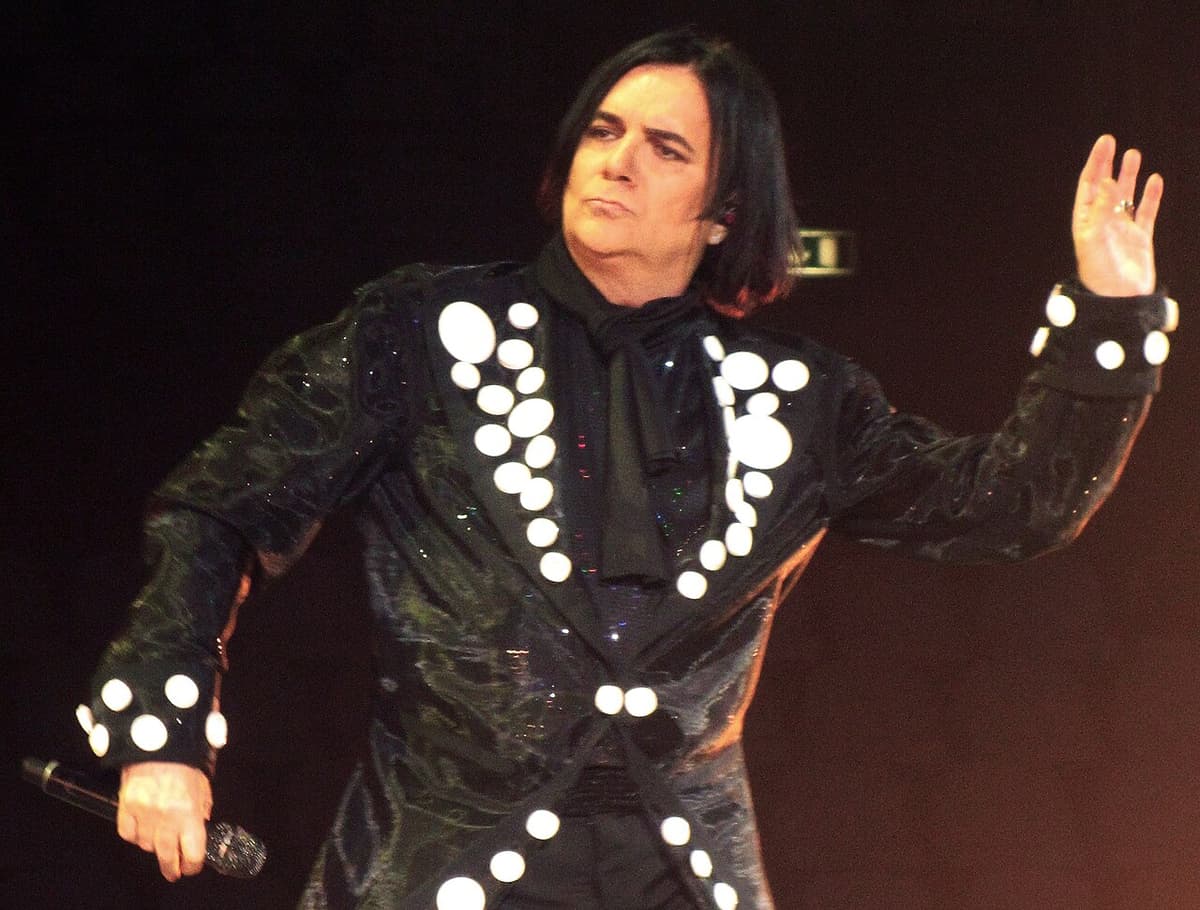
Алла Пугачёва
Grand, theatrical Russian pop that balances orchestral drama with intimate, husky storytelling. The definitive voice of a vanished era, soulful and fiercely defiant.
Grand, theatrical Russian pop that balances orchestral drama with intimate, husky storytelling. The definitive voice of a vanished era, soulful and fiercely defiant.
Listening to Alla Pugacheva is like entering a grand, slightly faded theater where the leading lady refuses to leave the stage. Her music is the quintessential sound of the 'Estrada' tradition - a lush, sophisticated blend of traditional pop, chanson, and surprisingly experimental rock and disco elements. It carries the weight of Soviet history but feels deeply personal, anchored by a voice that can shift from a vulnerable whisper to a glass-shattering belt in a single breath.
What truly sets her apart is the sheer theatricality of her performance. She doesn't just sing songs; she inhabits characters, often playing the role of the 'woman who sings' - a figure of immense strength, tragic heartbreak, and sharp wit. The production often features rich analog synths, sweeping string sections, and a rhythmic pulse that occasionally dips into funk or prog-rock, creating a sonic world that is both nostalgic and technically ambitious.
For those new to her massive catalog, 'Mirror of the Soul' is the essential starting point. It captures her at her creative peak, showcasing her ability to turn simple pop melodies into epic emotional journeys. Whether she is performing the whimsical 'Harlekino' or the devastating 'Million Roses', her music remains a foundational pillar of Eastern European cultural identity.
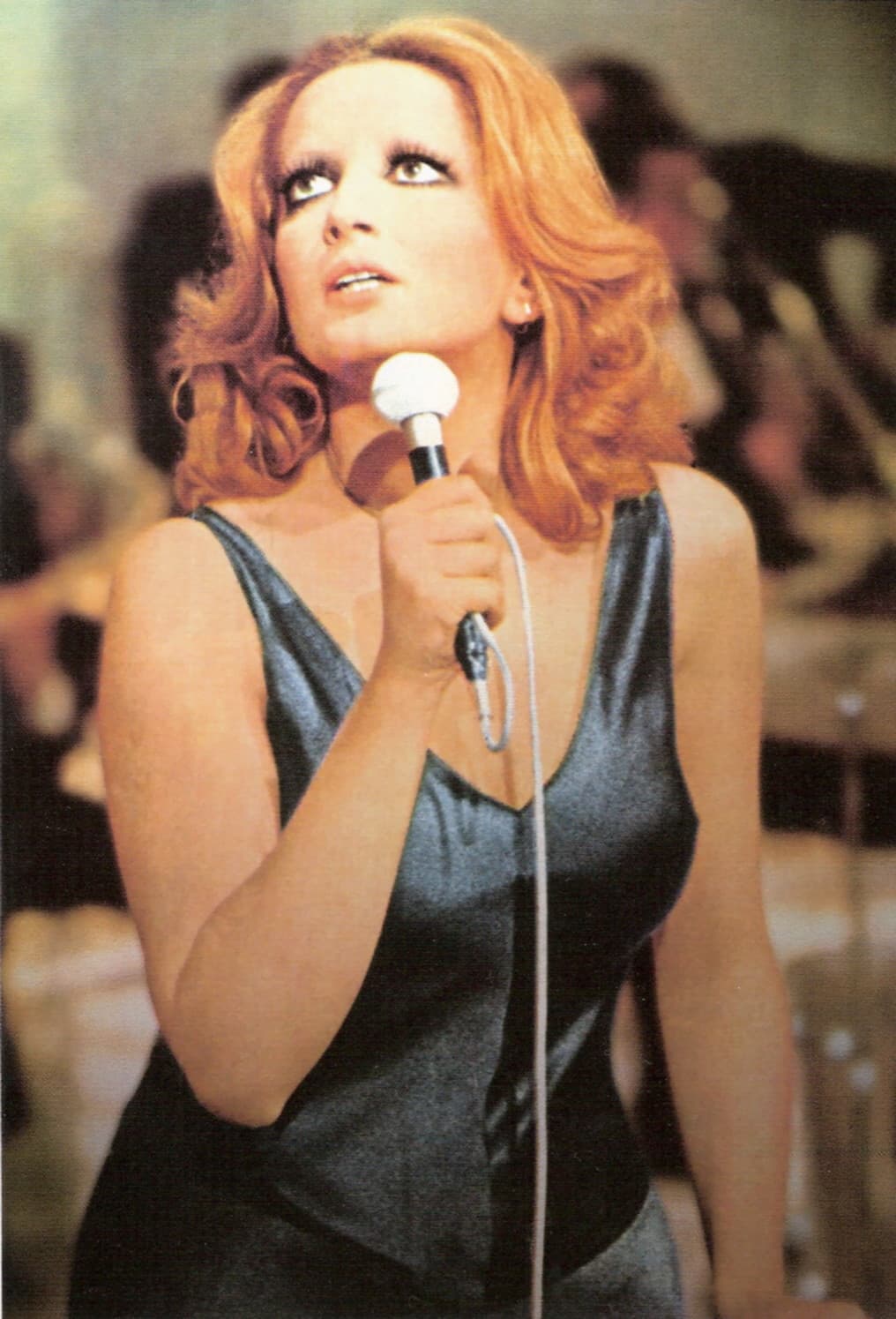
Alla Borisovna Pugacheva (Russian: Алла Борисовна Пугачёва, IPA: [ˈalːə bɐˈrʲisəvnɐ pʊɡɐˈtɕɵvə]; born 15 April 1949) is a Russian singer and songwriter. Her career began in 1965 and continues to this day, although she retired from performing in 2010 after the international concert tour "Dreams of Love". For her "clear mezzo-soprano and a full display of sincere emotions", she enjoys an iconic status across the former Soviet Union as the most successful Soviet performer in terms of record sales and popularity. For several decades, Pugacheva was a sex symbol, a style icon, an inspiration for Soviet women and a heroine of Russian tabloids. In the media, Pugacheva has been called "the Queen of Russian pop music". Pugacheva is one of the few Russian performers who has achieved international success, along with Anna Netrebko and t.A.T.u. Some Russian publications have suggested that she would not be welcome to return to Russia. Her repertoire includes over 500 songs in Russian, English, German, French, Kazakh, Hebrew, Finnish and Ukrainian, and her discography has more than 100 records, CDs and DVDs. In addition to Russia and the former Soviet Union, Pugacheva's albums have been released in Japan, Korea, Sweden, Finland, Germany, Poland, Czechia, Slovakia, Bulgaria and Israel. In total, she has sold more than 250 million records. Her debut album, Mirror of the Soul, has sold 10 million copies. Pugacheva's other albums were also successful, including How Disturbing Is This Way, released in 1982, which sold 7 million copies. During her career, Pugacheva has toured Eastern Europe, the Baltic states, Scandinavia, Central Asia and other countries around the world, including the United States, United Kingdom, France, Netherlands, Greece, Italy and Israel. She has performed in some of the most famous concert halls in the world, including Carnegie Hall in New York, Olympia in Paris, Friedrichstadt-Palast in Berlin, Royal Theater Carre in Amsterdam and Apollo in London. In addition to Russia and the countries of the former USSR, Pugacheva's singles were included in the hit parade in other countries of Europe and Asia, including France, Sweden, Poland, Greece, Japan and Mongolia. The singles "Harlequin" and "А Million Scarlet Roses" are her main international hits. In 1988, Billboard noted that Pugacheva “ranks with such great musicians of all time as Bing Crosby, Elvis Presley and Michael Jackson. In 2000, The New York Times called her "the goddess of Russian pop music, Moscow's Tina Turner with a touch of Édith Piaf". She became a People's Artist of the USSR in 1991, a Laureate of the State Prize of the Russian Federation in 1995. In addition to state awards, Pugacheva was awarded regional and international music prizes. She has received awards in several countries around the world, including the United States, Germany, Finland, Poland, Bulgaria, Ukraine, Belarus, Azerbaijan, Armenia and the Ampex Golden Reel Award, among others. Pugacheva was recognized as the best singer of the 20th century in Eastern Europe by the ZD Awards, named a living legend and the best performer of the 1990s decade by the Ovation Award. In 2017, she was included in the list of "100 most influential Russians of the century" according to Forbes, along with Mikhail Gorbachev, Yuri Gagarin and Pavel Durov. In 2022, she was among three Russian women included in the BBC's 100 Women list. Pugacheva was inducted into the Top Hit Music Awards Hall of Fame. For several decades, Pugacheva had the largest fee among performers in Eastern Europe. Due to her many years of popularity in Eastern Europe and Central Asia, Pugacheva was compared by the media to Madonna, and she received the nickname Russian Madonna. In addition to her career on the music stage, she starred in films and musicals, voiced films and recorded soundtracks. Pugacheva is considered a gay icon, and in 2012 she supported the punk group Pussy Riot. She was a UNICEF Goodwill Ambassador from 1998 to 2007.
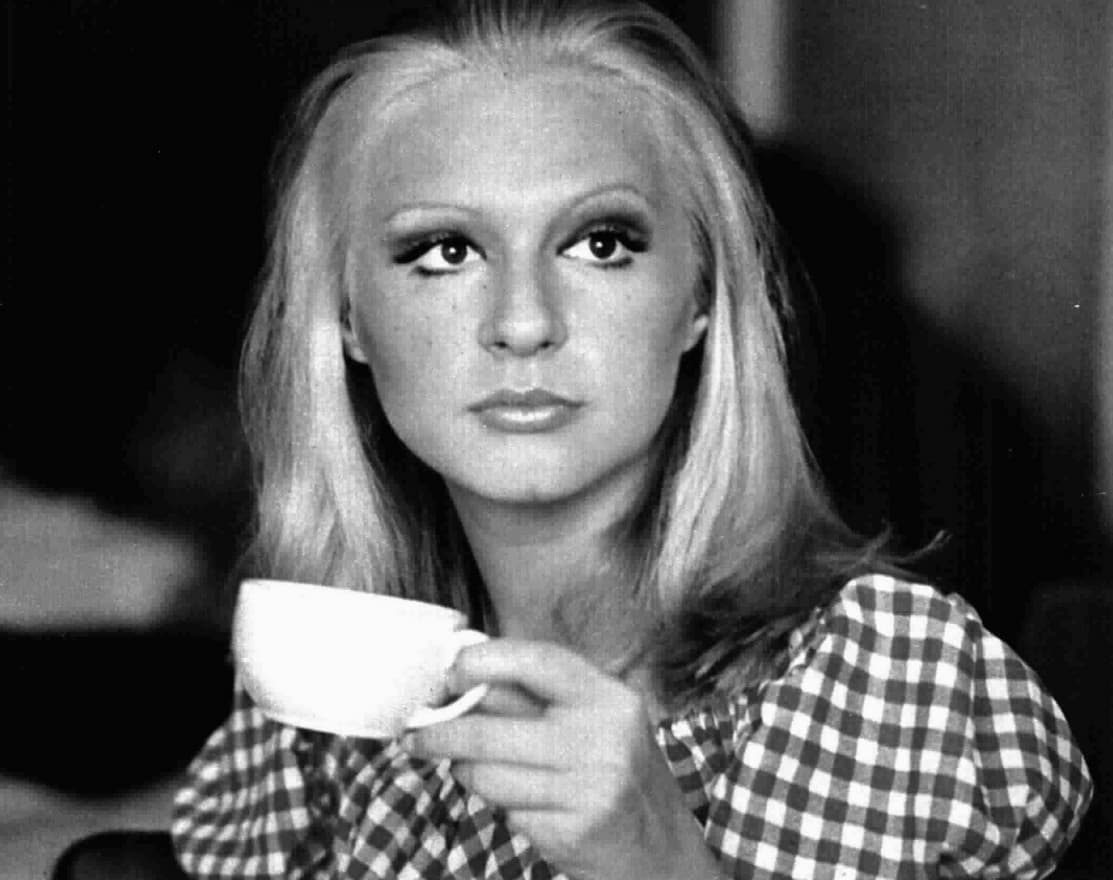
Shares orchestral arrangement, analog warmth, studio polished (production style); traditional pop, disco (subgenres)

Shares orchestral arrangement, analog warmth, studio polished (production style); melancholic, nostalgic, triumphant (moods)
Shares orchestral arrangement, analog warmth, studio polished (production style); traditional pop, disco (subgenres)
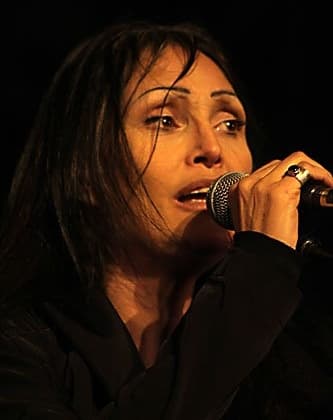
Shares traditional pop, art pop, disco (subgenres); orchestral arrangement, analog warmth, studio polished (production style)
Shares orchestral arrangement, analog warmth, studio polished (production style); traditional pop, art pop (subgenres)
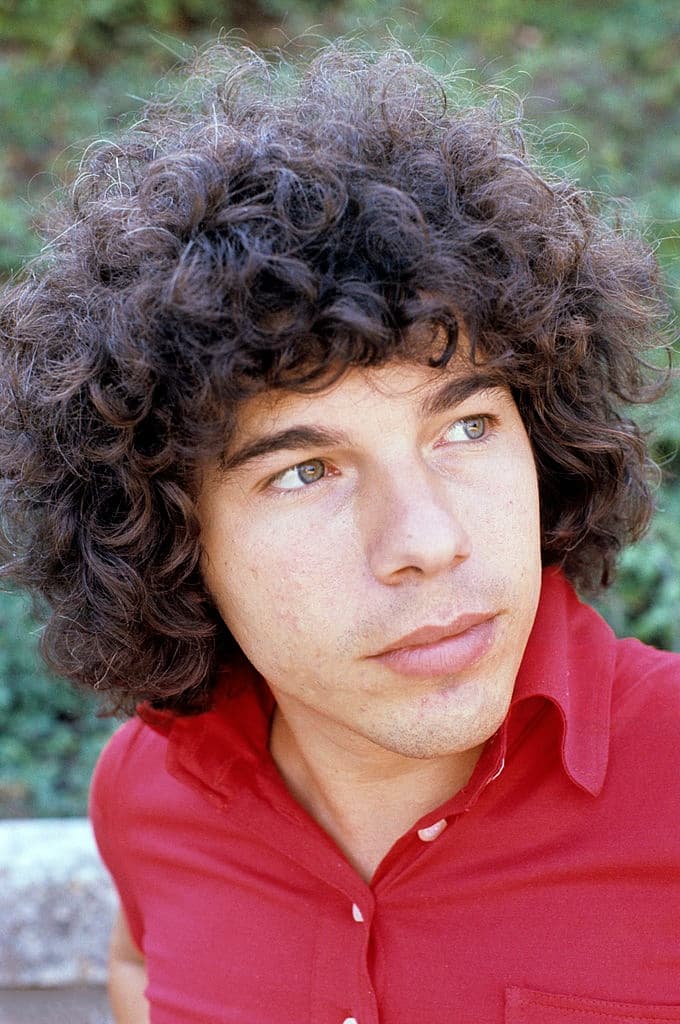
Shares orchestral arrangement, analog warmth, studio polished (production style); traditional pop, art pop (subgenres)
Shares orchestral arrangement, analog warmth, studio polished (production style); traditional pop, art pop, disco (subgenres)
Shares orchestral arrangement, analog warmth, studio polished (production style); melancholic, nostalgic, bittersweet (moods)
Cassette uses generative AI to enrich its catalog. How we use AI →