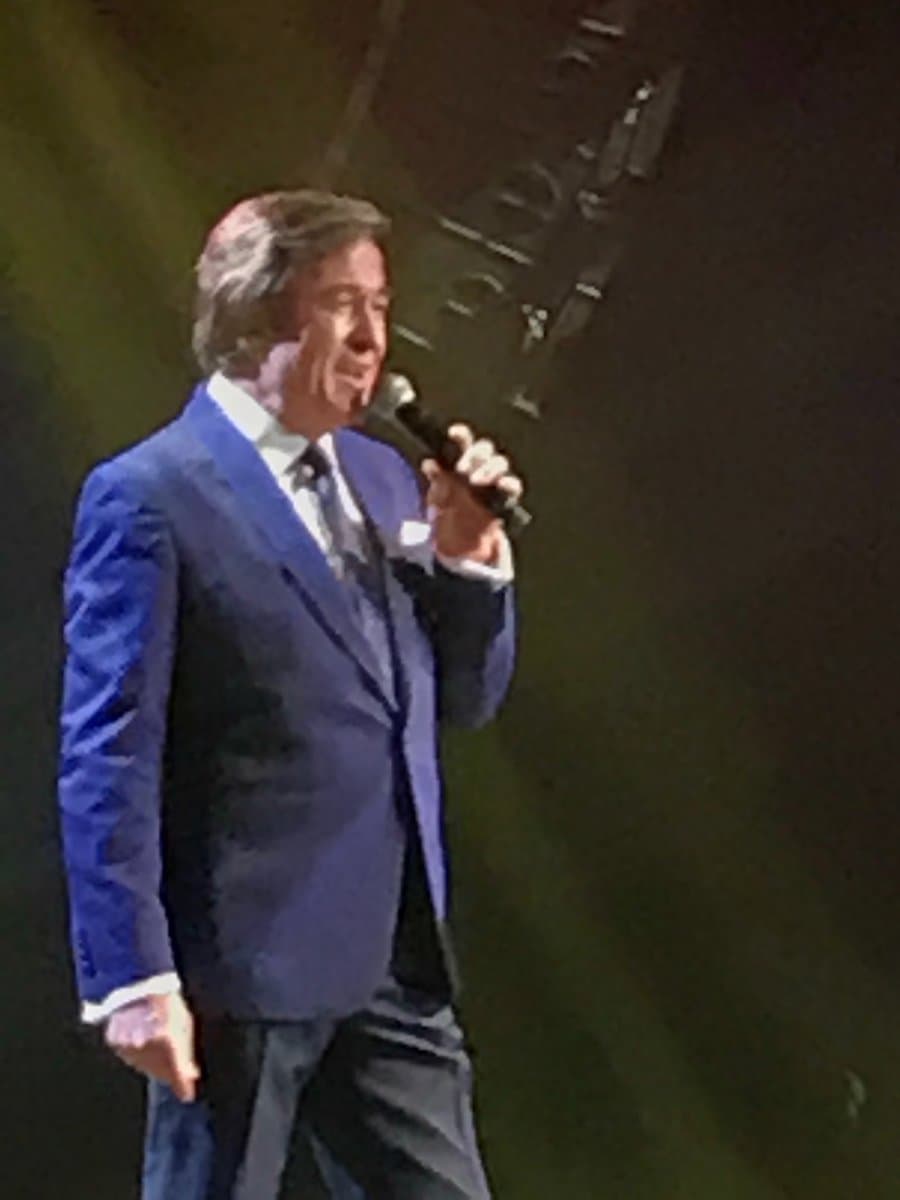
Véronique Sanson
Sophisticated French pop led by percussive piano and a singular, trembling vibrato. Emotional, elegant, and deeply melodic for late nights and long reflections.
Sophisticated French pop led by percussive piano and a singular, trembling vibrato. Emotional, elegant, and deeply melodic for late nights and long reflections.
Véronique Sanson sounds like the intersection of classic French literary tradition and 1970s California studio craft. Her music is anchored by her formidable piano playing, which is often rhythmic and driving, providing a sturdy foundation for one of the most recognizable voices in Francophone music. There is a palpable warmth to her recordings, a lushness that feels both expensive and deeply personal, like a private confession delivered from a grand stage.
What truly sets Sanson apart is her 'vibrato' and her rhythmic sensibility. Unlike the static delivery of earlier yé-yé stars, Sanson brought a restless, soulful energy to the chanson format. She was among the first to successfully blend the harmonic sophistication of French music with the groove and production values of American pop-rock, creating a sound that was simultaneously avant-garde and massively accessible.
Start with her 1972 debut, 'Amoureuse'. It is a masterclass in songwriting that redefined what a female artist could achieve in France. From the soaring title track to the playful 'Besoin de personne', it captures an artist perfectly balancing vulnerability with technical mastery.
Véronique Marie Line Sanson (French pronunciation: [veʁɔnik maʁi lin sɑ̃sɔ̃]; born 24 April 1949) is a three-time Victoires de la Musique award-winning French singer-songwriter and record producer with an avid following in her native country. Ten years after Barbara, Véronique Sanson became one of the first French female singer-songwriters to break into stardom with her debut album "Amoureuse" in 1972. She also became one of the most successful and most prominent members of the Seventies "Nouvelle chanson française" ("New French chanson"), alongside Alain Souchon, Bernard Lavilliers, Jacques Higelin, Michel Polnareff, Catherine Lara, Yves Duteil, Maxime Le Forestier, Renaud, William Sheller, Michel Jonasz, Michel Berger, Hubert-Félix Thiéfaine, Louis Chédid, or Francis Cabrel. Unlike most previous French artists of the Sixties Yé-yé era, who mostly released EPs consisting of a collection of singles, B-sides and covers, Sanson and her counterparts of the "nouvelle chanson française" established the dominance of singer-songwriters on the Seventies French charts thanks to albums with full-length artistic statements. One of her songs, "Amoureuse", was covered in English in 1973 by singer Kiki Dee, and became a major hit in the United Kingdom, and has been covered since by various other singers, from Polly Brown (1973) to Elaine Paige with Olivia Newton-John (1974), Pete Townshend (1974), Linda Martin (1996) and Amanda Abbs with Illusive (1997). In 1974, Patti Dahlstrom recorded a second version with her own lyrics, entitled "Emotion", which was covered by Helen Reddy (1974) and Shirley Bassey (1975). Many other covers of "Amoureuse" have been recorded in French, German, Spanish, Dutch or Japanese. Sanson plays piano and guitar.

Shares soft rock, baroque pop (subgenres); analog warmth, orchestral arrangement, studio polished (production style)

Shares analog warmth, orchestral arrangement, studio polished (production style); soft rock, baroque pop (subgenres)
Shares soft rock, baroque pop (subgenres); analog warmth, orchestral arrangement, studio polished (production style)
Shares soft rock, baroque pop (subgenres); analog warmth, orchestral arrangement, studio polished (production style)
Shares soft rock, baroque pop (subgenres); analog warmth, orchestral arrangement, studio polished (production style)
Shares soft rock, baroque pop (subgenres); analog warmth, orchestral arrangement, studio polished (production style)
Shares analog warmth, orchestral arrangement, studio polished (production style); soft rock (subgenres)
Cassette uses generative AI to enrich its catalog. How we use AI →