Zana captures the specific, sun-drenched optimism of the 1980s Yugoslav pop scene. Their sound is a cocktail of shimmering synthesizers, clean staccato guitars, and the unmistakable, breathy vocal delivery of Zana Nimani. It feels like a bridge between the edgy experimentation of the new wave and the polished, radio-ready melodies of international power pop. There is a persistent warmth to the production, likely a result of their early 80s analog recording sessions in Sweden, which gives the music a tactile, lived-in quality.
What truly sets Zana apart is their ability to blend romantic yearning with a danceable, upbeat energy. While their peers in the Ex-Yu scene often leaned into darker, more industrial or political themes, Zana remained focused on the intimate and the immediate: youth, love, and the rhythm of the city. The interplay between the Roland guitar synths and the driving basslines creates a groove that is sophisticated yet entirely accessible, making them a cornerstone of Balkan pop history.
Start with the 1982 masterpiece 'Dodirni mi kolena'. It is the definitive document of their peak era, containing their most iconic hits that still dominate regional radio and club nights. If you want to hear their more experimental, post-punk roots, dive into 'Loše vesti uz rege za pivsku flašu' to see how they evolved from the Belgrade underground into pop royalty.
Zana is a Serbian rock and pop group formed in Belgrade in 1979. Formed by guitarist Radovan Jovićević, keyboardist Zoran Živanović and vocalist Zana Nimani, Zana was initially a part of the Yugoslav new wave scene. With their second album they turned towards more commercial synth-pop and achieved large mainstream popularity. Until the mid-1980s the band had moved from their initial new wave and synth-pop sound towards pop rock and pop. After the departure of Zana Nimani in 1984, Jovićević and Živanović continued to lead the band, changing two vocalists, Nataša Gajović and Nataša Živković. During the 1990s, Zana worked as a pop trio consisting of Jovićević, Živanović and vocalist Jelena Galonić. In 1999, Jovićević left the group, leaving Živanović and Galonić as the only official members of Zana. In the 2010s Živanović and Galonić formed a new Zana lineup, making a return to pop rock format.


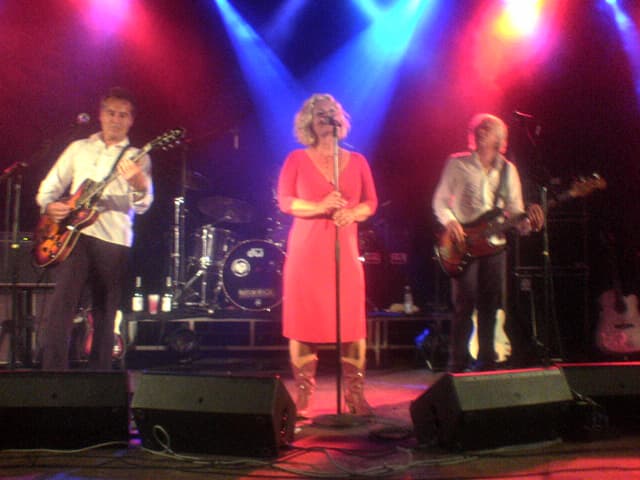
Shares analog warmth, studio polished, reverb heavy (production style); synth-pop, pop rock, new wave (subgenres)

Shares analog warmth, studio polished, reverb heavy (production style); nostalgic, playful, bittersweet (moods)
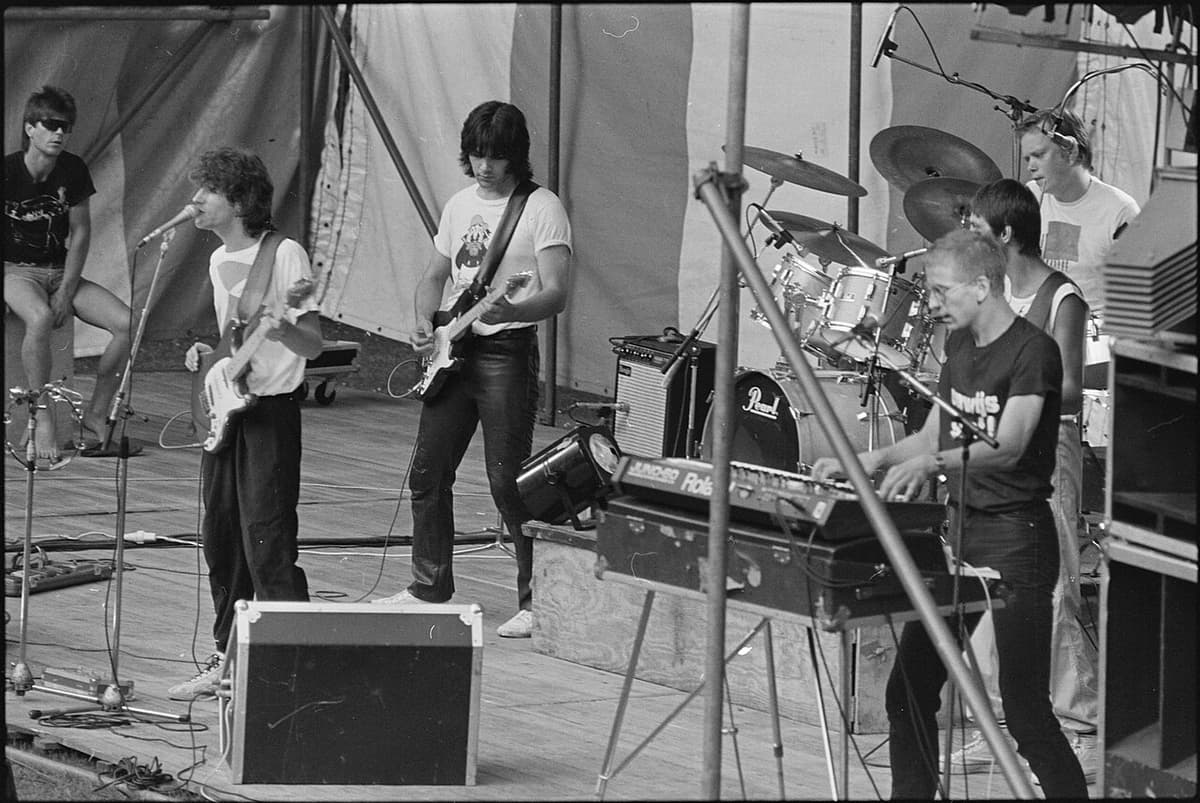
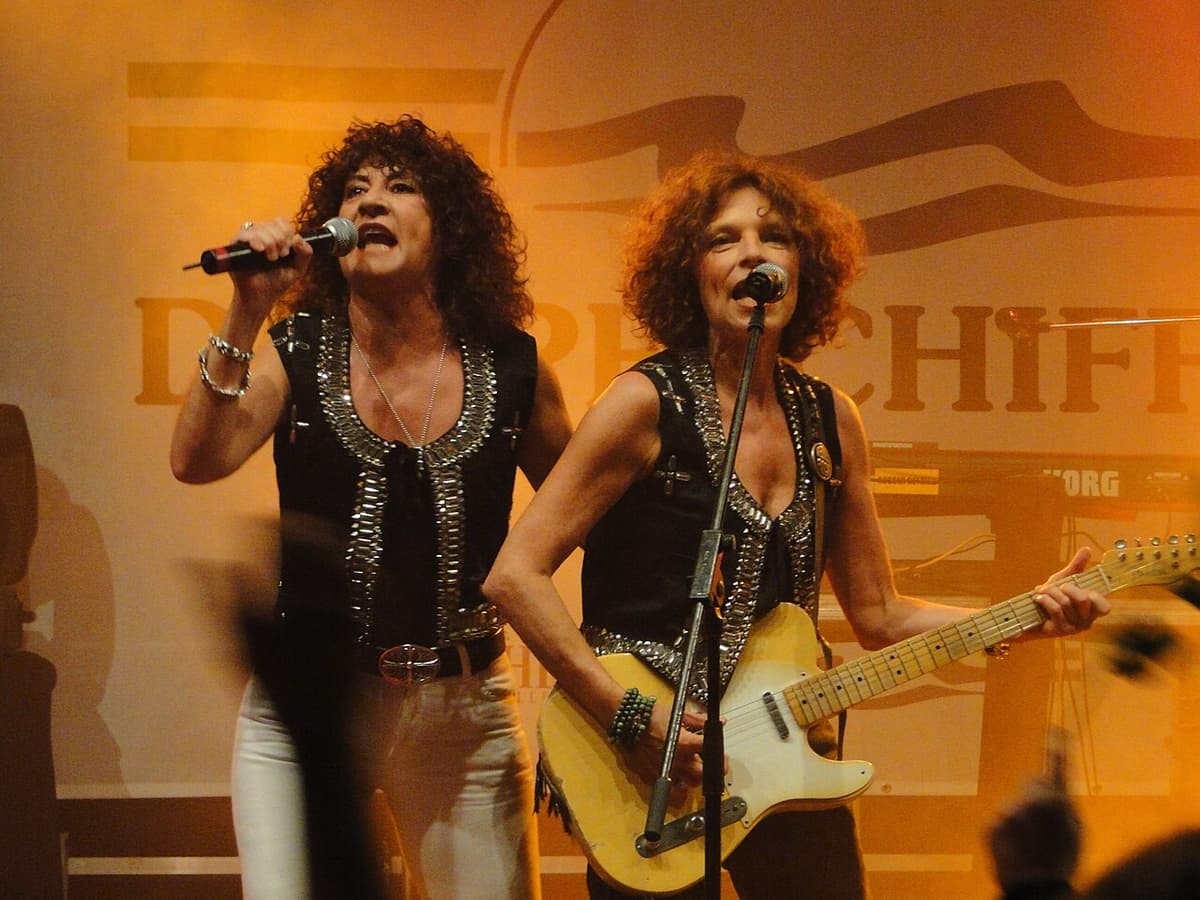
Shares analog warmth, drum machine, studio polished (production style); synth-pop, new wave, dance-pop (subgenres)
Shares analog warmth, studio polished, reverb heavy (production style); synth-pop, pop rock (subgenres)
Shares synth-pop, new wave, power pop (subgenres); analog warmth, studio polished, drum machine (production style)
Shares analog warmth, studio polished, reverb heavy (production style); synth-pop, new wave (subgenres)
Shares synth-pop, new wave, pop rock (subgenres); analog warmth, studio polished, reverb heavy (production style)
Shares analog warmth, studio polished, reverb heavy (production style); synth-pop, new wave (subgenres)
Shares analog warmth, studio polished, reverb heavy (production style); nostalgic, playful, energetic (moods)
Shares synth-pop, new wave, romantic, dance-pop (signature)
Cassette uses generative AI to enrich its catalog. How we use AI →