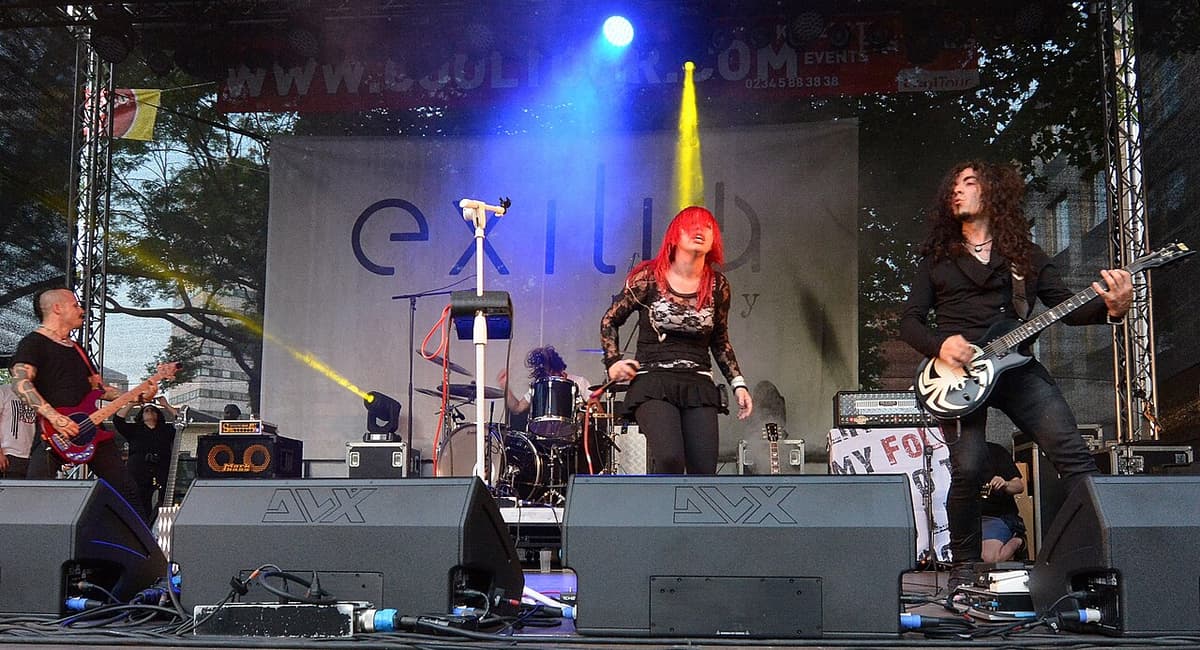
Exilia
Aggressive, groove-heavy nu metal led by Masha Mysmane's gritty, commanding vocals. High-octane riffs and melodic hooks for high-intensity movement.
Aggressive, groove-heavy nu metal led by Masha Mysmane's gritty, commanding vocals. High-octane riffs and melodic hooks for high-intensity movement.
Exilia delivers a punchy, high-energy brand of alternative metal that feels like a direct descendant of the early 2000s nu metal explosion. Their sound is defined by thick, down-tuned guitar riffs and a rhythm section that prioritizes groove over complexity. It is music designed for impact, characterized by a polished but heavy production style that emphasizes the physical weight of the instruments.
The standout element is undoubtedly Masha Mysmane's vocal performance. She possesses a distinctive, gravelly rasp that can pivot from melodic vulnerability to a fierce, guttural roar in a single measure. This vocal versatility allows the band to bridge the gap between radio-ready hard rock hooks and the more abrasive, confrontational edges of the metal scene.
For those looking to dive in, their mid-2000s output offers the quintessential Exilia experience. It is the perfect soundtrack for high-intensity activities or moments where you need a sonic outlet for pent-up frustration. Start with their breakthrough material to hear how they balance European industrial textures with classic American nu metal aggression.
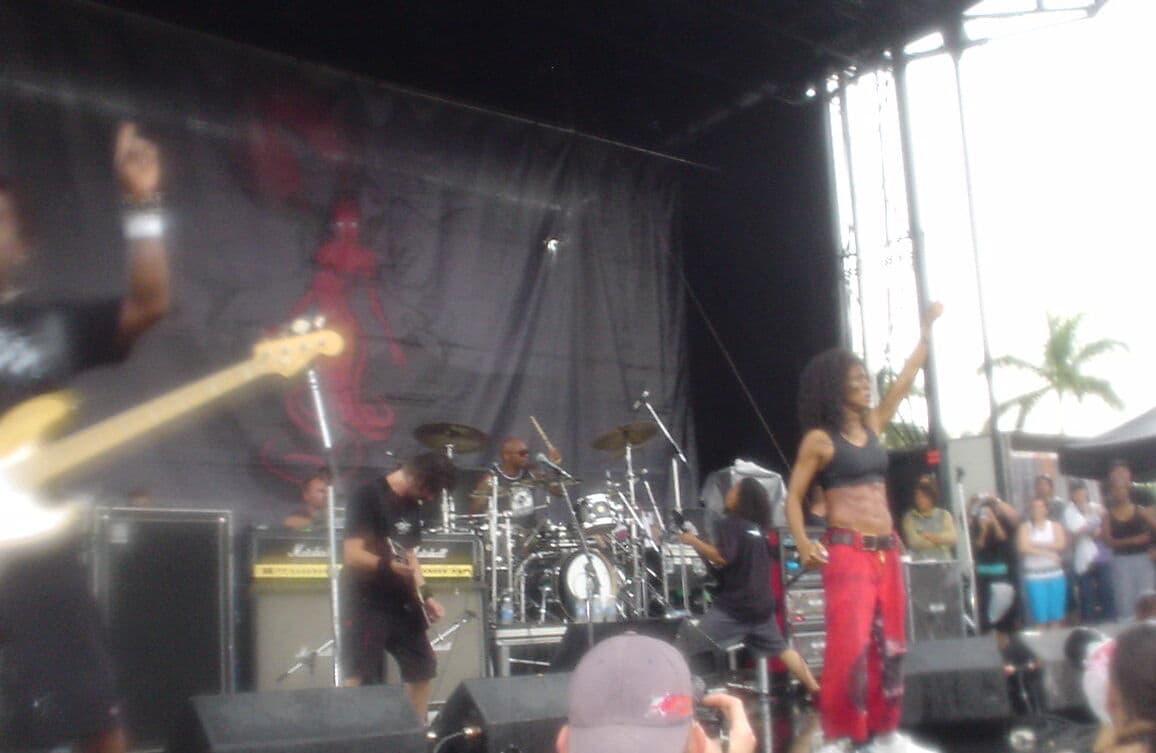
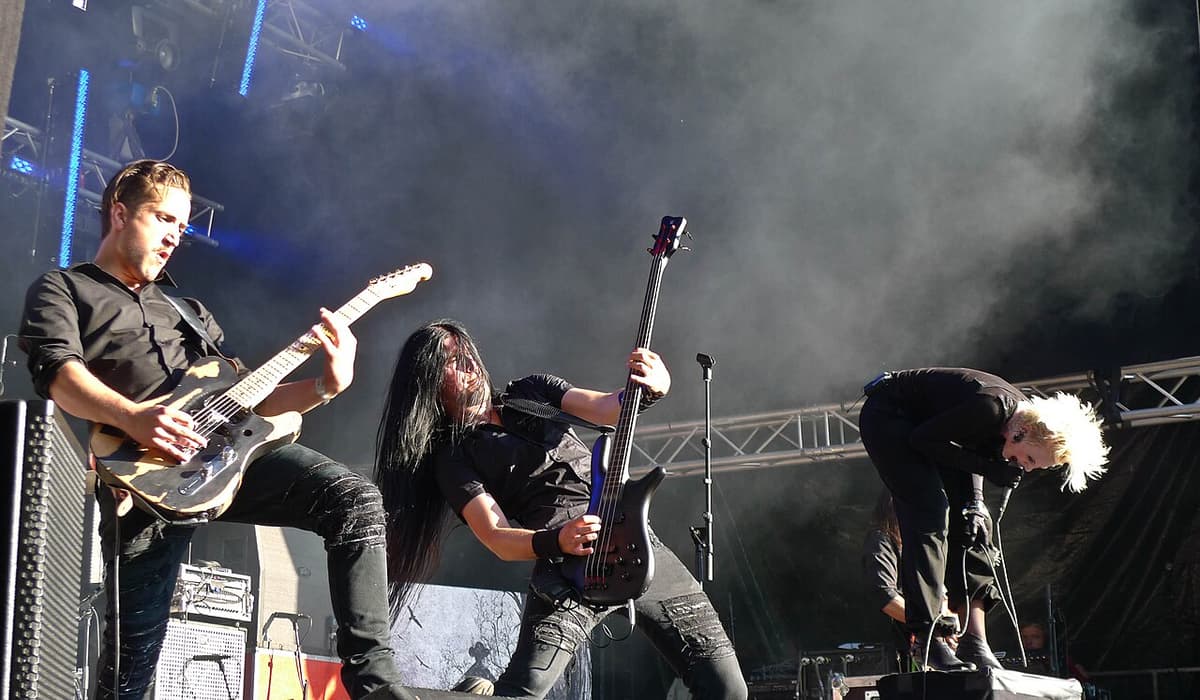
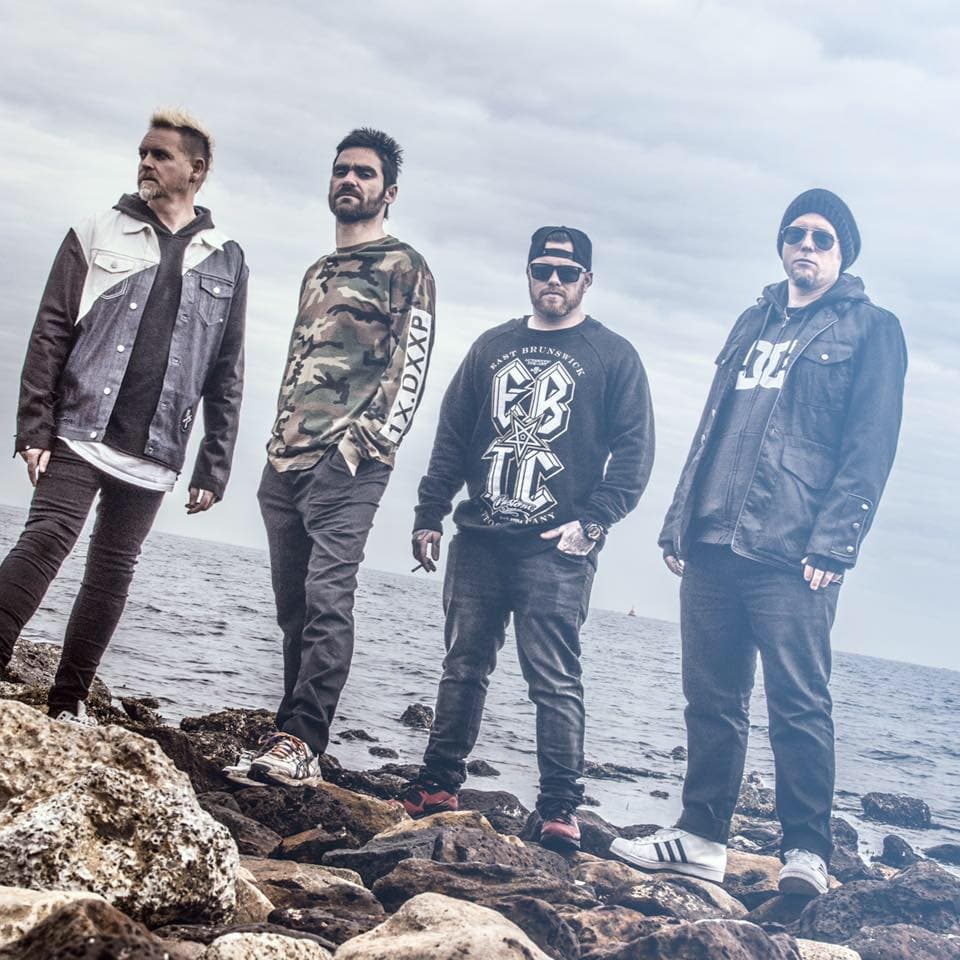
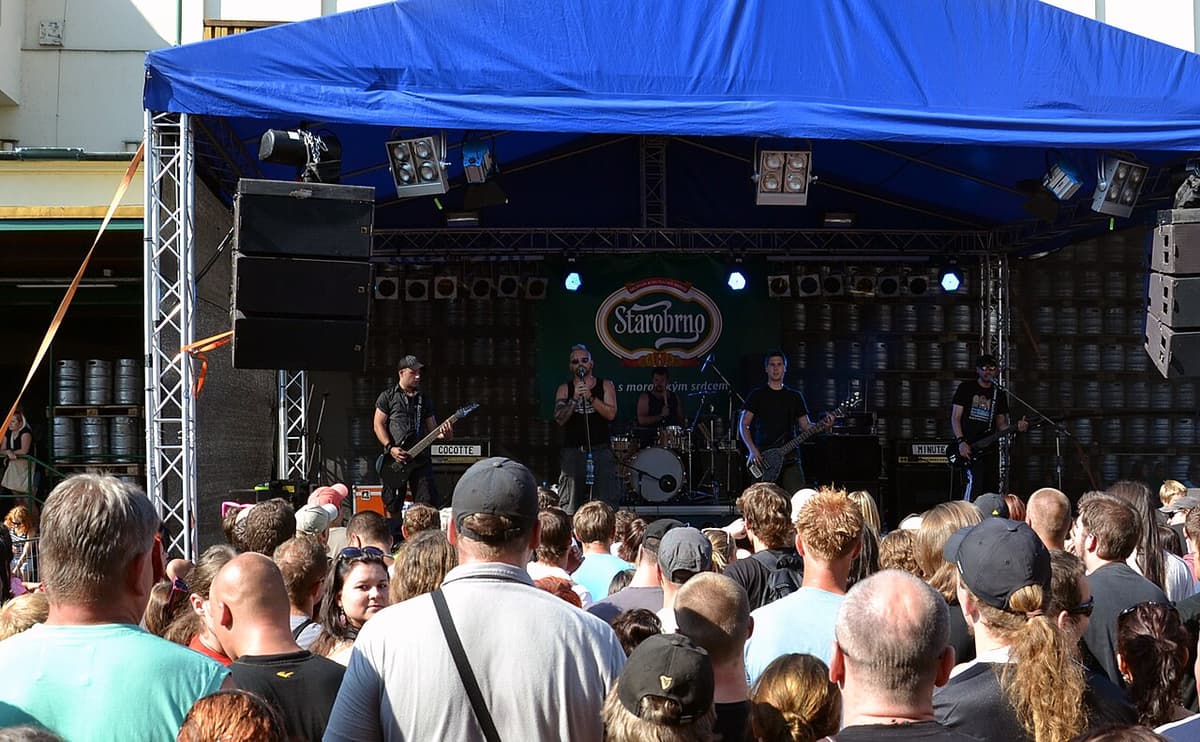
Exilia is an Italian nu metal band from Milan. It was formed in 1998 and as of 2022 is composed of vocalist Masha Mysmane, guitarist Wolve, bassist Simone Matteo Tiraboschi, and drummer Mark Campailla. They have played with a number of bands while on tour, including Otep, Rammstein, HIM, Ill Niño, Die Ärzte, P!NK, In Extremo, Paradise Lost, and Guano Apes.
Shares nu metal, industrial metal, alternative metal, hard rock (signature)
Shares nu metal, industrial metal, defiant, alternative metal (signature)
Shares industrial metal, alternative metal, hard rock, screaming (subgenre)
Shares nu metal, industrial metal, alternative metal, screaming (signature)
Shares nu metal, defiant, alternative metal, hard rock (signature)
Cassette uses generative AI to enrich its catalog. How we use AI →