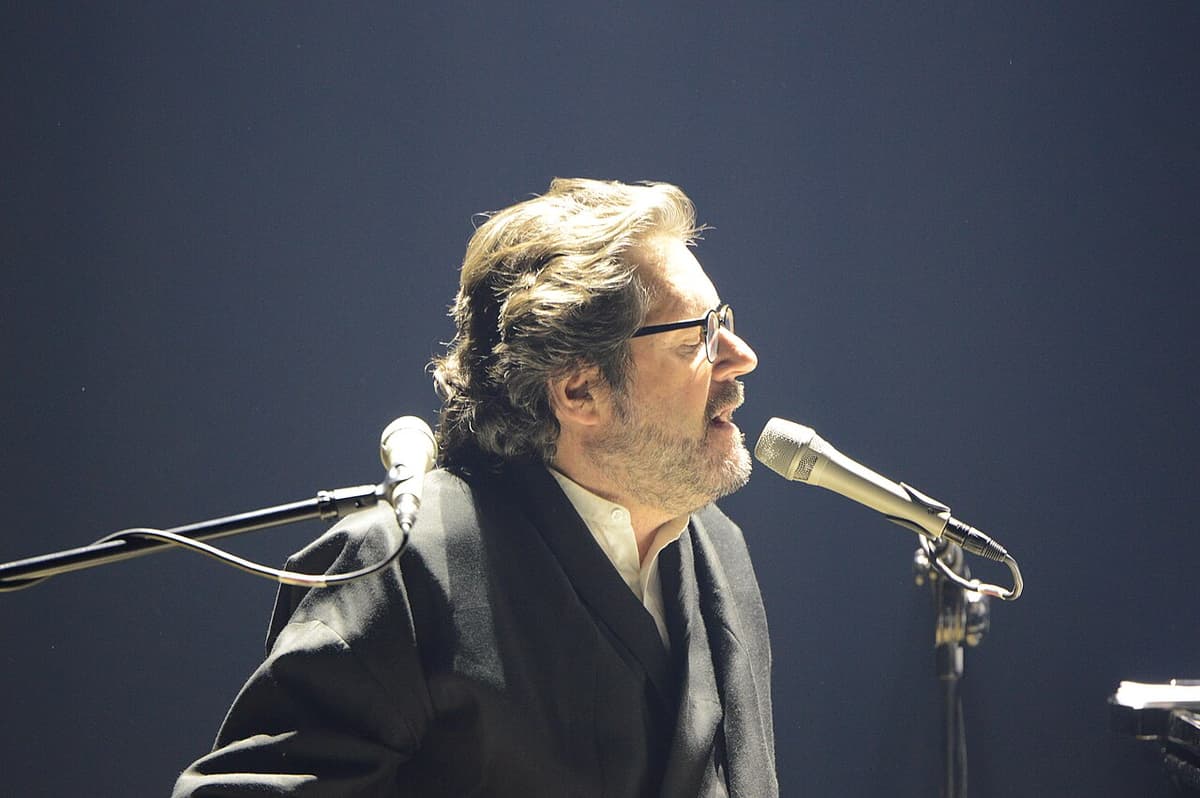
Grzegorz Turnau
Sophisticated Polish sung poetry blending jazz piano with chamber arrangements. Elegant, melancholic, and deeply literary music for quiet, reflective evenings.
Sophisticated Polish sung poetry blending jazz piano with chamber arrangements. Elegant, melancholic, and deeply literary music for quiet, reflective evenings.
Grzegorz Turnau’s music feels like a slow walk through a historic European city just as the sun is setting and the mist is rolling in. It is defined by a warm, woody acoustic palette where his steady, intricate piano playing serves as the anchor for woodwinds, strings, and subtle jazz percussion. The sound is undeniably elegant, carrying a weight of history and intellectual depth without ever feeling cold or unapproachable.
What truly sets Turnau apart is the marriage of high-brow literary tradition with the accessibility of pop-jazz. His baritone voice is calm and conversational, delivering lyrics that often feel like whispered secrets or philosophical observations. The inclusion of instruments like the oboe and saxophone adds a specific 'Kraków school' texture, creating a sophisticated atmosphere that bridges the gap between a smoky jazz club and a formal concert hall.
For those new to his work, start with 'To tu, to tam' or 'Historia pewnej podróży'. These albums showcase his ability to turn everyday moments into cinematic, melancholic art. It is the perfect soundtrack for anyone who finds beauty in sadness and prefers their music to have the texture of a well-worn book.
Grzegorz Jerzy Turnau (born 31 July 1967) is a Polish composer, pianist, poet and singer. He has released eleven albums to date, including one (Cafe Sułtan) made up of his own versions of songs by Jeremi Przybora and Jerzy Wasowski, and most have enjoyed considerable chart success. His characteristic style consists of strong, clear lyrics and music composed in special keys and harmonies, using instruments such as the piano (played by himself), saxophone, violin and various horns. Influenced by such artists as Marek Grechuta and Jan Kanty Pawluśkiewicz, his music style falls within the broad genre of sung poetry.
Cassette uses generative AI to enrich its catalog. How we use AI →