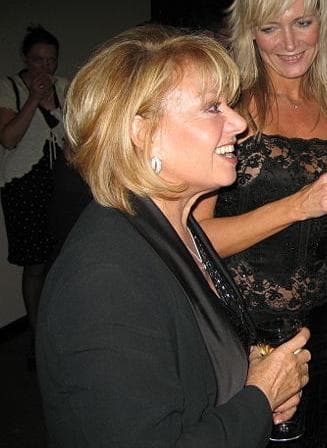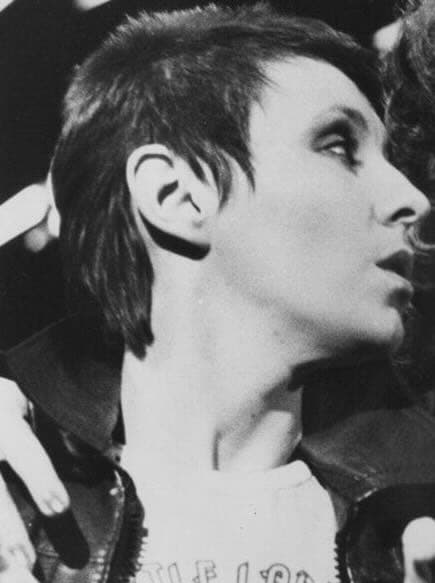
Julie Covington
Grand, theatrical pop with a crystalline soprano voice. Orchestral storytelling that captures the high drama of the stage and the intimacy of a 1970s studio.
Grand, theatrical pop with a crystalline soprano voice. Orchestral storytelling that captures the high drama of the stage and the intimacy of a 1970s studio.
Julie Covington possesses a voice that feels like a bridge between the disciplined world of musical theater and the experimental warmth of 1970s art-pop. Her sound is defined by a remarkable dynamic range, capable of shifting from a fragile, breathy whisper to a powerful, glass-shattering belt within a single phrase. Backed by lush orchestral arrangements and the occasional grit of a seventies rock rhythm section, her music carries a weight of narrative importance, as if every song is a pivotal scene in a larger, unseen drama.
What makes her truly distinctive is her refusal to be just a 'show singer.' Even in her most famous theatrical roles, she brings a grounded, almost folk-like sincerity to the material. Her phrasing is meticulous, treating lyrics with the respect of a poet while maintaining the melodic accessibility of a pop star. This intersection of high-concept storytelling and radio-ready production creates a listening experience that is both intellectually stimulating and emotionally resonant.
New listeners should start with the original studio recording of 'Evita' to hear her definitive take on Eva Perón, then move to her self-titled 1978 solo album. The latter reveals her versatility, showcasing her ability to interpret contemporary songwriters like Alice Cooper and Richard Thompson with a sophisticated, slightly melancholic edge that remains timeless.
Julie Covington (born 11 September 1946) is an English singer and actress, best known for recording the original version of "Don't Cry for Me Argentina", which she sang on the 1976 concept album Evita.

Shares orchestral arrangement, studio polished, analog warmth (production style); traditional pop, vocal jazz, chamber pop (subgenres)
Shares traditional pop, vocal jazz, chamber pop (subgenres); candlelit, rainy day, solitude (atmosphere)

Shares traditional pop, vocal jazz, chamber pop (subgenres); soprano, belting, breathy (vocal style)
Shares traditional pop, chamber pop, soft rock (subgenres); orchestral arrangement, studio polished, analog warmth (production style)
Shares traditional pop, vocal jazz, chamber pop (subgenres); orchestral arrangement, studio polished, dynamic range (production style)

Shares traditional pop, vocal jazz, chamber pop (subgenres); orchestral arrangement, studio polished, dynamic range (production style)
Shares traditional pop, vocal jazz, chamber pop (subgenres); orchestral arrangement, studio polished, analog warmth (production style)
Shares traditional pop, chamber pop, soft rock (subgenres); orchestral arrangement, studio polished, analog warmth (production style)
Shares cathedral, rainy day, solitude (atmosphere); orchestral arrangement, studio polished, dynamic range (production style)
Shares traditional pop, vocal jazz, chamber pop (subgenres); orchestral arrangement, studio polished, analog warmth (production style)
Cassette uses generative AI to enrich its catalog. How we use AI →