Seven sounds like the internal monologue of a machine trying to understand human emotion. It is characterized by ultra-precise, low-tuned guitar work that prioritizes rhythmic complexity over traditional melody. The production is clinical and sharp, emphasizing the staccato 'djent' sound that Brad Tuttle helped pioneer long before it became a mainstream metal subgenre. There is a cold, industrial sheen over everything, making the music feel both futuristic and deeply grounded in a gritty, urban reality.
What truly sets Seven apart is the integration of electronic and dubstep-adjacent textures into a heavy metal framework. Unlike many of its contemporaries who use synths for atmosphere, Seven uses them as structural components, mimicking the mechanical precision of the percussion. The vocals often feel like they are fighting through a digital filter, adding to the sense of a human spirit trapped within a technological cage. It is music that demands your full attention to untangle its intricate time signatures.
Start with the album 'Dark Scientific' to hear the project at its most polished and conceptually realized. It serves as a perfect gateway into the blend of mathematical aggression and atmospheric depth that defines the Seven sound. From there, explore 'Cymatics' to hear the earlier, raw foundations of the djent movement.


Shares djent, industrial metal, progressive metal, focused work (signature)
Shares djent, progressive metal, screaming, focused work (signature)
Shares djent, progressive metal, thunderstorm, screaming (signature)
Shares djent, progressive metal, screaming, focused work (signature)
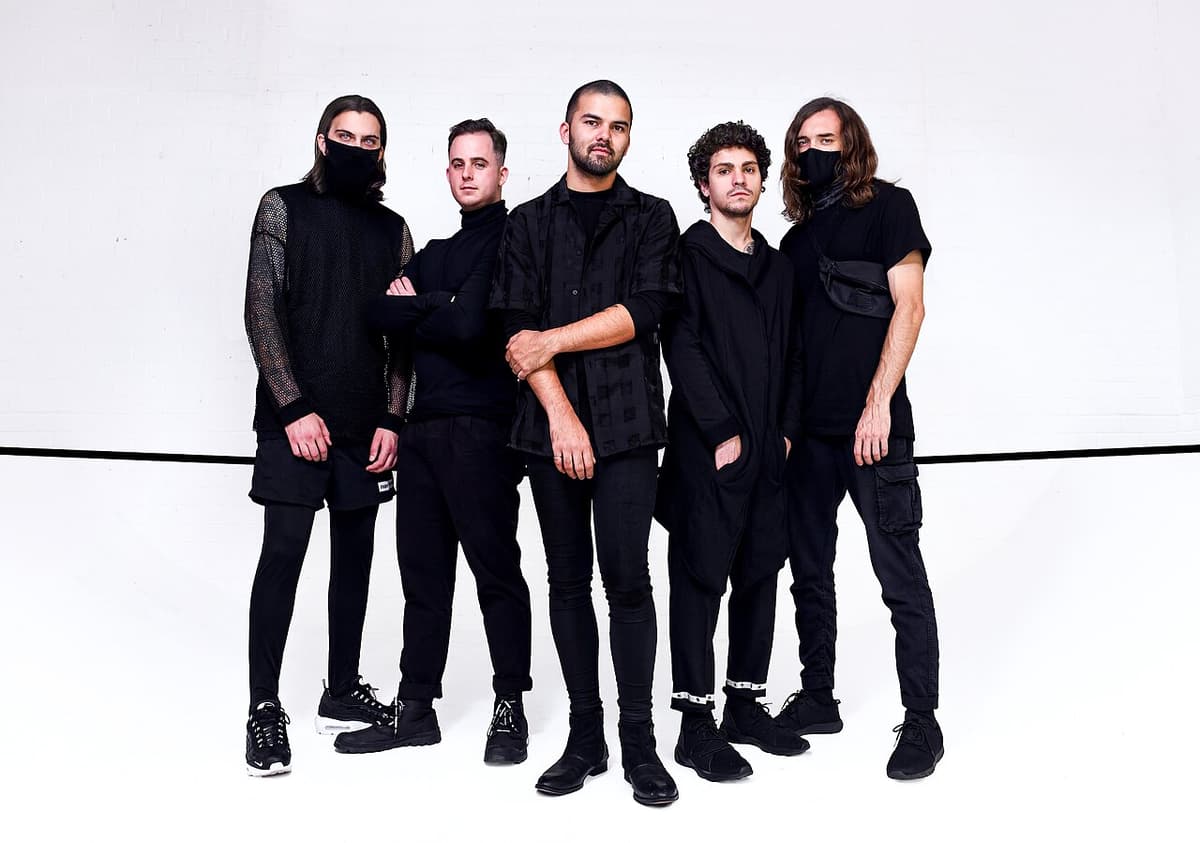
Shares djent, industrial metal, progressive metal, focused work (signature)

Shares djent, progressive metal, screaming, focused work (signature)
Shares djent, industrial metal, progressive metal, focused work (signature)
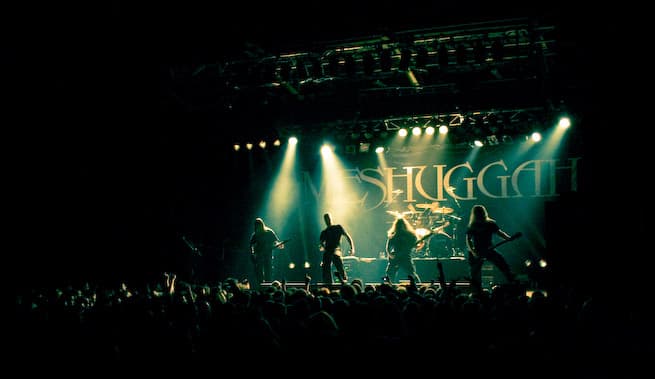
Cassette uses generative AI to enrich its catalog. How we use AI →