The Cure
Atmospheric, reverb-soaked anthems for the heartbroken and the dreamers. Lush guitars and melodic basslines that define the sound of late-night introspection.
Atmospheric, reverb-soaked anthems for the heartbroken and the dreamers. Lush guitars and melodic basslines that define the sound of late-night introspection.
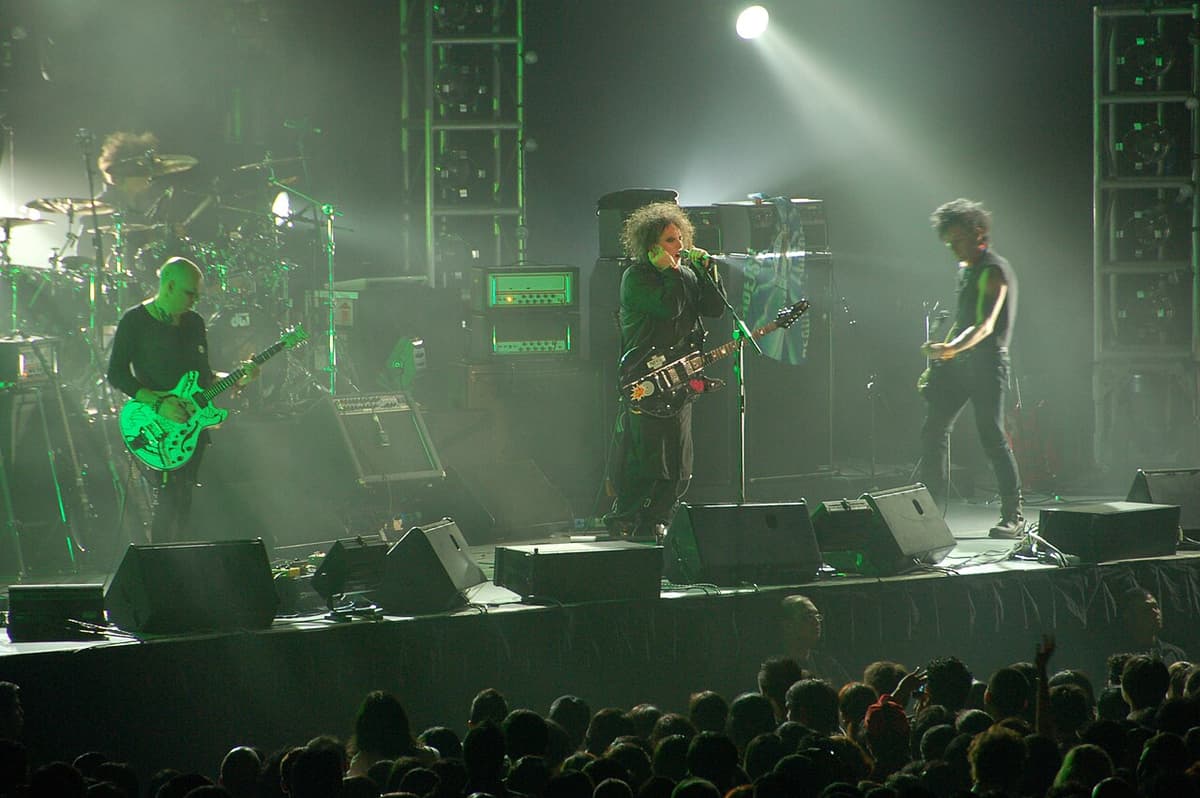
Formed in Crawley in 1976, The Cure have spent nearly five decades operating as the singular vehicle for singer and guitarist Robert Smith.
Emerging from the British post-punk scene, the group initially built their reputation on sparse, angular rock before pivoting toward a darker, more atmospheric sound that helped define the gothic rock genre. Throughout numerous lineup changes, Smith has balanced this gloomy, cavernous aesthetic with a parallel streak of eccentric, melodic pop, establishing the band as one of alternative music's most enduring and influential institutions.

A cold, fog-shrouded stillness replaces the nervous energy of the debut, as the band retreats into a sparse, monochromatic landscape. Recorded in a frantic seven-day blur of sixteen-hour sessions, the music relies on a heavily flanged bassline and a dry, mechanical drum pulse to carve out vast pockets of empty space. The vocals drift like ghostly echoes down a long, unlit corridor, establishing a disciplined, hypnotic template where silence is given as much weight as the instruments.
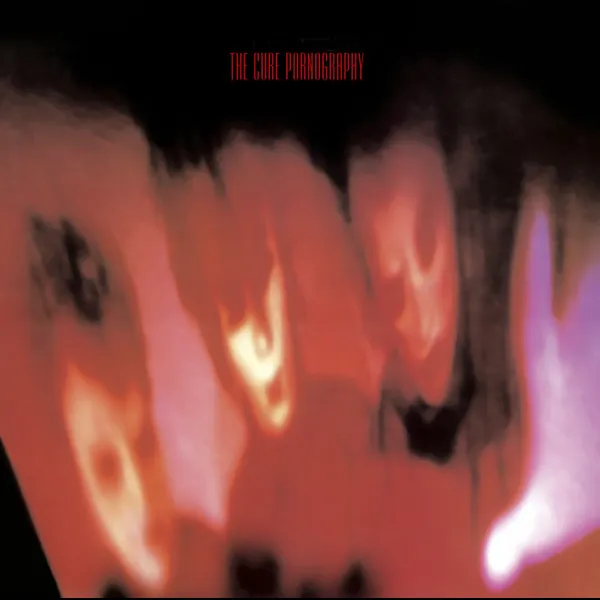
A suffocating, over-saturated wall of sound defines this bleak monument, sounding like a band collapsing in real-time. Recorded amid heavy drug use and intense depression, the music trades all previous restraint for a claustrophobic density where every instrument fights for space in a murky, reverb-drenched landscape. The drums are mixed with a brutal, mechanical prominence that drives each track forward with the inevitability of a fever dream, while the vocals sound strained, desperate, and occasionally distorted by tape effects.
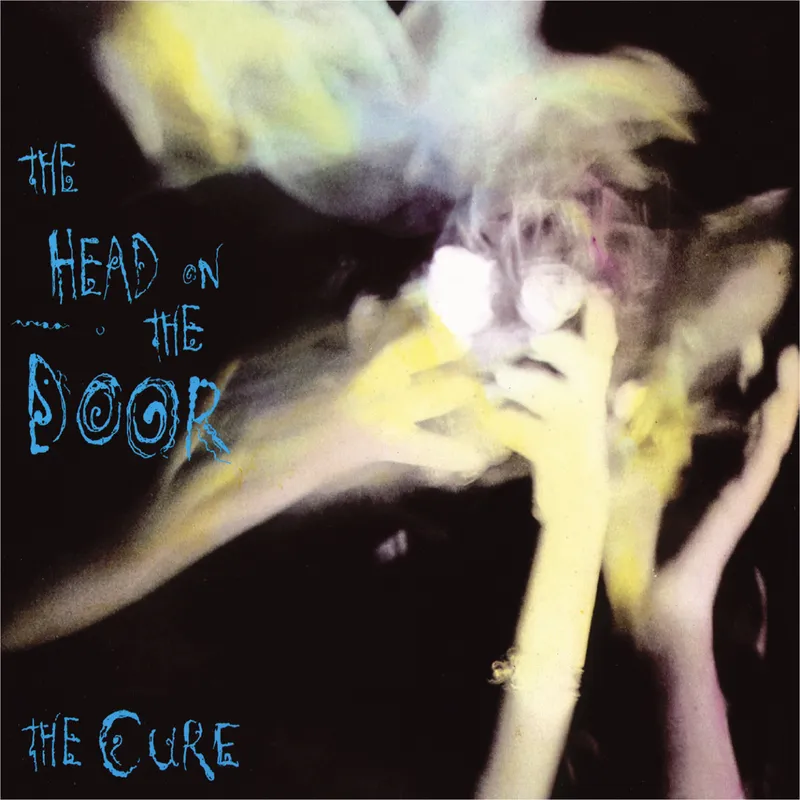
A vibrant, kaleidoscopic pop sensibility floods the band's gloom, transforming their signature shadows into danceable, bittersweet vignettes. This record trades the previous claustrophobic weight for a series of bright, highly textured short stories, where Spanish-inflected acoustic picking and playful, rhythmic panting sit comfortably alongside soaring guitar lines. The return of a melodic, driving bassline anchors these diverse arrangements, proving that a sense of bedroom intimacy can survive even within polished, radio-ready new wave production.
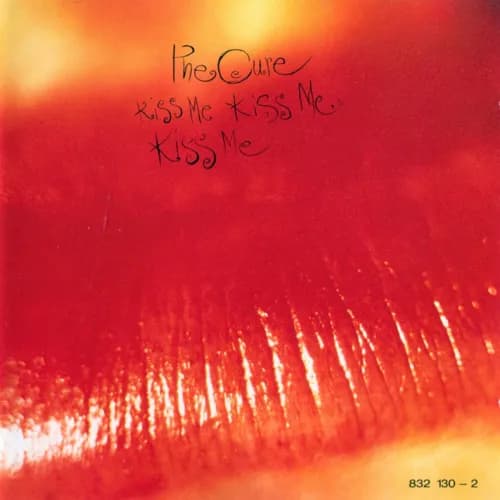
An overstuffed, double-album sprawl of sensory overload explodes with a newfound sense of physical scale. The music stretches out into wide, sun-baked desert atmospheres, trading the tight corners of their past for a kaleidoscopic, feedback-drenched playground where absolute romantic devotion sits beside cynical disgust. It is the sound of a band operating at a confident creative peak, effortlessly shifting from massive psychedelic dirges to sugary, brass-led pop.
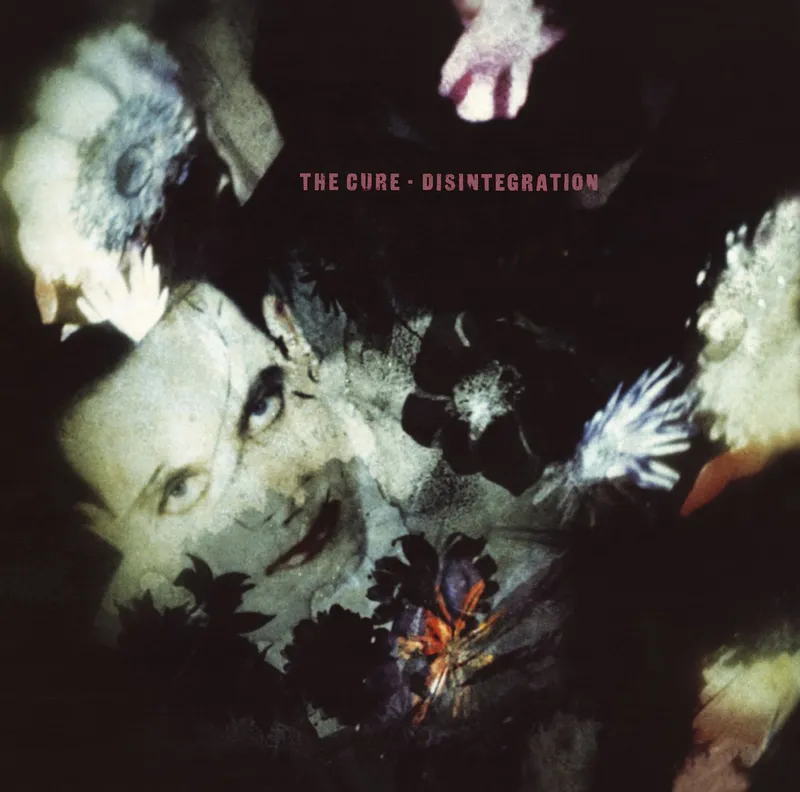
A towering, slow-motion collapse of sound unfolds across vast, shimmering sheets of keyboards and heavy, weeping basslines. This record abandons the frantic energy of the mid-eighties to build a cathedral of gothic romanticism, where patient tempos and rain-drenched atmospheres stretch each song into an immersive, cinematic experience. The production is thick and velvety, wrapping the listener in a comforting yet suffocating fog where every note feels heavy with the passage of time.
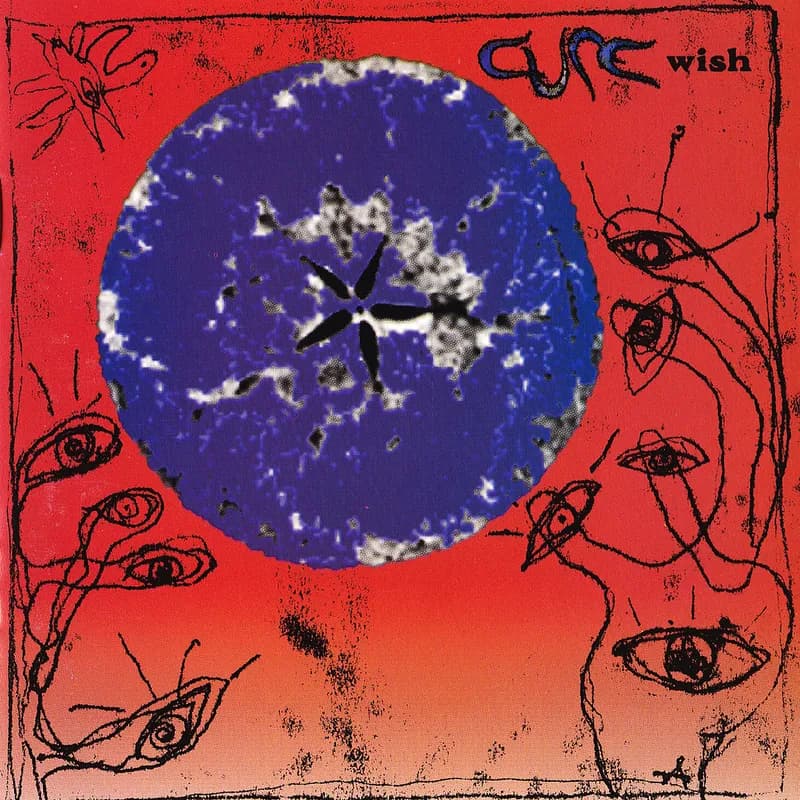
A swirling, triple-guitar density sweeps across this prismatic record, capturing a band navigating the dizzying heights of global fame while remaining deeply vulnerable. The music trades the monolithic, grey keyboards of the recent past for a watercolor-like bleed of bright, euphoric pop and feedback-laden shoegaze. It is an album of sharp contradictions, where the manic highs of new love crash directly into the crushing, static lows of their inevitable end.

A heavy, velvet darkness descends on these expansive, slow-building compositions, which trade the nervous energy of the past for a weathered, stately grace. The music stretches out into massive, cathedral-like spaces where monolithic synthesizers and shimmering guitars are allowed to breathe for minutes before a single vocal line enters. It is a grand, mournful statement that confronts mortality with a clear, intimate vocal presence floating over a deep, cold lake of cavernous reverb.
The Cure remain a vital, active force, recently breaking a sixteen-year studio silence with a starkly focused return to their signature gloom.
Rather than fading into a legacy touring act, the group has reclaimed their role as masters of patient, shadow-drenched songwriting. Their vast catalog stands as a remarkably resilient body of work, proving that a singular, uncompromising vision can navigate decades of stylistic shifts while keeping its dark, romantic heart entirely intact.
Shares reverb_heavy, layered_dense, analog_warmth (production style); late_night, rainy_day, fog (atmosphere)
Shares reverb_heavy, layered_dense, analog_warmth (production style); late_night, rainy_day, fog (atmosphere)
Shares reverb_heavy, layered_dense, analog_warmth (production style); post-punk, new wave, dream pop (subgenres)
Shares post-punk, alternative rock, dream pop (subgenres); reverb_heavy, layered_dense, analog_warmth (production style)
Shares reverb_heavy, layered_dense, analog_warmth (production style); post-punk, new wave, dream pop (subgenres)

Shares post-punk, alternative rock, dream pop (subgenres); reverb_heavy, layered_dense, analog_warmth (production style)
Shares reverb_heavy, layered_dense, analog_warmth (production style); post-punk, alternative rock, dream pop (subgenres)
Shares reverb_heavy, layered_dense, analog_warmth (production style); melancholic, brooding, wistful (moods)
Shares reverb_heavy, layered_dense, analog_warmth (production style); melancholic, wistful, haunting (moods)
Shares reverb_heavy, layered_dense, analog_warmth (production style); late_night, rainy_day, fog (atmosphere)
Shares prominent melodic basslines, lush, chorus-drenched guitar leads, new wave (detail)
Shares chorus-drenched guitar leads, new wave, post-punk, dream pop (detail)
Cassette uses generative AI to enrich its catalog. How we use AI →