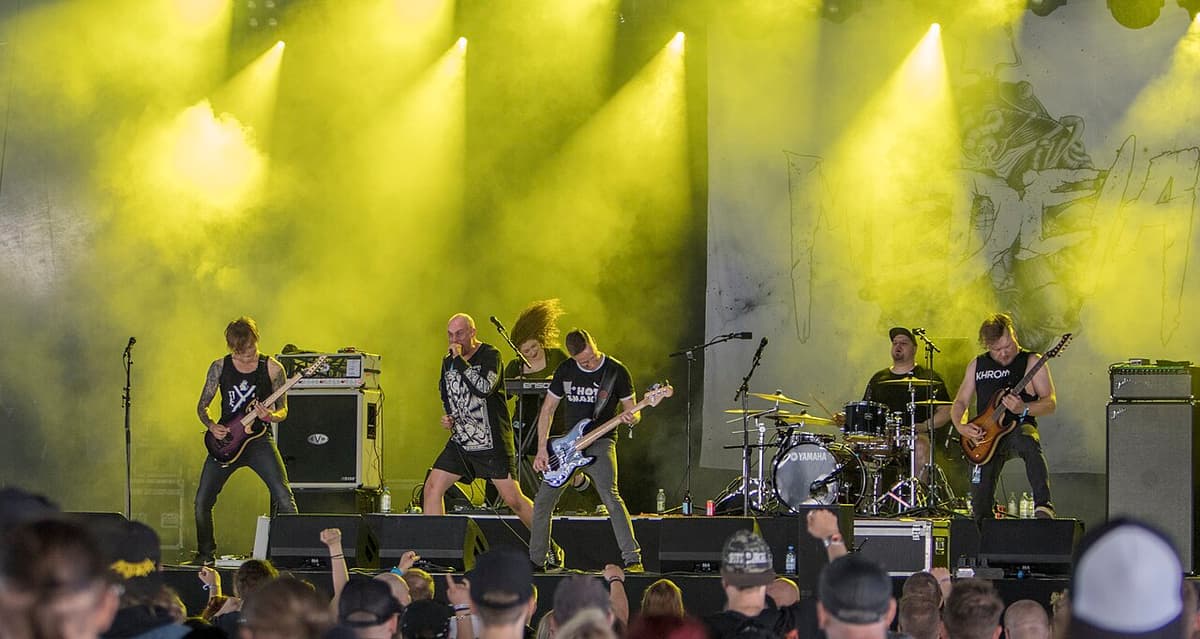
This is the sound of precision-engineered aggression. Through the Eyes of the Dead occupies that volatile space where the technicality of death metal meets the rhythmic weight of hardcore. It is characterized by a relentless forward momentum, driven by double-kick drumming that feels like a physical assault and guitars that alternate between buzzsaw riffs and surprisingly elegant, harmonized melodies reminiscent of the Gothenburg scene.
What sets them apart is their structural discipline. While many of their contemporaries leaned into chaotic noise, this band maintains a clear, punchy production style that highlights the interplay between the two guitarists. Their breakdowns are not just pauses for effect; they are heavy, calculated shifts in gravity that feel earned by the speed that precedes them. The vocal delivery is a masterclass in range, shifting from cavernous lows to piercing, desperate highs.
If you are looking for a starting point, Bloodlust is the definitive document of their sound. It captures the mid-2000s transition from metalcore into more extreme territory perfectly. It is music for moments that require maximum output, whether you are hitting a personal record in the gym or simply need to drown out the world with something undeniably powerful.
Through the Eyes of the Dead is an American death metal band from Florence, South Carolina, formed in 2003. They have released four studio albums, one EP and one split album with The Knife Trade.


Shares deathcore, melodic death metal, death metal, thunderstorm (signature)
Shares melodic death metal, death metal, intense, thunderstorm (subgenre)
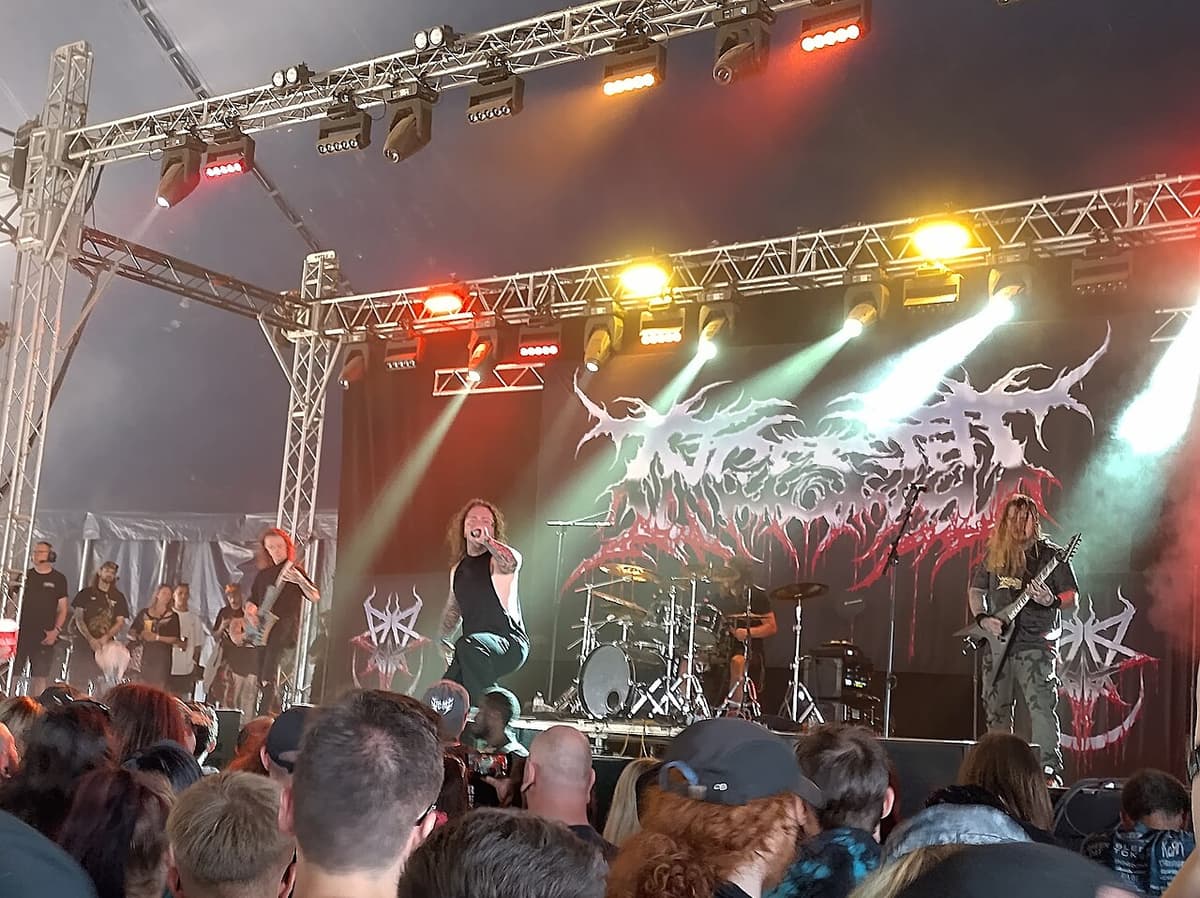
Shares deathcore, melodic death metal, death metal, thunderstorm (signature)
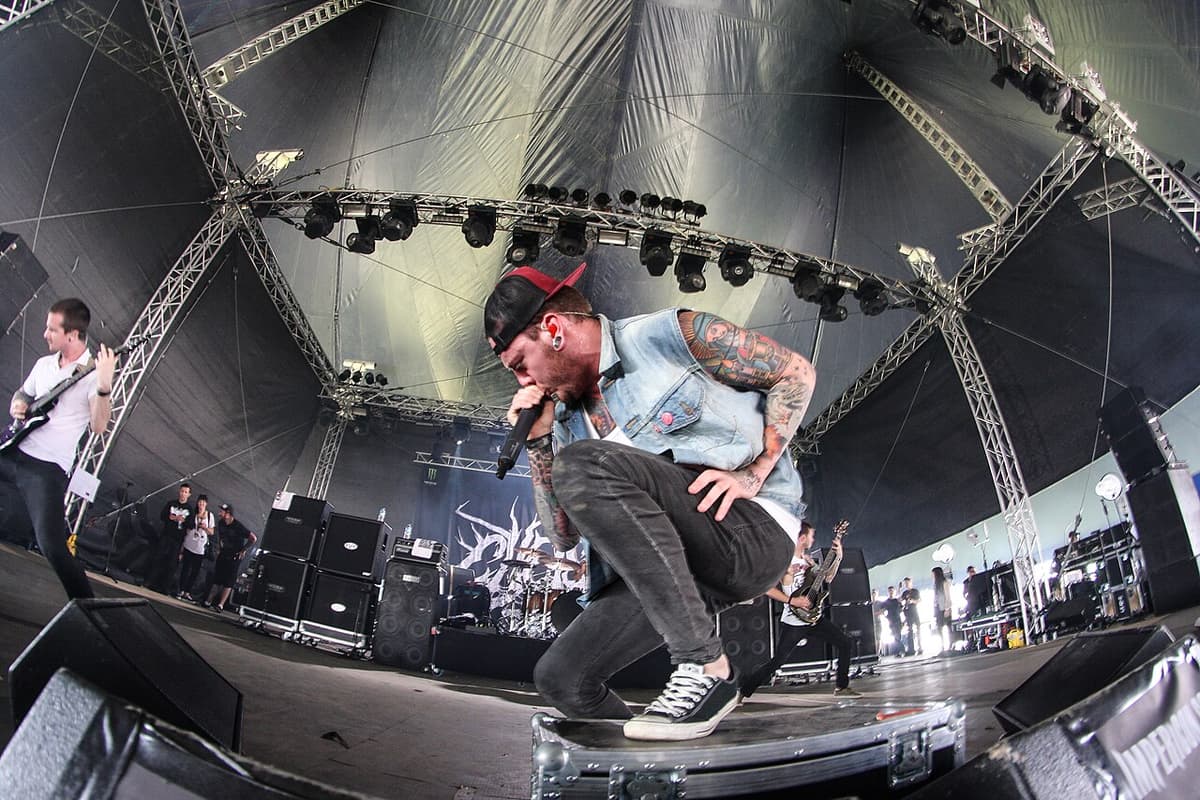
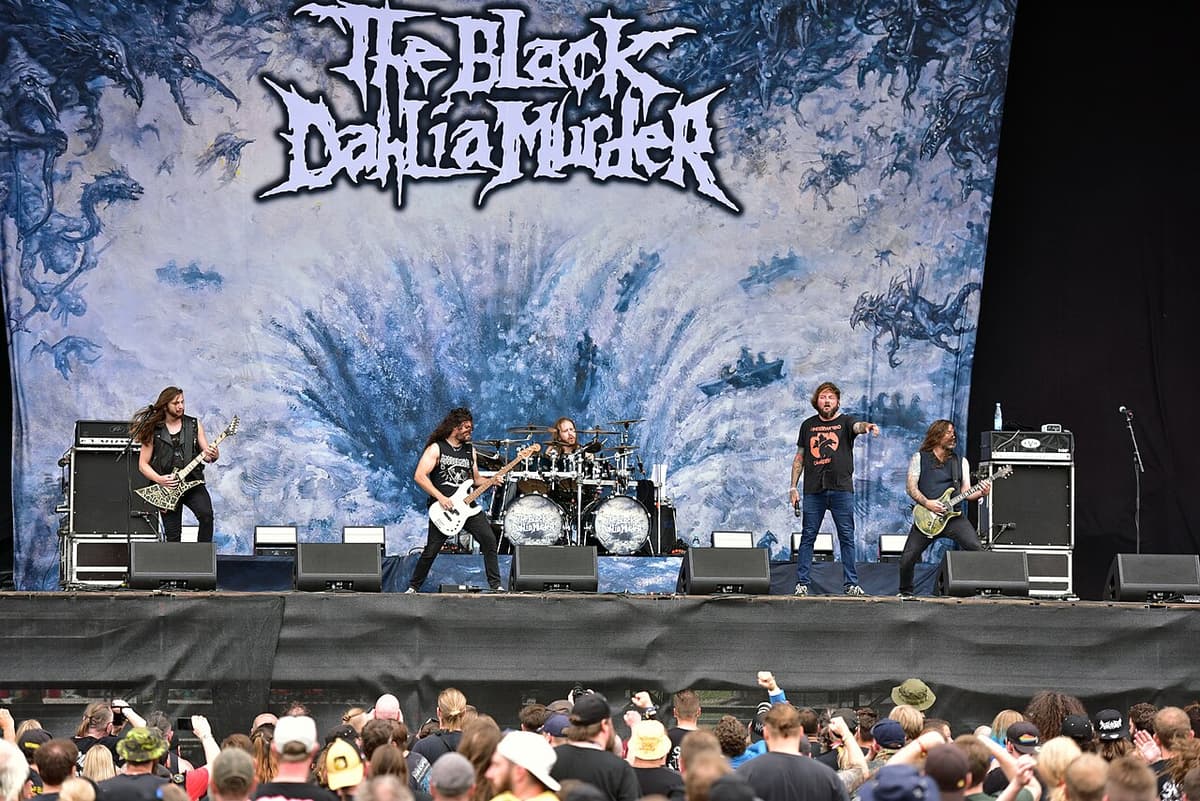
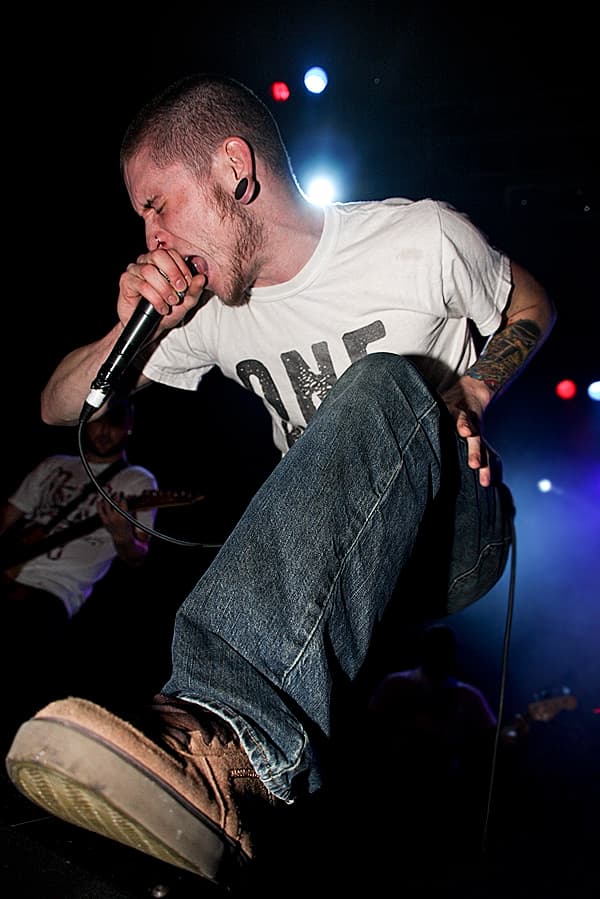
Shares deathcore, melodic death metal, death metal, thunderstorm (signature)
Shares melodic death metal, death metal, intense, thunderstorm (subgenre)
Cassette uses generative AI to enrich its catalog. How we use AI →