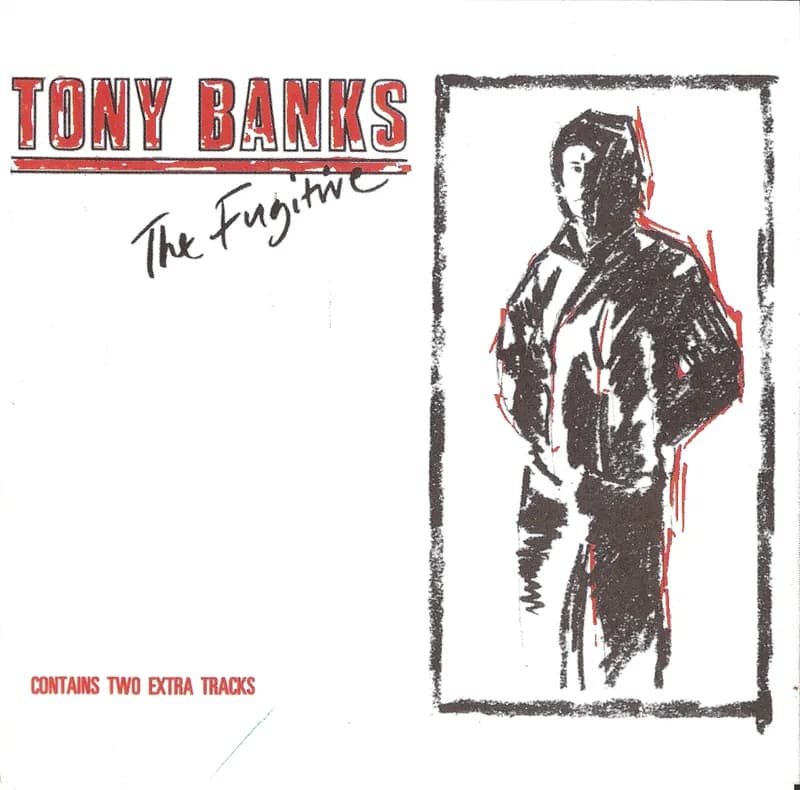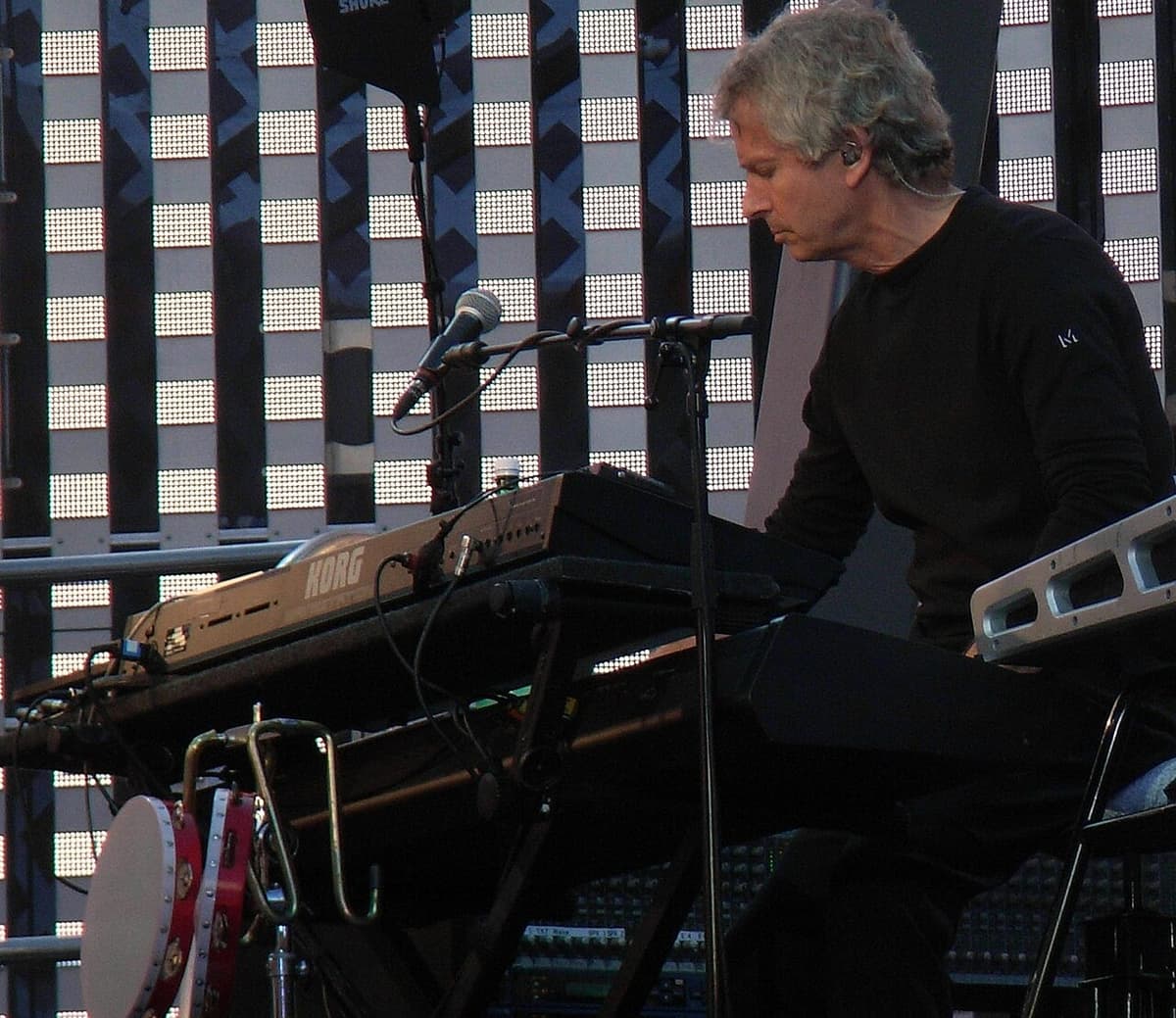
Tony Banks
Intricate keyboard tapestries and grand orchestral suites. Sophisticated, harmonically rich music for deep focus and quiet reflection.
Intricate keyboard tapestries and grand orchestral suites. Sophisticated, harmonically rich music for deep focus and quiet reflection.
Tony Banks creates music that feels like a master architect designing a cathedral. It is grand, structured, and deeply layered, favoring complex harmonic shifts over simple melodies. Whether he is working with vintage synthesizers or a full symphony orchestra, there is a consistent sense of intellectual curiosity and emotional restraint. His sound is lush and expansive, yet it retains a certain English reserve that makes the moments of melodic payoff feel earned.
What distinguishes Banks is his refusal to follow standard pop or rock structures. He treats the keyboard as a lead orchestral voice, building dense walls of sound that modulate through unexpected keys. His work often carries a pastoral, slightly melancholic quality, evoking the rolling hills and grey skies of the British countryside. It is music that demands your full attention, rewarding the listener who enjoys untangling intricate musical threads.
Start with 'A Curious Feeling' to hear his peak progressive rock sensibilities, where his signature keyboard textures are at their most evocative. For those interested in his later evolution, his orchestral suites like 'Five' showcase his ability to translate rock complexity into a purely classical language. It is the perfect catalog for fans of Genesis who want to hear the band's harmonic engine room in its purest form.
Anthony George Banks (born 27 March 1950) is an English musician primarily known as the keyboardist and founding member of the rock band Genesis. Banks is also a prolific solo artist, releasing six solo studio albums that range through progressive rock, pop, and classical music. Banks co-founded Genesis in 1967 while studying at Charterhouse. He was their keyboardist and one of their principal songwriters and lyricists. He became a frequent user of the Hammond T-102 organ, Mellotron, ARP Pro Soloist and Yamaha CP-70 piano. In the band's earliest years Banks would play acoustic guitar for some of the mellow and pastoral songs. In 2010, Banks was inducted into the Rock and Roll Hall of Fame as a member of Genesis. In 2011, he was included on MusicRadar's list of the 27 greatest keyboard players of all time. In 2015, he was named "Prog God" at the Progressive Music Awards.
Shares progressive rock, art rock, symphonic metal (subgenres); contemplative, melancholic, mysterious (moods)
Shares progressive rock, art rock, symphonic metal (subgenres); orchestral arrangement, layered dense, analog warmth (production style)
Shares progressive rock, art rock, neoclassical (subgenres); contemplative, melancholic, triumphant (moods)
Shares progressive rock, art rock, pop rock (subgenres); orchestral arrangement, layered dense, analog warmth (production style)
Shares contemplative, melancholic, mysterious (moods); progressive rock, art rock, symphonic metal (subgenres)
Shares progressive rock, art rock, symphonic metal (subgenres); contemplative, melancholic, mysterious (moods)
Shares progressive rock, art rock (subgenres); contemplative, melancholic, mysterious (moods)
Shares progressive rock, art rock, neoclassical (subgenres); contemplative, wistful, melancholic (moods)
Shares orchestral arrangement, layered dense, analog warmth (production style); progressive rock, art rock (subgenres)
Shares progressive rock, art rock, symphonic metal (subgenres); contemplative, melancholic, mysterious (moods)
Shares contemplative, symphonic metal, organ, progressive rock (signature)
Shares neoclassical, progressive rock, library, autumn walk (subgenre)
Cassette uses generative AI to enrich its catalog. How we use AI →