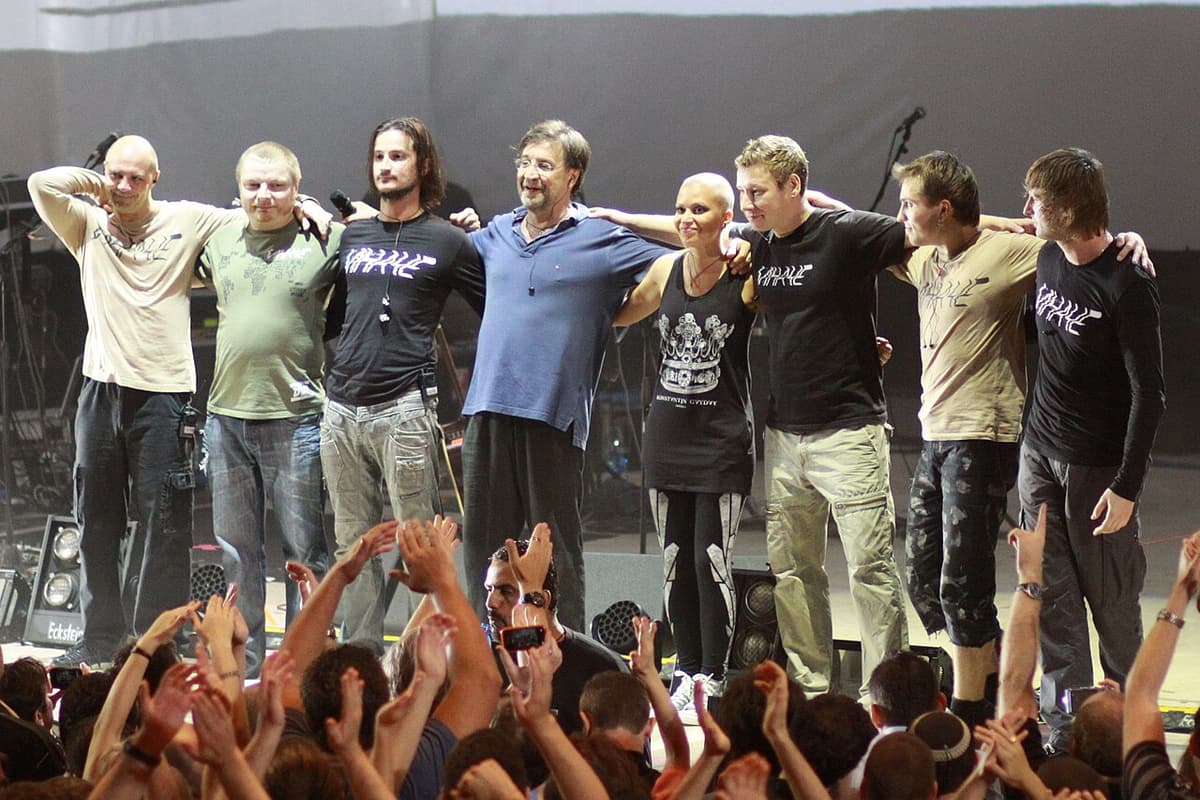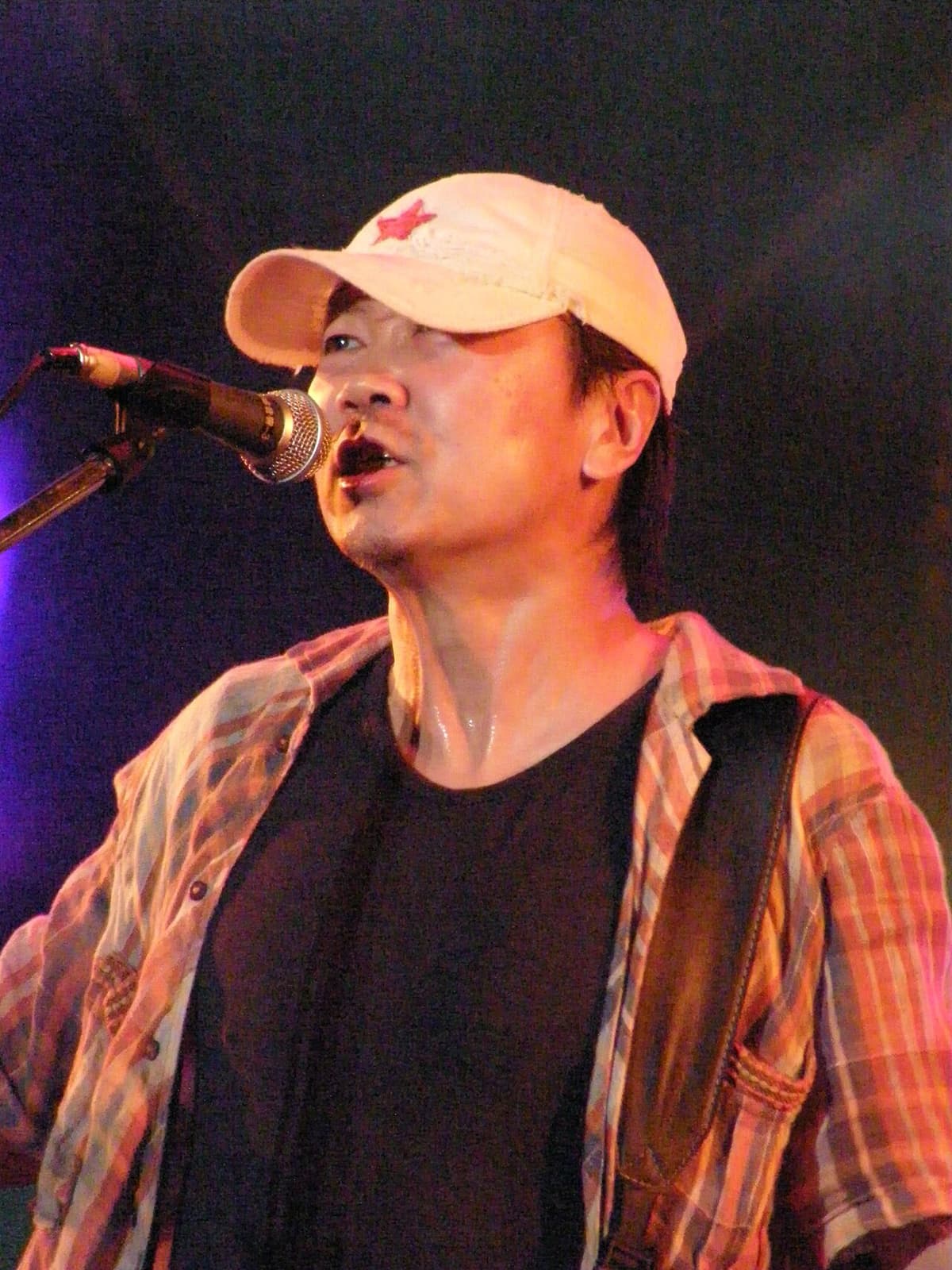
崔健
Gritty, defiant rock that pairs a raspy Beijing growl with soulful trumpet and traditional folk roots. The sound of a generation finding its voice in the dark.
Gritty, defiant rock that pairs a raspy Beijing growl with soulful trumpet and traditional folk roots. The sound of a generation finding its voice in the dark.
Cui Jian is the foundational figure of Chinese rock (Yaogun), emerging in the mid-1980s as a countercultural icon. His sound identity is built on a fusion of Western rock instrumentation, jazz-influenced brass, and North Chinese folk traditions like xintianyou.
Historically, his 1986 performance of 'Nothing to My Name' is cited as the birth of the genre, moving away from the polished 'Cantopop' and state-sanctioned 'Northwest Wind' styles toward a gritty, individualistic expression. His career arc moved from the Beatles-influenced soft rock of Seven Ply Board to the sophisticated, jazz-rap experimentalism of 'The Power of the Powerless.' Culturally, he served as the 'spokesperson for a generation' during the social upheavals of the late 80s, leading to long periods of performance bans in Beijing. Critical consensus views him as a master of rhythmizing the Chinese language, using a guttural, proletarian vocal style to challenge linguistic and social norms. His influence is pervasive, seen in the works of Dou Wei and the intellectual rock of Omnipotent Youth Society.
Shares analog_warmth, live_recording, layered_dense (production style); defiant, brooding, urgent (moods)
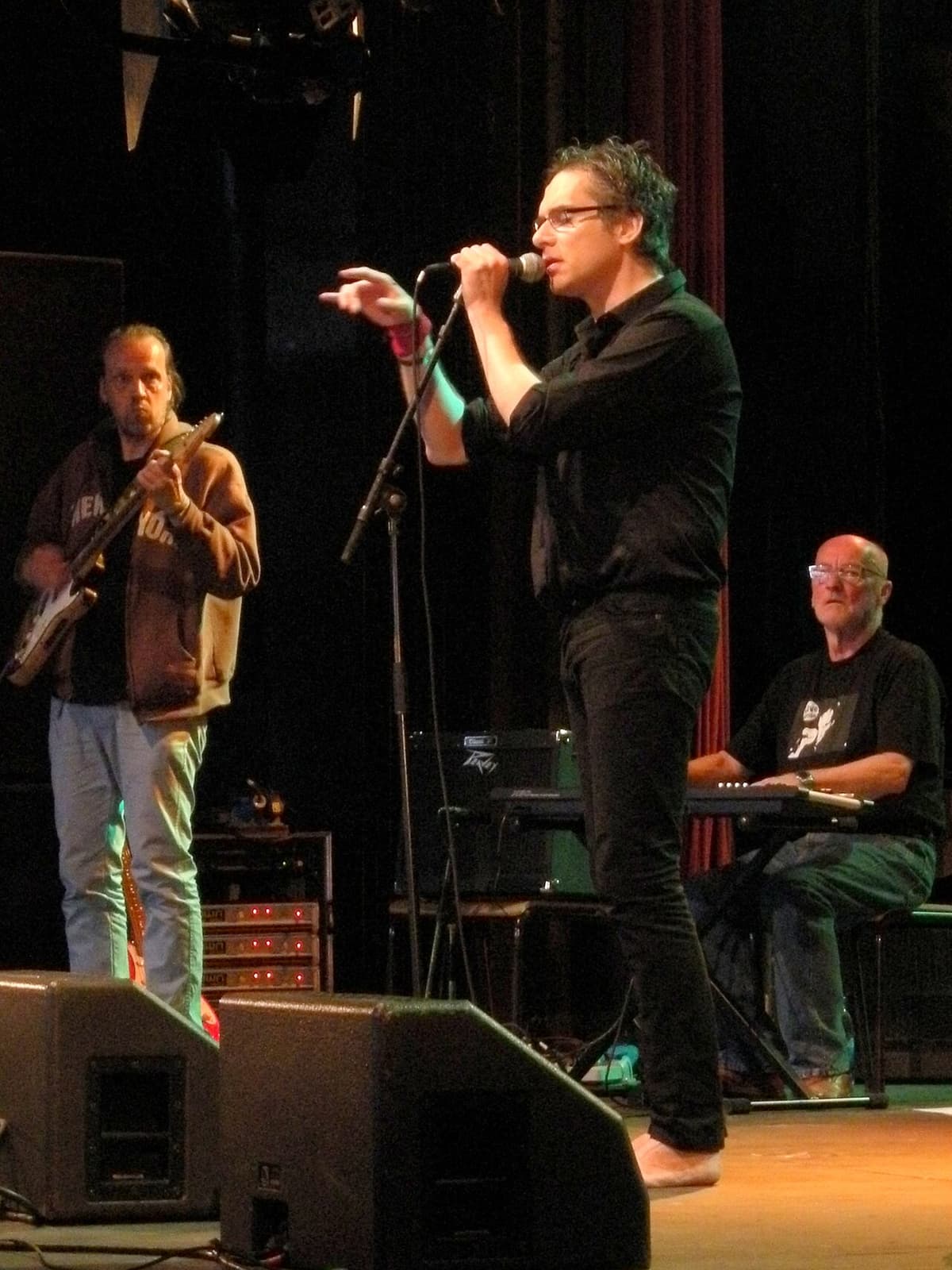
Shares alternative rock, folk rock, art rock (subgenres); live_recording, analog_warmth (production style)

Shares alternative rock, folk rock, art rock (subgenres); analog_warmth, layered_dense, live_recording (production style)

Shares analog_warmth, live_recording, layered_dense (production style); alternative rock, folk rock (subgenres)
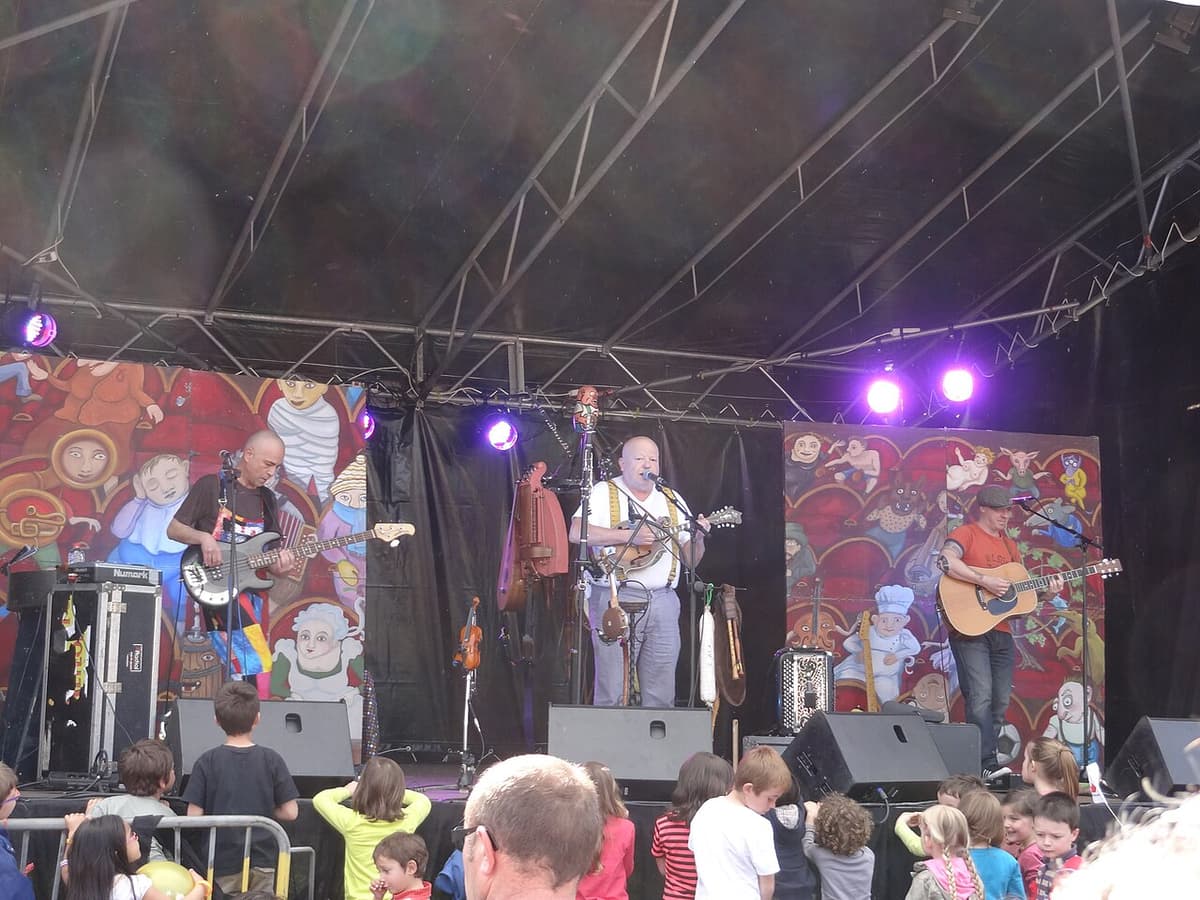
Shares analog_warmth, live_recording, layered_dense (production style); alternative rock, folk rock, art rock (subgenres)
Cassette uses generative AI to enrich its catalog. How we use AI →