Element represents a common challenge in digital music taxonomy, as the name has been used by over a dozen distinct projects globally. The most prominent entity associated with this profile is the San Diego-based technical death metal band formed in 2004.
Their sound is characterized by the high-fidelity, compressed production style typical of the mid-2000s brutal death metal scene, specifically the 'Brutal Bands' label aesthetic. Musically, they lean into the technicality of peers like The Faceless or Kronos, utilizing rapid-fire blast beats and complex, dissonant guitar work. Other notable iterations of the name include a Polish death metal act with a more cybernetic/industrial lean and a Northern Irish post-hardcore group that eventually became In Case of Fire. This specific profile focuses on the metal lineage, which maintains a critical consensus as a solid, if niche, contributor to the technical death metal explosion of the late 2000s. Their work often explores existential and technological themes, mirroring the mechanical precision of their instrumentation.
Shares technical death metal, metallic, death metal, explosive_bursts (signature)
Shares technical death metal, death metal, explosive_bursts, progressive metal (signature)
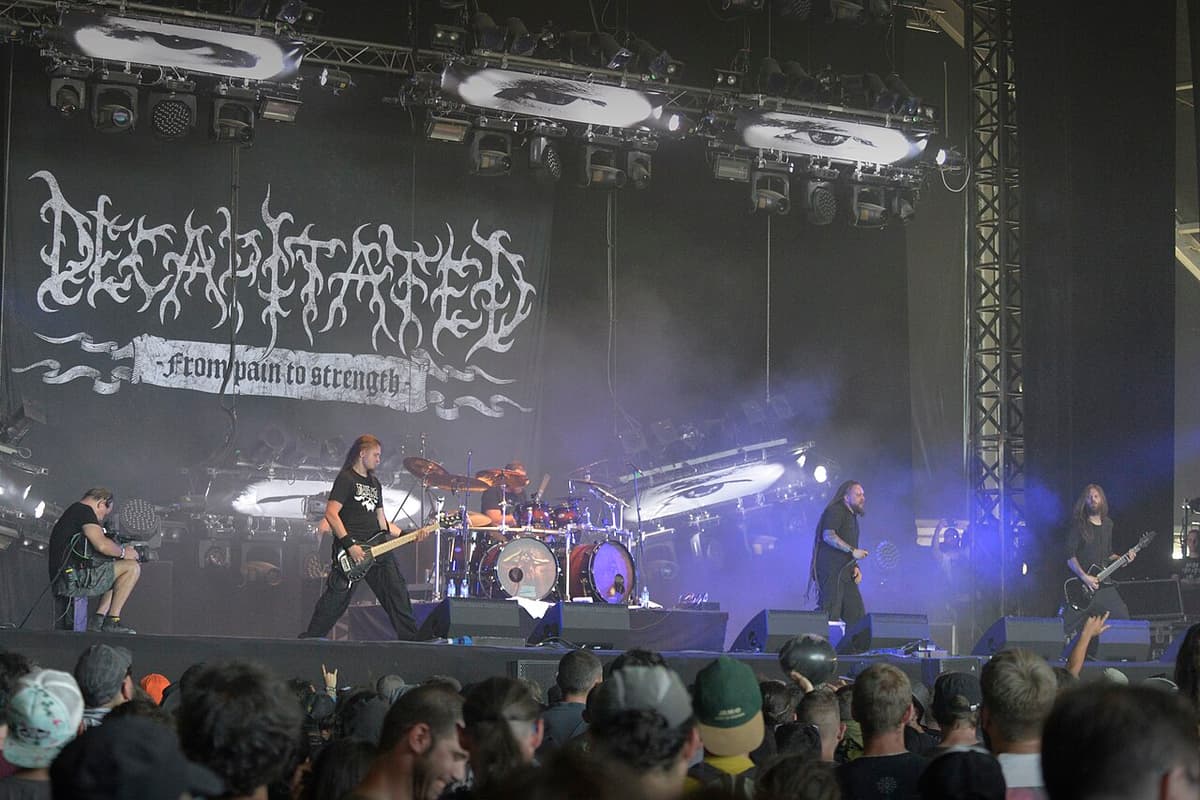
Shares hyper-speed blast beats, technical death metal, death metal, explosive_bursts (detail)
Shares technical death metal, metallic, explosive_bursts, progressive metal (signature)
Shares technical death metal, death metal, progressive metal, gravelly (signature)
Shares technical death metal, industrial metal, explosive_bursts, gravelly (signature)
Shares surgical drum precision, technical death metal, death metal, explosive_bursts (detail)
Shares technical death metal, death metal, explosive_bursts, gravelly (signature)
Shares death metal, explosive_bursts, gravelly, screaming (subgenre)
Cassette uses generative AI to enrich its catalog. How we use AI →