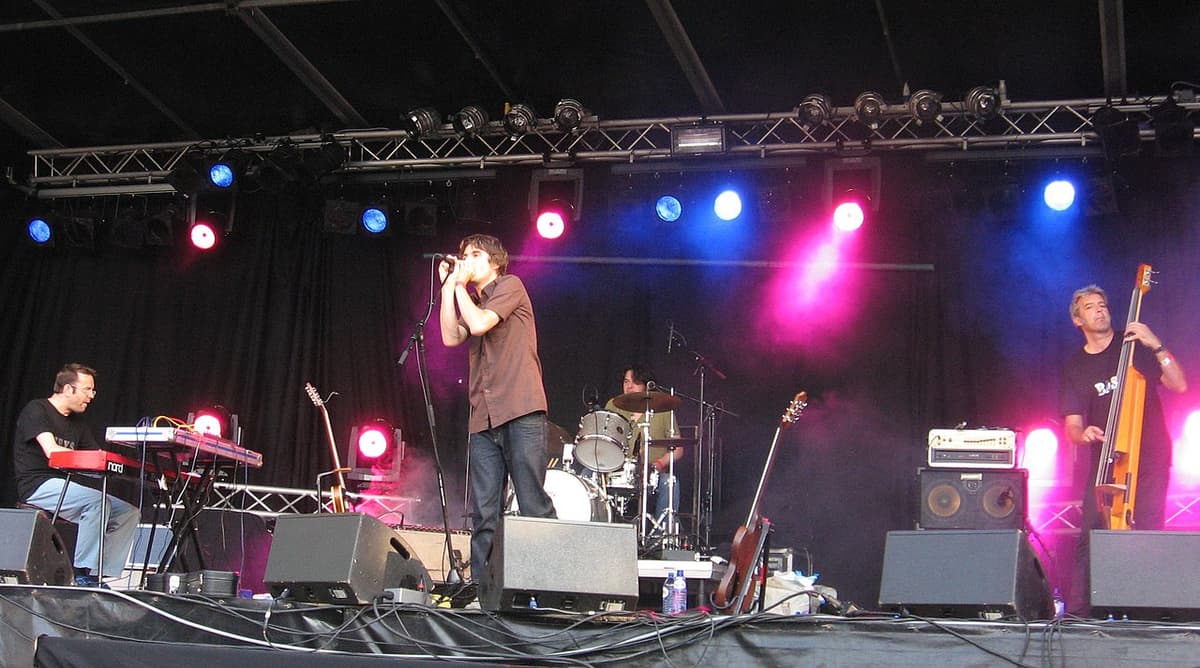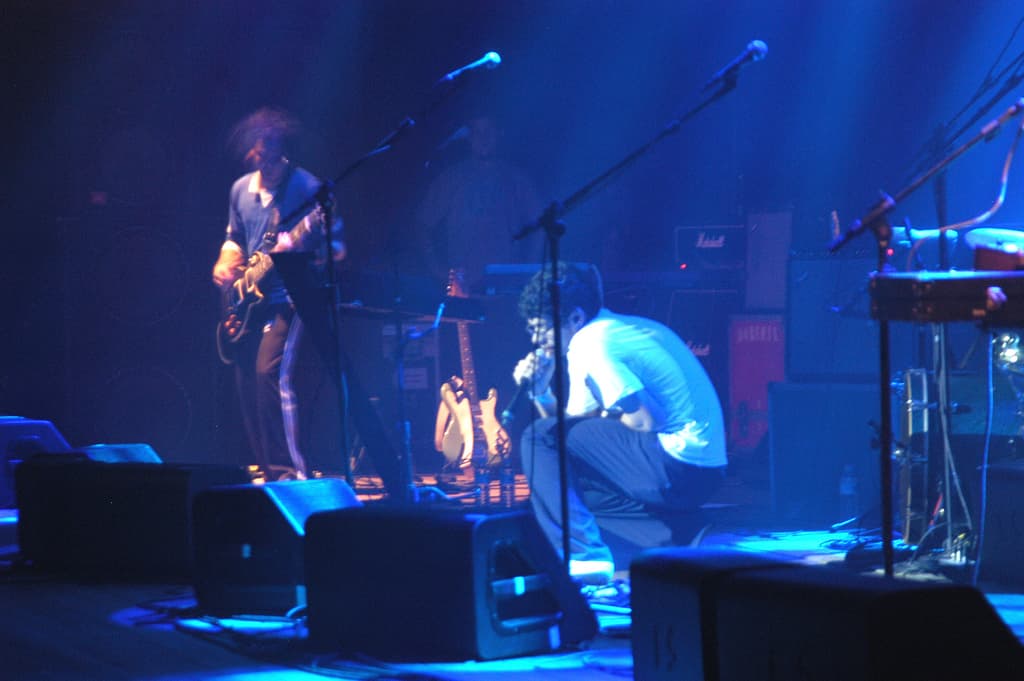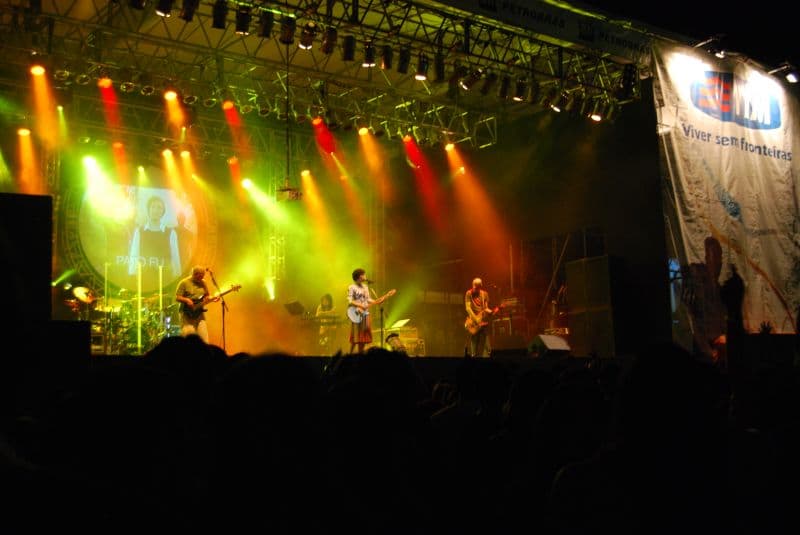
Pato Fu
Playful art-pop that pairs breathy, intimate vocals with toy instruments and glitchy electronics. A whimsical, brainy take on Brazilian indie rock.
Playful art-pop that pairs breathy, intimate vocals with toy instruments and glitchy electronics. A whimsical, brainy take on Brazilian indie rock.
Pato Fu sounds like a high-tech laboratory inside a childhood playroom. Their music is defined by the contrast between Fernanda Takai's whisper-soft, bossa-influenced vocals and John Ulhoa's restless, inventive production. It is bright and melodic on the surface, but underneath lies a dense layer of electronic experimentation, ranging from 8-bit chirps to lush, orchestral synth-pop.
What makes them truly distinctive is their 'toy instrument' philosophy, most famously realized on their Música de Brinquedo project. They treat plastic kazoos and miniature keyboards with the same reverence as a Stradivarius, creating a sound that is simultaneously avant-garde and deeply accessible. They bridge the gap between the 1960s Tropicalia movement's radicalism and the polished indie-pop of the 21st century.
Start with the album 'Isopor' for a perfect entry into their electronic-pop peak, or 'Gol de Quem?' if you prefer a more guitar-driven, 90s alternative sound. For something truly unique, 'Música de Brinquedo' offers a masterclass in how to turn literal playthings into high art.
Pato Fu is a Brazilian indie rock band from Belo Horizonte, Minas Gerais. The band was formed by lead singer & rhythm guitarist Fernanda Takai, lead guitarist John Ulhoa, and bassist Ricardo Koctus, in September 1992. Long-time drummer Xande Tamietti left the band in 2014, being replaced by Glauco Nastácia; keyboardist Richard Neves replaced [Lulu Camargo in 2016. The band is also famous for their 2010 album Música de Brinquedo, which was written using only toy instruments. It was at one point included with U2 and Radiohead in a list of the 10 best bands in the world, according to Time magazine.
Shares indie rock, art pop, alternative rock (subgenres); layered dense, digital clarity, studio polished (production style)
Shares playful, wistful, contemplative (moods); digital clarity, layered dense, studio polished (production style)
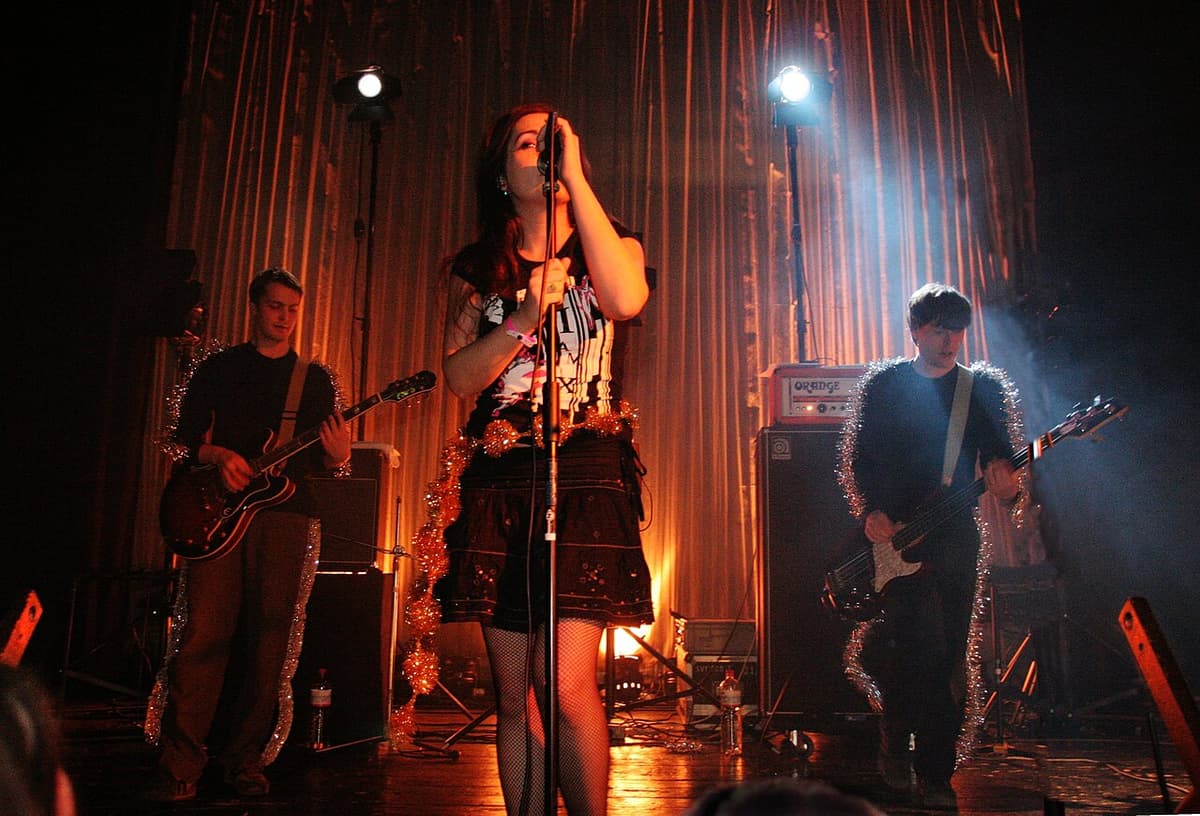
Shares indie rock, art pop, alternative rock (subgenres); studio polished, layered dense, digital clarity (production style)

Shares indie rock, art pop, alternative rock (subgenres); studio polished, layered dense, digital clarity (production style)
Shares art pop, alternative rock, synth-pop (subgenres); studio polished, layered dense, digital clarity (production style)
Shares indie rock, art pop, synth-pop (subgenres); breathy, gentle, deadpan (vocal style)
Shares breathy, art pop, indie rock, synth-pop (signature)
Cassette uses generative AI to enrich its catalog. How we use AI →