The Cry is a notable entity within the 1980s and 90s alternative and Christian rock scenes, primarily associated with the San Diego and Austin musical hubs. Their sound identity is built upon the foundations of jangle pop and new wave, characterized by clean electric guitar textures, melodic basslines, and the frequent use of harmonica as a lead instrument.
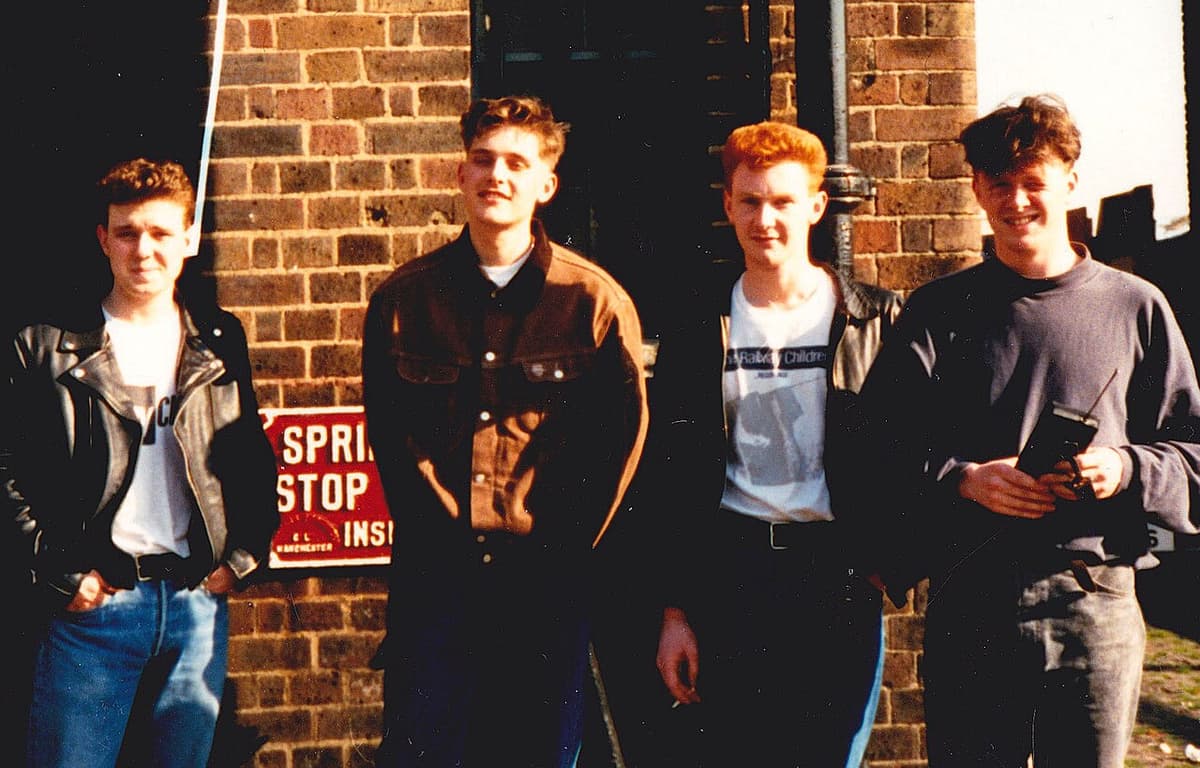
Historically, they represent a bridge between the secular indie-pop movements (typified by artists like Orange Juice or The Railway Children) and the emerging contemporary Christian music (CCM) market, though they maintained a sonic palette that appealed to college radio listeners. Their career arc shows a remarkable longevity, with significant releases spanning from 1984 to a resurgence in the 2020s. Critical consensus often highlights their ability to craft sophisticated pop songs that remain accessible without sacrificing musicality. They are frequently cited by collectors of 'lost' 80s jangle and power pop, particularly for their early work which aligns with the aesthetic of the UK's Sarah Records or Postcard Records movements, despite their American origins.


Shares alternative rock, new wave, indie pop (subgenres); analog_warmth, crisp_clean, reverb_heavy (production style)
Shares nostalgic, wistful, hopeful (moods); alternative rock, indie pop, power pop (subgenres)
Shares nostalgic, wistful, hopeful (moods); analog_warmth, crisp_clean, layered_dense (production style)
Shares nostalgic, wistful, hopeful (moods); gentle, harmonized, crooning (vocal style)
Shares nostalgic, wistful, hopeful (moods); gentle, harmonized, crooning (vocal style)
Shares nostalgic, wistful, hopeful (moods); gentle, harmonized, crooning (vocal style)
Cassette uses generative AI to enrich its catalog. How we use AI →